

You spot a few raised bumps while watering and the stomach drops a little. On succulents, that first look can be misleading. Old corking, edema scars, healed sun stress, and live scale can all sit in the same visual neighborhood, especially on cacti, aloe, agave, and older woody stems.
The first job is to identify what you are seeing.
That sounds slower than reaching for alcohol or insecticidal soap, but it saves plants. I have seen growers scrub harmless corking off an older cactus and leave permanent marks. I have also seen scale dismissed as cosmetic damage until it spread into leaf axils, under spines, and onto nearby pots.
Succulents add one more complication. Treatment that works well on a smooth jade or sturdy aloe can scar a farina-coated echeveria, mark a glaucous pachyphytum, or sit too long in the crown of a tightly stacked rosette. Good control starts with a correct ID, then a method that matches the plant in front of you.
The good news is that scale can usually be brought under control without panic. A calm process works best. Confirm whether the bumps are insects or normal plant tissue, remove what you can, choose a treatment the plant can tolerate, and keep it isolated long enough to catch any survivors.
That Sinking Feeling Discovering Bumps on Your Plant
You are halfway through watering, the light hits a stem the wrong way, and suddenly those little bumps look suspicious. On succulents, that moment matters because scale often passes for normal wear. A patch of corking on an older cactus, edema scarring on a jade, or a dry scar from past sun stress can all look close enough to fool a careful grower at first glance.
I see the same mistake in collections all the time. Someone assumes the marks are cosmetic, puts the plant back on the bench, and only looks harder once growth slows or nearby plants start showing the same specks. Scale gets a head start that way.
What makes this pest frustrating is how well it matches the plant. On aloe and agave, it can sit along leaf bases and ridges. On cacti, it disappears between ribs and under spines. On glaucous or farina-coated succulents, the problem can be even harder to read because growers are rightly hesitant to touch the surface and risk rubbing off that protective bloom. If the bumps are mealybugs or another soft-bodied pest, our guide to white fuzz on cactus and how to tell it apart helps with that comparison.
Why this pest deserves attention
Scale feeds slowly, but the plant pays for it over time. A mild case can look harmless for weeks while the succulent loses vigor, colors unevenly, or starts producing smaller, weaker new growth. Some species also leave honeydew, which can lead to a sticky surface and dark sooty mold.
That slow pace is exactly why growers miss it.
General pest references, including FullScope Pest Control on plant pests, treat scale as one of the common ornamental problems because it often stays unnoticed until decline is obvious. In succulent growing, the bigger risk is misreading the first signs. Scraping harmless corking off a plant does damage. Ignoring attached live scale does damage too.
The right response is to pause and inspect before treating. On sturdy plants, that may mean testing whether a bump lifts cleanly with a fingernail or cotton swab. On delicate rosettes, fuzzy-leaved species, or farina-coated plants, use a lighter hand and better light first. Correct diagnosis comes before cleanup, especially when the treatment itself can mark the plant.
How to Correctly Identify Scale on Succulents
A lot of treatment mistakes start here. Growers see raised spots, assume the worst, and start scraping or spraying before they know whether those bumps are pests or normal plant scarring.

On succulents, that can create a second problem. Scale often hides in protected spots, but harmless blemishes can look suspicious too. I see this most often on older cacti with corking, on jade leaves with edema scars, and on farina-coated rosettes where even a gentle rub leaves permanent marks. Good identification saves the plant from both the pest and unnecessary handling.
Leaf placement matters. So does texture.
What live scale usually looks like
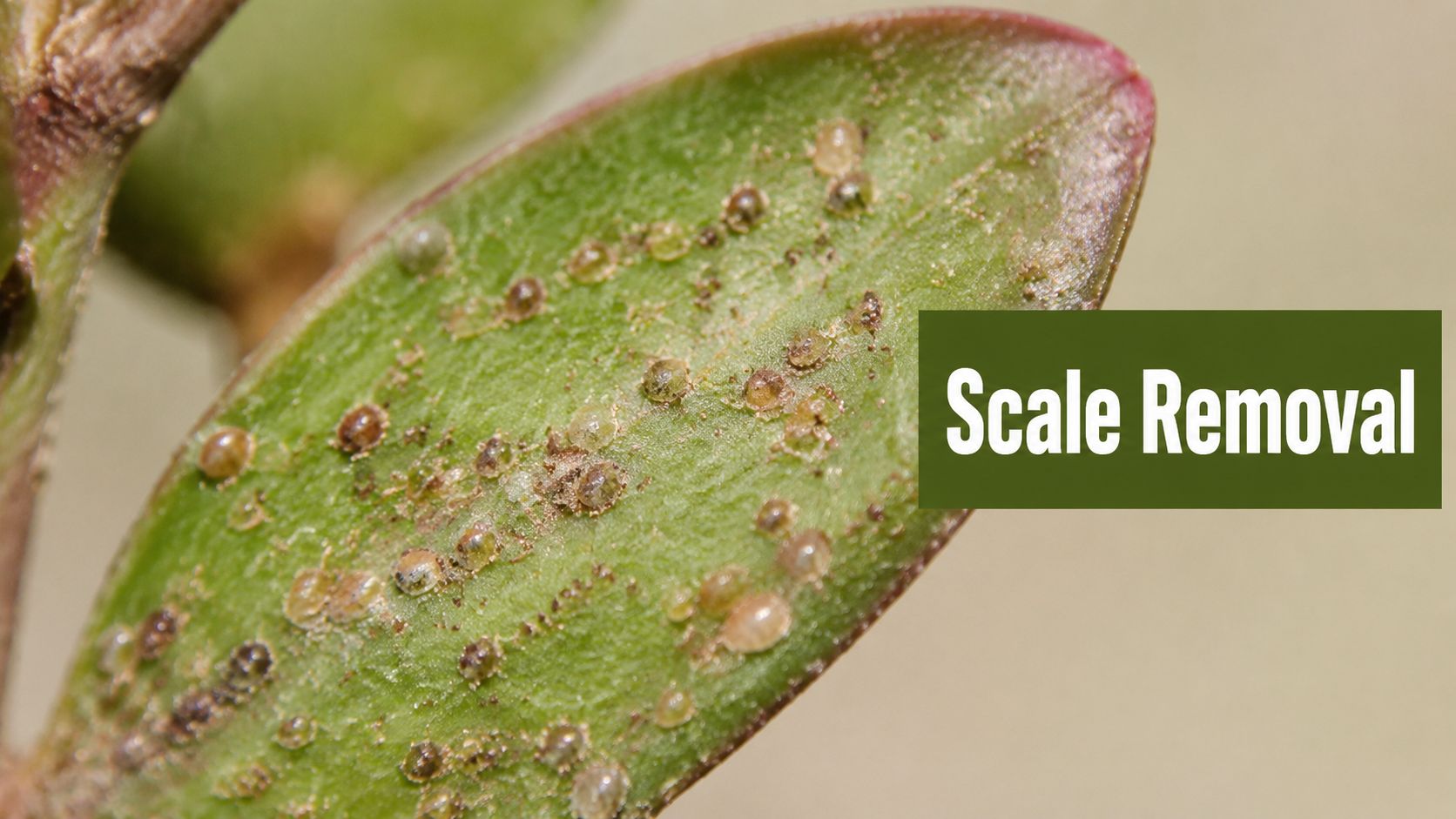
Live scale has a distinct look once you know what to check.
- Raised, attached bumps: Usually tan, brown, gray, or slightly translucent.
- A shell-like surface: The bump looks fixed onto the plant rather than grown from within the tissue.
- Protected placement: Scale gathers in leaf axils, under lower leaves, around areoles, along ribs, and near old scars.
- Patchy distribution: The plant surface looks interrupted by separate bumps, not evenly rough or naturally aged.
A major diagnostic problem is old damage after a scale infestation. Once scale is removed, the plant may keep a pale spot, a rough scar, or a tiny pit. That leftover mark is not the insect. It is the feeding site.
Leaf and Clay points out the same hiding behavior in this succulent pest guide from Leaf and Clay, especially in crevices and sheltered parts of the plant where casual checks miss them.
What scale is often mistaken for
Most false alarms fall into four categories.
Corking
Corking is part of the plant. It looks dry, rough, and fused into the skin. On many cacti, it starts low on the stem or on older sections and spreads in a broad, steady pattern. It does not lift like a separate cap.
Edema
Edema leaves blisters, scabs, or tan scars from water imbalance. The surface may look ugly, but the mark is embedded in the leaf. On jade and other soft-leaved succulents, edema is commonly mistaken for scale because the spots can be round and raised.
Callus or healed scars
A callus forms after damage. It may be discolored, cracked, or slightly raised, but it behaves like plant tissue because it is plant tissue. If the spot blends into the skin around it, suspect scarring before pests.
Mealybugs
Mealybugs are softer and usually show white cottony material. If the problem looks more like fluff or wax than a hard shell, use this guide to tell white fuzz on cactus from mealybugs and other issues.
For a broader overview of chewing and sucking pests that show up on ornamentals, FullScope Pest Control on plant pests is a useful companion read.
Use the scrape test carefully
The scrape test works, but the plant decides how aggressive you can be.
On a tough jade, agave, or older columnar cactus, gently nudging the edge of one suspicious bump with a fingernail, wooden toothpick, or cotton swab is usually safe. If the bump lifts off like a tiny shell, folds, or reveals a small scar underneath, scale is likely present.
On powdery echeverias, graptoverias, and other farina-coated succulents, skip the fingernail test on visible surfaces if you can. Disturbing the bloom leaves a permanent fingerprint. Check hidden areas first, such as under the lowest leaves or near the stem. On fuzzy succulents, use magnification and side lighting before touching anything, because rubbing the leaf can bruise hairs and create damage that looks like pest injury later.
One careful test spot is enough.
Where to inspect first
Start with the places scale prefers to stay unnoticed:
- Leaf axils on aloe, haworthia, and agave
- Under lower leaves on rosette succulents
- Ribs and areoles on cacti
- Stem joints and branch crotches on euphorbia
- Plants that recently arrived, were repotted, or came home from a nursery
If the bump behaves like a separate object and keeps appearing in sheltered spots, treat it as active scale. If it stays fixed as part of the skin, follows the plant's aging pattern, or appears as broad scarring rather than discrete shells, you are probably looking at corking, edema, or healed damage instead.
Your Action Plan for Eliminating Scale Insects
You found bumps that lift like shells, and now the job is to remove the insects without creating a second problem by scarring the plant.
The most reliable approach in a real collection is layered treatment. Separate the plant, knock down the visible population by hand, then use a contact product with enough coverage to reach the places scale hides. LSU AgCenter notes that horticultural oil only works where it lands, and that follow-up applications are usually needed, as explained in this LSU guide to scale control.

Start with separation
Move the plant away from the rest of the collection before treatment starts. A sink, porch table, bright bathroom window, or spare shelf all work if you can inspect the plant easily and keep it stable.
Wash your hands and swap or clean tools before touching healthy plants. Scale often spreads because growers do the cleanup correctly, then carry crawlers to the next pot on a swab, brush, or sleeve.
Match the method to the plant
Treatment choice depends on the succulent in front of you. Thick-leaved jade, agave, and many older cacti tolerate more handling. Farina-coated echeverias, graptoverias, and soft blue rosettes do not. A ribbed cactus also needs more deliberate coverage than a flat-leaved plant because scale can sit deep in grooves and around areoles where a quick spray never reaches.
Manual removal
Use this first on light infestations and on any plant where you want control over each contact point.
A cotton swab lightly moistened with isopropyl alcohol works well on tougher plants. A soft artist's brush is better for cactus ribs, spines, tight branch unions, and plants where a swab snags. Dab, roll, or lift. Do not scrub. On delicate succulents, the pressure of your hand often causes more cosmetic damage than the insect itself.
If the infestation is centered on aloe leaf bases or tight axils, work one pocket at a time. Growers dealing with stress and pest issues together may also find our guide on how to save an aloe plant useful, especially when the plant is already weakened.
Insecticidal soap or horticultural oil
Use these after manual cleanup, not instead of it.
Both are contact treatments. Coverage decides the result. Spray into leaf axils, under lower leaves, along stem creases, around areoles, and into branch crotches. If you miss those sheltered spots, scale survives and the plant looks reinfested a week or two later.
Horticultural oil is often effective on tougher succulents with firm skin and fewer cosmetic concerns. Insecticidal soap can be a better first spray on plants where oil residue or shine would be undesirable. Either one can mark sensitive foliage, so test a small hidden area first and avoid treating a heat-stressed plant in strong sun.
Before choosing sprays for a home with animals around treated plants and application areas, general guidance on keeping pets safe from Miami pests is a sensible reminder to read labels carefully and keep pets away until products have been used as directed and the area is safe.
Systemic insecticides
Use these for repeat infestations, crowded collections, or plant structures that make full surface coverage unrealistic.
Systemics are a heavier intervention. They can make sense when scale keeps returning from protected crevices or when a large specimen is too complex to treat well with contact methods alone. They are not my first choice for every plant, but they do have a place when manual work and follow-up sprays keep missing hidden survivors.
Practical rule: If live scale remains after careful hand removal and a thorough contact spray, the usual problem is incomplete coverage, hidden insects in the plant structure, or reinfestation from a nearby plant.
| Method | Best For | Effort Level | Farina Safety |
|---|---|---|---|
| Manual removal with alcohol swabs | Small infestations, visible scale, targeted cleanup | High | Low to moderate, depends on plant sensitivity |
| Soft brush removal | Spiny cacti, ribbed stems, tight crevices | High | Good on non-powdery plants if done gently |
| Insecticidal soap | Broad surface coverage after cleanup | Moderate | Use caution on delicate or powdery plants |
| Horticultural oil | Hidden scale on tougher plants, follow-up coverage | Moderate | Use caution, may mar farina |
| Systemic treatment | Repeated infestations, hard-to-reach pests | Lower hands-on effort | Usually avoids surface rubbing, but use only where appropriate |
The farina warning many guides miss
Farina does not recover on the treated leaf once you wipe or dissolve it away. New growth may come in powdery again, but the marked leaf stays marked.
That changes the treatment plan. On a show-quality echeveria or a powdery graptoveria, aggressive alcohol swabbing can solve the pest problem and still leave the plant looking rough for months. Spot-test first on a hidden leaf or the underside of the lowest layer. Use the least disruptive method that still removes the insect.
Be especially careful with:
- Echeveria with heavy farina
- Graptopetalum and similar powdery rosettes
- Soft blue-gray succulents with a matte bloom
- Any plant you sell or display where cosmetic damage matters
On these plants, I usually prefer precise lifting with a soft tool, limited spot treatment, and repeat inspections over broad rubbing or heavy spraying.
A quick visual walk-through can help if you want to see common treatment motions and inspection habits in action.
What wastes time
A few habits make scale harder to finish off.
- One spray with weak coverage: Hidden insects survive in protected folds and creases.
- Treating every succulent the same way: Tough jade and powdery echeveria should not get identical handling.
- Heavy rubbing on delicate leaves: The scale may come off, but the plant is left permanently marked.
- Stopping after the first cleanup: Eggs hatch, crawlers settle, and the cycle starts again.
Choose the method you can apply thoroughly, safely, and more than once if needed.
Quarantine and Recovery Care for Treated Plants
Treatment is only half the job. Recovery is where you find out whether you broke the cycle.

AGES notes that most scale insects are only 0.8 to 6 mm long, which is one reason post-treatment quarantine matters so much. Newly hatched crawlers are easy to miss, and repeated intervention is often necessary, as described in this AGES guidance on scale insects.
Set up a recovery zone
The best recovery spot is separate, bright, and easy to inspect. Good air movement helps. Stable conditions help more than intense sun right after treatment, especially if you've used alcohol, soap, or oil.
A treated plant doesn't need pampering so much as steadiness.
- Bright indirect or gentle direct light: Enough to maintain growth without added stress.
- Clean surrounding area: No dead leaves or clutter where pests can hide.
- Dedicated tools: Keep recovery-zone tools separate if possible.
What to watch during quarantine
Inspect the plant repeatedly over the next few weeks. Focus on the same hidden zones where you found the original infestation. You're looking for fresh bumps, crawler activity, sticky residue, or decline in new growth.
Old scars can stay visible after the insects are gone. That's normal. What matters is whether anything new appears.
A plant can be clean and still look marked. Scarring tells you scale was there. New attached bumps tell you scale is still there.
Recovery care that helps
Keep care simple while the plant settles.
- Water normally for the species, not emotionally. Overwatering a stressed succulent creates a second problem.
- Hold fertilizer until the plant resumes healthy growth. Pushing tender growth too early doesn't help.
- Remove badly infested leaves or pads if needed. Sometimes clean pruning is smarter than repeated chasing.
If the plant also suffered general stress, this guide on how to save an aloe plant covers broader recovery habits that also apply well after pest treatment.
A plant is ready to return to the main collection when repeated inspections stay clean and new growth looks normal.
How to Prevent Scale Outbreaks in Your Collection
Prevention isn't glamorous, but it's what saves the most plants. The growers who deal with scale least often are usually the ones who inspect routinely, not the ones with the biggest spray shelf.

Inspect new arrivals before they join the group
Every new plant gets its own close look. Check leaf axils, under lower leaves, along cactus ribs, near spines, and around any old scars or shipping rubs. Retail plants and gifted cuttings deserve the same suspicion.
If you're already paying attention to container setup and moisture management, this article on whether succulents need drainage is useful because strong growing conditions make routine inspection easier and recovery from minor pest issues smoother.
Build a collection that's easy to monitor
Dense displays look great until pests arrive. If plants are pressed tightly together, you won't notice trouble until it has spread.
A more resilient setup includes:
- Breathing room: Enough spacing to inspect leaf bases and stems.
- Clean surfaces: Remove dry leaves and debris.
- Predictable maintenance: Check plants while watering instead of only when something looks wrong.
Match the response to the plant
Prevention also means not using harsh treatments casually. If a plant has farina, delicate skin, or high cosmetic value, protect it from unnecessary rubbing and broad sprays. Good prevention reduces the need for aggressive correction later.
Most scale problems become serious because nobody looked closely at the right places early enough.
Make inspection a habit and scale usually becomes a small interruption instead of a collection-wide project.
Frequently Asked Questions About Scale Pests
Are some succulents more likely to get scale?
Yes. In practice, plants with tight crevices, dense leaf bases, deep ribs, or hidden protected surfaces tend to be harder to inspect and easier for scale to occupy. Agave, aloe, euphorbia, and many cacti deserve extra attention for that reason. It doesn't mean other succulents are safe. It means those structures hide pests well.
Can scale spread to other houseplants?
Yes, it can. If a succulent is carrying scale, nearby ornamentals can become part of the problem. That's why isolation matters right away. Don't think of this as only a cactus or succulent issue once you've confirmed the pest.
How do I tell scale from mealybugs?
Scale usually looks like hard or shell-like bumps attached to the plant. Mealybugs look softer, whiter, and cottony. If you have a powdery succulent, treatment choice matters too. Common advice such as straight 70% isopropyl alcohol can be too harsh for delicate, farina-coated plants, and some growers dilute it for sensitive varieties, as noted in this succulent treatment video discussing alcohol dilution and farina.
Should I throw the plant away?
Usually not. Most plants can be saved if the infestation is caught before the plant is badly weakened. The exceptions are severe cases where the plant is declining fast, impossible to clean thoroughly, or too risky to keep near the rest of the collection. In those cases, discarding one plant can protect many others.
If you're building a healthier collection or replacing plants lost to pest damage, The Cactus Outlet offers a wide selection of cacti and succulents, along with practical growing guidance that helps collectors choose plants they can inspect, grow, and maintain with confidence.