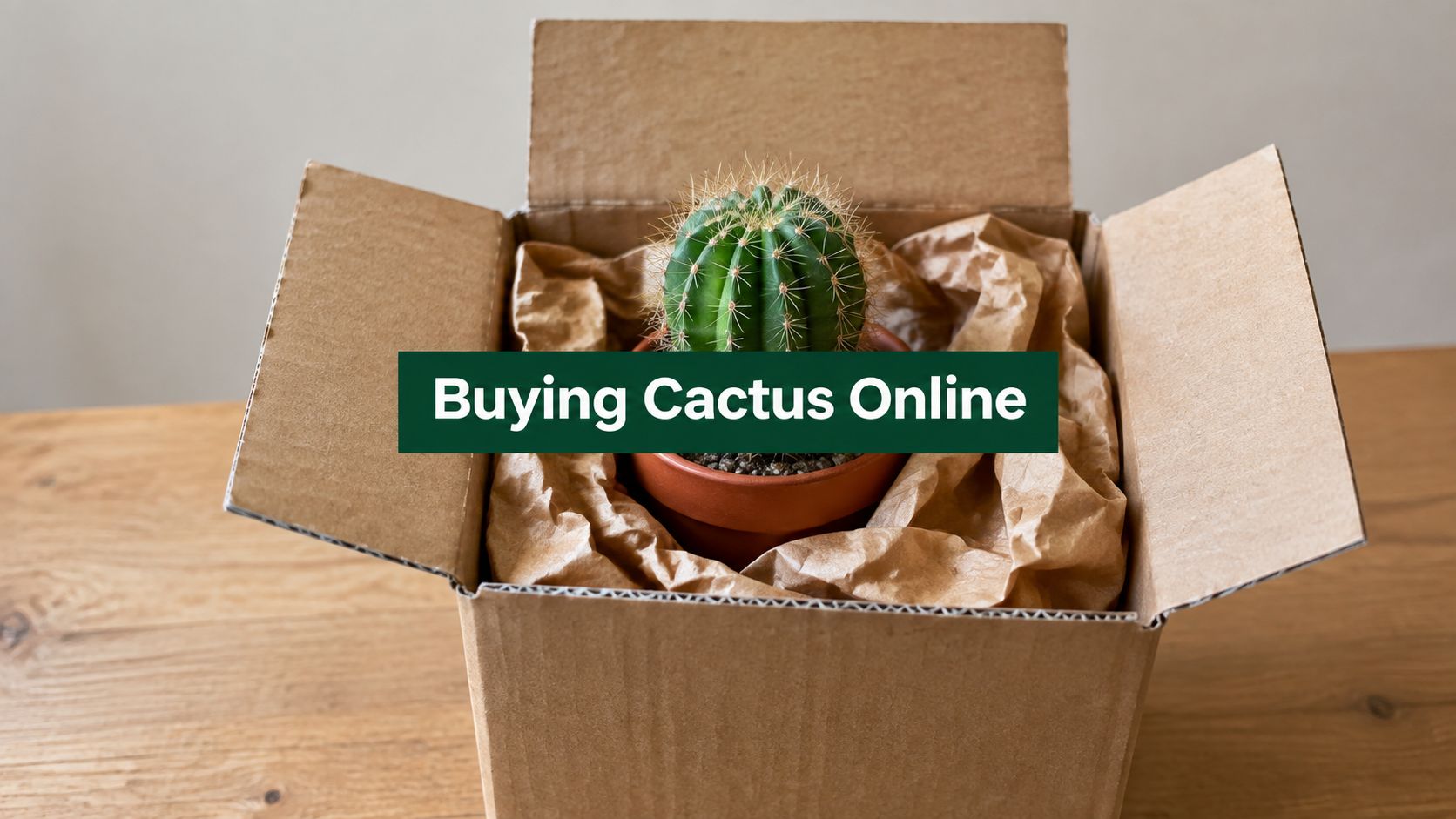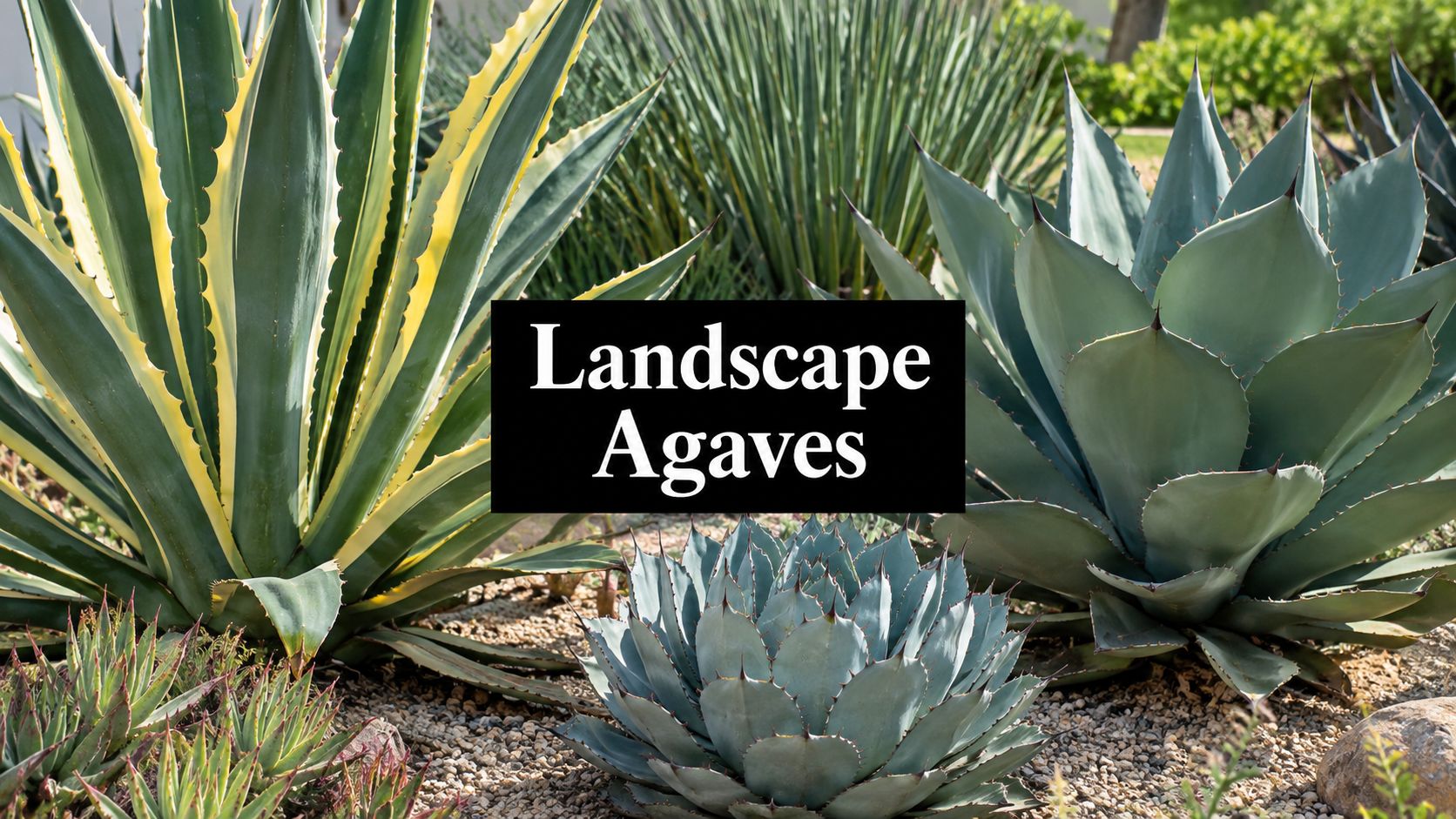


You've found the cactus that could anchor your entry, transform a patio, or give an outdoor space the mature structure it's missing. The photos look right, the proportions fit, and then one practical concern takes over: how does a large, heavy, spiny plant arrive safely at your property?
Large cactus shipping and delivery requires more than placing a plant in a box. Weight, height, fragile roots, sharp spines, shifting loads, weather, and plant-health regulations all affect the journey. At The Cactus Outlet, shipping is treated as the final stage of nursery care, not an afterthought. The process begins with selecting a specimen suited to its destination and ends with helping you receive, unpack, and acclimate it correctly.
Your Guide to Getting Large Cacti Delivered
The most common hesitation comes just after a buyer finds the right mature specimen online. A Golden Barrel may be exactly the rounded focal point a rock garden needs, while a tall Peruvian Apple Cactus may provide the vertical structure a contemporary patio lacks. But unlike a small houseplant, a mature cactus can't be placed straight into a standard parcel and sent without careful preparation.
The answer is a delivery plan built around the plant itself. The nursery considers the specimen's form, weight, root condition, spine structure, destination, and the handling method required to keep it stable. That's why buying a large cactus online should involve more than comparing photographs and prices. The listing, shipping method, access route, container, and receiving plan all belong in the same decision.
A buyer-friendly overview of selection considerations is available in The Cactus Outlet's guide to buying a large cactus online. Use it to compare statement plants for indoor display, patio containers, privacy screens, and drought-tolerant landscaping before committing to a specimen.
Plan the landing area before delivery
Measure the route from the delivery point to the final location. Gates, doorways, steps, narrow side yards, low branches, and tight corners can matter as much as the plant's height. A large cactus also needs a stable landing area where it can remain protected while you inspect the shipment and prepare its container or planting site.
If you're moving several plants around a property, Melbourne's guide to moving plants offers useful general advice about preparing routes, protecting foliage, and coordinating handling. Large cacti require additional spine protection, but the same principle applies: decide how the plant will move before it arrives.
Practical rule: The safest delivery is planned backward from the final planting or display location.
This guide follows the complete path, from professional packaging and crating to shipping costs, agricultural controls, unboxing, and acclimation. With the right preparation on both sides, a mature cactus can arrive as the substantial outdoor planting or patio feature you selected, rather than as a stressful handling project.
Our Philosophy on Shipping Mature Specimen Plants
A mature cactus may have taken years to develop its form, so delivery planning must protect more than its appearance. Our aim is to preserve the plant's structure, roots, skin, and growing potential while controlling the risks created by vibration, impact, temperature changes, and movement during transit.
Large specimen delivery requires different decisions from ordinary small-plant fulfillment. A compact succulent may tolerate limited shifting inside a parcel. A tall columnar cactus carries more weight through its base and can experience damaging bending at vulnerable points. A mature Golden Barrel presents another problem: its rounded body and spines need protection from crushing and abrasion, rather than support along a long stem.
The plant determines the method
The specimen's physical profile sets the shipping plan. Upright plants need stable support that limits bending. Broad barrel forms need cushioning around the body without pressing into the spines. Agaves, aloes, euphorbias, and other succulents bring different combinations of weight, leaf or stem fragility, and handling concerns.
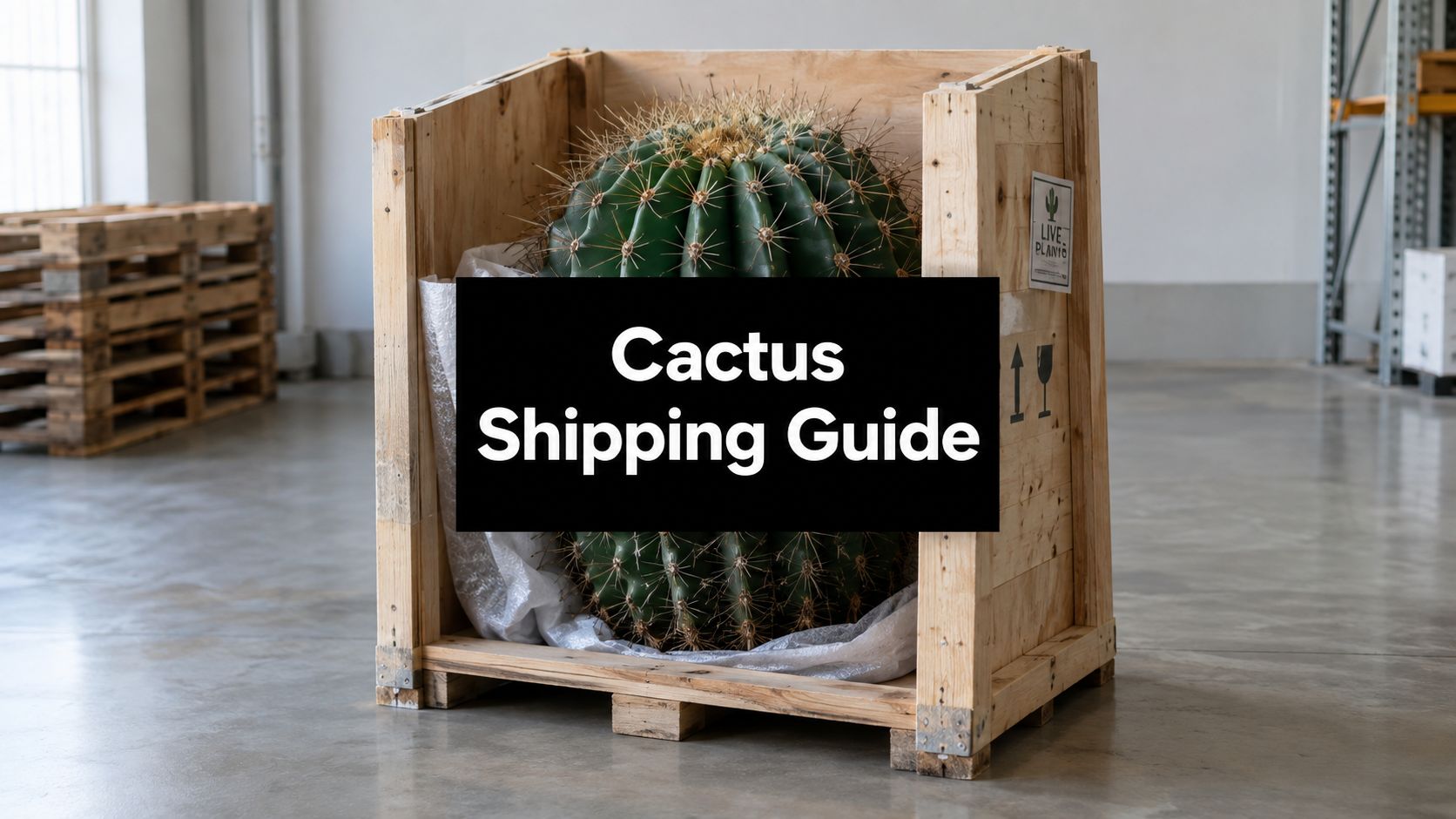
Very large specimens can exceed the crush resistance and stability of an ordinary carton when their load shifts during transit. A rigid wooden crate is therefore appropriate for plants that cannot be safely supported by a standard box. The crate must be selected and built around the plant, not used as a generic container.
The objective is to prevent serious damage such as a broken column, crushed ribs, torn roots, or instability at the base. Packaging should hold the plant firmly while leaving protected surfaces enough room to avoid rubbing against delicate skin or spines. Some minor cosmetic marks may occur during careful handling, but movement, pressure, and impact should be controlled from the start.
Shipping is part of plant care
A mature specimen deserves a handling decision that matches its value and physical demands. Choosing a less suitable method to reduce the immediate shipping charge can create a larger problem if the plant arrives damaged or needs extensive recovery. Dry preparation, protective wrapping, structural support, crating, documentation, and delivery coordination all protect the plant and the work invested in growing it.
The same considerations apply when reviewing The Cactus Outlet's mature cactus buying guide. A mature plant is not merely a larger small plant. Its scale changes the requirements for packaging, placement, receiving, and installation.
A shipping fee for a large specimen covers specialized protection and handling. It is the cost of preparing and moving a demanding, valuable plant, not just a parcel between two addresses.
Our shipping decisions therefore begin with the plant's form. A manageable container cactus may travel safely with one method, while a tall, heavy specimen requires a different level of support and coordination. The plant determines the method, and the delivery plan follows from it.
Expert Packaging and Crating for Safe Transit
A mature cactus can arrive safely only when its weight, spines, and fragile outer skin are managed together. Control movement without creating new pressure points is the central packaging goal. Preparation starts before the plant reaches the packing area, because root condition, moisture level, stem shape, and surface health determine which protections and supports are suitable.

Why dry and bare-root preparation works
Large cacti and other live plants are commonly shipped bare-root and dry. Removing soil reduces the load, limits condensation, and lowers the risk of rot during transit. Dry roots also let the packing team inspect the root area and secure the plant without wet media shifting around inside the package.
Paper and cardboard provide breathable separation between the cactus and rigid packing materials. Plastic can hold moisture against the plant, so it requires careful use and cannot replace ventilation. Wrapping should shield vulnerable skin and spines while keeping the specimen dry.
The sequence varies with the plant's shape, but the practical priorities stay consistent:
- Prepare the root area. Remove loose soil where appropriate and keep the roots dry during transit.
- Protect the plant surface. Apply layered, breathable wrapping between the spines, skin, and rigid materials.
- Stabilize the form. Stop the plant from rolling, leaning, or sliding when the package is lifted.
- Add external protection. Build an outer structure that withstands handling without transferring crushing force to the cactus.
- Secure the load. Fill voids and brace the specimen so it stays supported through vibration and changes in orientation.
When a crate beats a carton
A very large specimen generally needs a rigid wooden crate rather than a standard box. A cactus around 6 feet tall can exceed ordinary carton strength and void-fill stability when its weight shifts during vibration or impact. Detailed large-specimen cactus packing guidance also illustrates why height and weight must be considered together.
A crate creates a protective frame around the plant. It gives the packing team room to support the base, account for the specimen's center of gravity, and keep external objects away from the spines and skin. A carton may appear adequate while empty, then deform after a heavy plant moves inside it.
Packing principle: The plant should be held in position, not squeezed into position.
Documentation supports the physical protection. Cacti are agricultural commodities, and interstate or cross-border movement may require approved growing media, bare-root preparation, permits, inspection, or certification. Information on understanding AU plant quarantine rules explains why plant movement can involve requirements beyond ordinary household packing. U.S. shipments follow USDA APHIS requirements.
Understanding Shipping Costs and Timelines
Large cactus shipping costs are calculated from the service the plant requires, not from a simple flat relationship between the plant and a parcel label. The nursery must account for the specimen's physical dimensions, handling requirements, packaging, destination, and whether a specialized freight arrangement is necessary.
A tall cactus can require different materials and labor than a compact barrel. A heavy agave or aloe may need stronger support even when it isn't especially tall. Distance also affects the carrier's route and handling requirements. These variables explain why two plants that look similar online may receive different shipping quotes.

The main cost drivers
| Factor | Why it affects delivery |
|---|---|
| Plant weight | Heavier plants require stronger handling, support, and packing materials. |
| Plant height | Taller specimens may need specialized crates and suitable vehicles. |
| Shipping distance | Longer routes involve more carrier handling and logistical expense. |
| Special handling | Unusual dimensions, fragile forms, or distinct delivery requirements can change the service needed. |
The quote may also reflect whether the plant travels as a parcel or through a freight-style service. The correct choice depends on the specimen rather than the buyer's preferred price category. A low-cost box is not a saving if it cannot support the plant.
Processing time versus transit time
Nursery processing time covers the work required to select, prepare, document, wrap, and secure the cactus. Carrier transit time begins after the shipment leaves the nursery. Those are separate stages, and weather, destination, access, and carrier scheduling can affect the latter.
Buyers should also prepare for the delivery itself. A large crate may need a clear receiving area, appropriate lifting help, and a route to the final site. Confirm that the address can accept the shipment and that someone can inspect it when it arrives.
For current policy details and order-specific expectations, review The Cactus Outlet's shipping and returns information. The useful question isn't only “What does delivery cost?” It's “What protection and handling does this plant need to arrive in usable condition?”
A transparent quote should make the physical reason for the service clear, including size, weight, distance, packing, and special handling.
Navigating Interstate and Quarantine Rules
Cactus delivery across state lines is regulated because live plants can carry pests and introduce quarantine risks. The USDA Animal and Plant Health Inspection Service treats cacti as agricultural commodities, so a shipment may need to satisfy plant-health controls before it can legally move.
The practical consequence is simple: packaging quality alone doesn't guarantee legal delivery. Depending on the movement, plants may require permits, inspection, approved growing media, bare-root preparation, or certification that the material is pest-free.

What compliance can involve
The USDA APHIS cactus shipping guidance warns that plants or plant products moving into or through the United States may require permits. It also says plants must not be mailed or shipped from areas under Federal or State quarantine for an invasive pest.
For cacti specifically, rooted plants in unapproved growing media are prohibited in certain movements. Bare-rooted cactus or plants in approved growing media may be certified for movement under specified conditions. That distinction affects how the nursery prepares the plant before packing.
A phytosanitary certificate is official plant-health documentation showing that a shipment has met the applicable inspection and certification requirements. It isn't automatically required for every shipment, but when the destination or movement rules call for it, the paperwork becomes part of the delivery process.
Why the rules matter to buyers
A compliant shipment is less likely to face avoidable delays, refusal, or problems at a regulated destination. The nursery must evaluate the route and prepare the plant according to the applicable requirements rather than assuming that a normal carrier label is sufficient.
APHIS also describes inspection-based exceptions for small, noncommercial cactus consignments. Those shipments may be released without treatment if they can be inspected completely and found pest-free. That exception doesn't remove the need for careful preparation when a large cactus is being shipped commercially for a home, garden, or collector project.
Plant-health documentation protects the destination landscape as well as the shipment. It's part of responsible nationwide delivery.
Your Role in Receiving and Unboxing a Delivered Cactus
A successful delivery ends with careful receiving. Before the truck arrives, clear a spacious area away from harsh direct sunlight, gather sturdy gloves and a box cutter, and make sure the route to the final location is free of obstacles. If the specimen is large or heavy, arrange appropriate help rather than trying to carry it alone.

Inspect before opening fully
Look at the crate or outer packaging before cutting straps or panels. Photograph visible damage, then open the package carefully so the tool doesn't contact the plant. Keep your hands away from unseen areas, and use the wrapping as a barrier while you remove protective materials.
Support the specimen as packing is removed. Don't pull a tall cactus by its tip, and don't use the spines, branches, leaves, or crown as handles. If the plant is crated, remove the crate components in a controlled order so the structure remains supported until the plant is ready to move.
This embedded walkthrough provides a visual reference for the unboxing process:
Acclimate before strong sun
A newly shipped cactus shouldn't move directly from a dark package into intense sunlight. Keep it in bright shade or filtered light for the first 3–5 days, then introduce gentle morning sun and increase exposure gradually over the next 1–2 weeks, moving it back to shade if stress appears, according to post-shipment light-acclimation guidance.
Hold off on making several changes at once. The plant has already experienced handling and a change of environment, so give it time to settle before deciding that it needs repotting, stronger light, or extra water.
Choose the container carefully
If the cactus is going into a patio container, use one with drainage holes. The container's inner diameter should be only 1–2 inches wider than the root ball, which helps avoid an oversized soil volume that stays wet around the roots. For containers wider than 6 inches, two drainage holes are strongly advised, based on succulent container guidance.
A pot that's too small can destabilize a tall specimen, while one that's too large can complicate moisture management. Choose a container that supports the plant's weight and fits the final setting, with enough room around it for safe access and maintenance.
Frequently Asked Questions About Cactus Delivery
Can a large cactus really be shipped safely?
Yes, when the shipping method matches the specimen. Tall plants need support against bending, broad forms need protection from crushing and abrasion, and very large plants may require rigid wooden crating. The receiving plan matters too, because even excellent packaging can be mishandled during an improvised move from the delivery point.
Should I put the cactus in full sun immediately?
No. Keep it in bright shade or filtered light for 3–5 days, then introduce gentle morning sun gradually across 1–2 weeks, as outlined earlier. This reduces stress while the plant adjusts to its new surroundings.
Is bare-root shipping harmful to the plant?
Bare-root, dry shipping is a practical method for large live plants because removing soil reduces weight, avoids condensation, and lowers the risk of rot during transit. The roots should be handled and protected carefully, then placed into a suitable container or planting site after arrival.
What should I do if the package looks damaged?
Photograph the exterior before unpacking, then open it carefully and document the plant, roots, base, and inner packing. Contact the nursery promptly with clear images and keep the packaging until the delivery issue has been reviewed.
Do all cactus shipments need a phytosanitary certificate?
Not necessarily. Requirements depend on the destination, route, quarantine status, and type of movement. USDA APHIS rules may require permits or certification, and some plants must be bare-rooted or placed in approved growing media.
What kind of container should I buy?
Choose a stable container with drainage holes and an inner diameter only 1–2 inches wider than the root ball. For pots wider than 6 inches, two drainage holes are strongly advised. The container should also be heavy and stable enough for the specimen's form and placement.
How should I prepare for a large delivery?
Measure the access route, clear the receiving area, prepare gloves and a box cutter, and arrange help for heavy lifting. Decide where the plant will acclimate before it arrives, keeping it out of intense direct sun during the initial adjustment period.
The Cactus Outlet offers large cacti, agaves, aloes, euphorbias, and succulents for online buyers planning patio displays, containers, and landscaping projects. Visit The Cactus Outlet to compare mature specimens and start your delivery plan with the plant, destination, and receiving conditions in mind.