

You've been staring at a tall, sculptural cactus online, measuring the corner of your patio or the bright spot by the window, and wondering if this is the one. That's the right instinct. A large cactus for sale is never just a plant purchase, it's a commitment to light, space, delivery logistics, and aftercare, especially once a crane-delivered specimen or a decades-old outdoor cactus enters the picture.
The smartest buyers think beyond the listing photos. They ask what happens after unboxing, how the plant will adapt to its new environment, and whether the seller can document where it came from. If you're also comparing moving logistics for other fragile items, the Australian artwork moving guide from Posch & Silva Moving Solutions is a useful reminder that big, delicate objects need planning long before they arrive.
Bringing Home a Living Sculpture
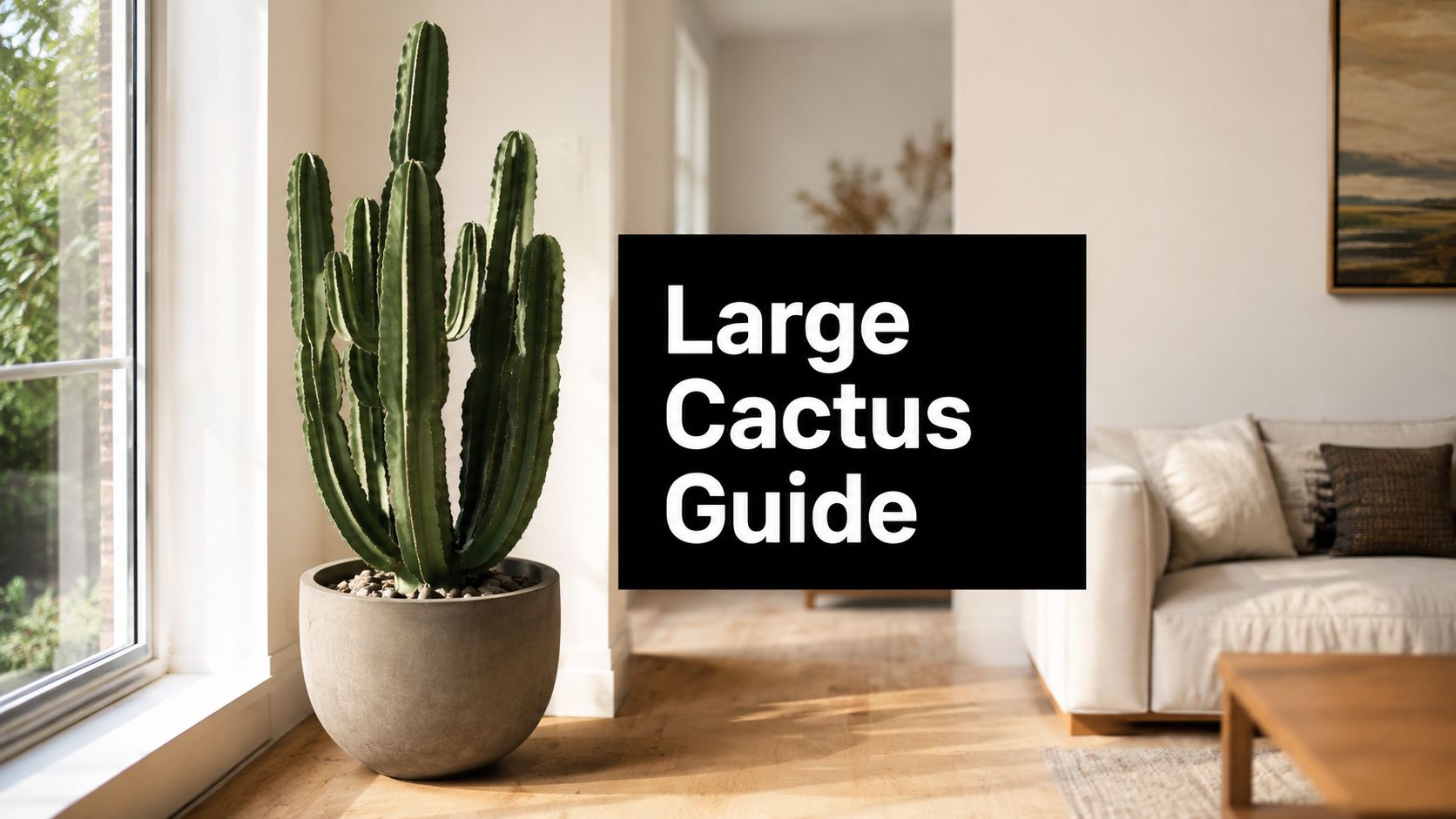
A homeowner often starts with one simple image, a dramatic cactus standing where a bare corner used to be. The plant looks effortless in the photo, almost architectural, and that's exactly why large cacti sell so well. But the real purchase begins when the truck leaves and the specimen has to settle into your space without stress.
That shift from “beautiful object” to “living plant” is where many buyers underestimate the process. A large cactus can't be treated like a home décor item that you unwrap, place, and forget. It needs the right light, the right site, and a realistic plan for what comes after delivery, especially if it has been grown under nursery conditions rather than full sun.
Practical rule: buy the plant you can establish, not just the one that looks most impressive in the listing.
If you've ever moved a framed print or mirror, you already know that the item's value is only half the challenge. The other half is handling, positioning, and protection during transit, which is why a careful packing mindset matters. The same logic applies to a cactus, only now the object is alive, thirsty for the right conditions, and vulnerable to damage if rushed.
A good large cactus for sale listing should feel like the start of a long-term installation, not a quick purchase. That's the lens to use as you compare species, delivery methods, legal paperwork, and the hidden work required after arrival.
How to Choose Your Perfect Statement Cactus

The easiest way to narrow choices is to match the cactus to the job you need it to do. Some buyers want height fast. Others want a specimen that can anchor a yard for decades. A third group wants a plant that can survive a bright indoor threshold without becoming a maintenance headache.
Peruvian Apple Cactus
The Peruvian apple cactus is the fast mover in this group. One retail specification notes 1 to 2 feet of annual growth under suitable conditions, which makes it attractive for buyers who want a faster route to screening or vertical structure. That growth also creates a real handling issue, because a cactus that elongates quickly can become top-heavy and needs a pot, soil mix, and placement plan that support its shape.
This is a good choice when you want visible change without waiting years for the silhouette to fill in. It still needs strong light, excellent drainage, and careful acclimation after arrival, because rapid growth doesn't mean rugged transplant tolerance. If you're buying for a bright courtyard or a sunny interior transition space, this species gives you momentum without the monumental logistics of the biggest outdoor giants.
Cardon Cactus
The Cardon cactus (Pachycereus pringlei) is widely documented as the largest cactus species in the world, and suppliers commonly offer it in large nursery grades such as 130 to 150 cm specimens for outdoor settings. That size band matters because the plant is already being sold as an architectural piece, not a novelty pot plant. You're choosing for presence, long-term scale, and outdoor impact.
This is the one to consider when you want a statement that reads immediately from a distance. It's also the species that asks the most from the site itself. Anchoring, transport access, and soil load capacity become practical questions, not extras. In a protected outdoor setting with room to mature, Cardon can be the right answer. In a narrow entryway, it's usually the wrong one.
Saguaro
The Saguaro is the classic icon often pictured first. Mature outdoor specimens can command a much higher price because they're old, heavy, and difficult to move, which makes them an investment rather than an impulse buy. They also demand patience in the ground or in a site where their scale won't overwhelm surrounding structures.
When buyers choose Saguaro, they're usually choosing permanence. That's attractive, but only if the site can support its future footprint and the buyer is comfortable with the slower, more disciplined rhythm that comes with a true desert specimen. If you're comparing this against smaller or faster species, the question isn't which one looks bigger today. It's which one fits your space five years from now.
For a broader species comparison, the types of large cactus overview can help you narrow the field by growth habit rather than by appearance alone.
What to Expect from Shipping and Delivery

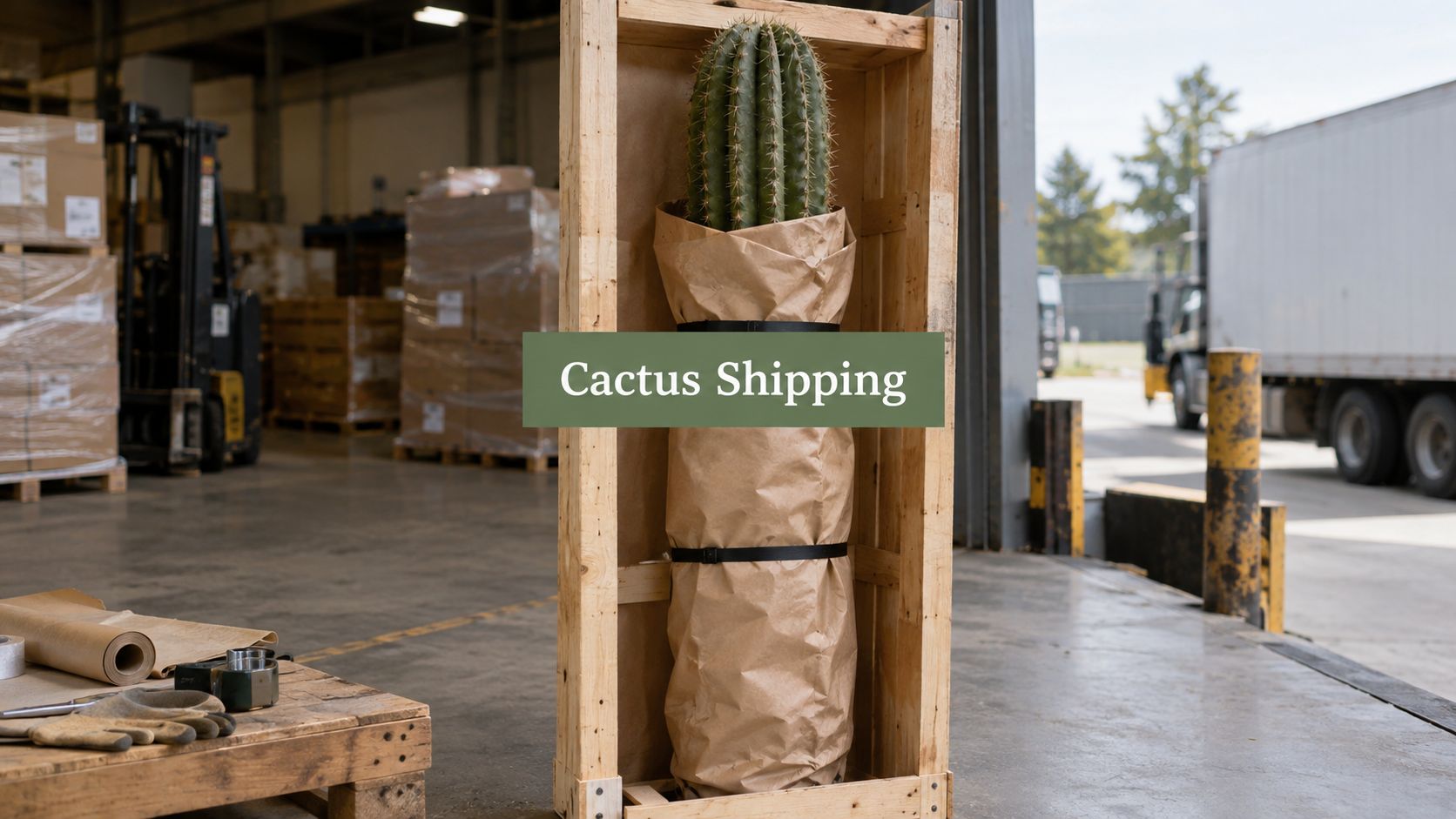
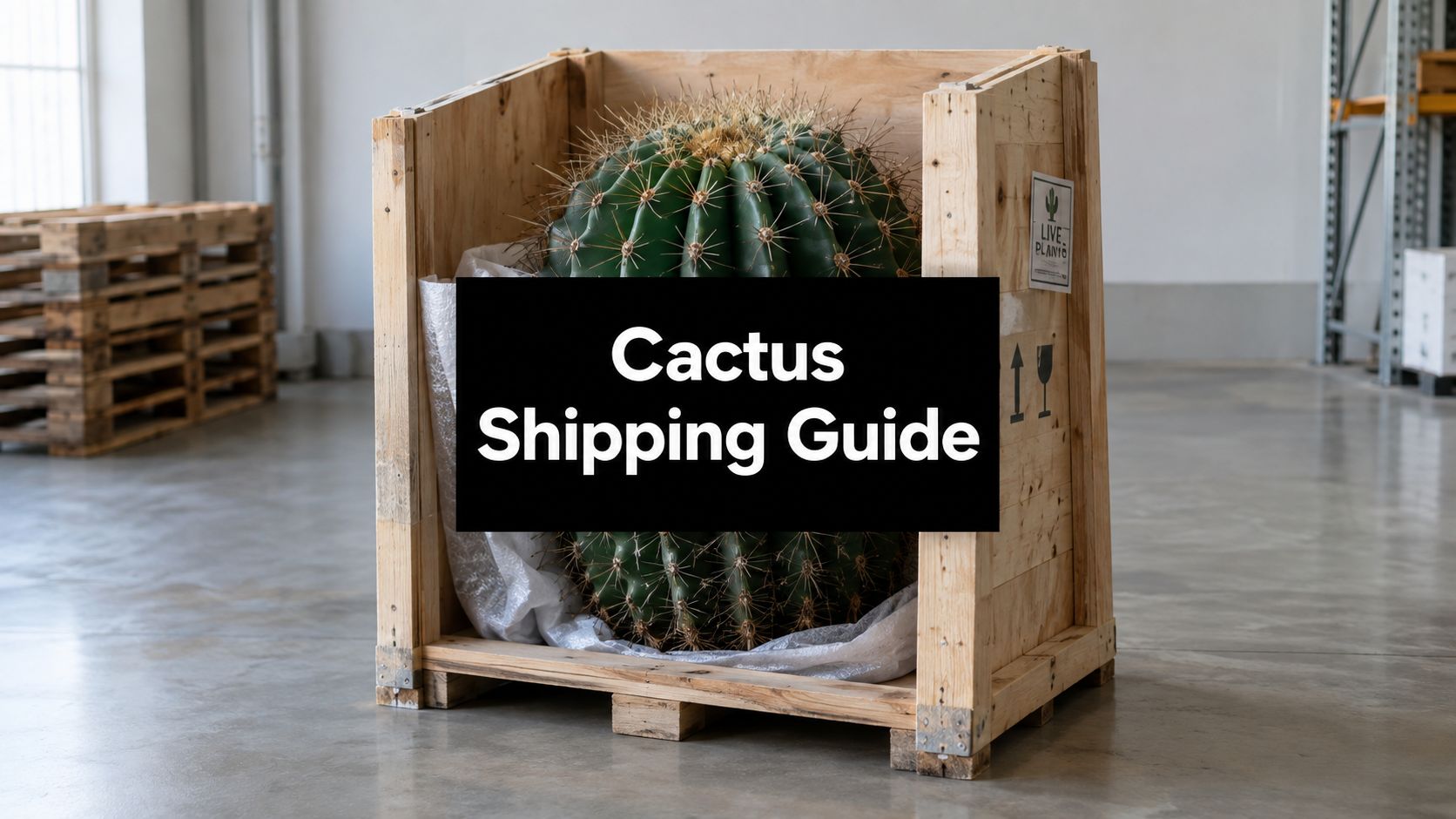
The best shipping experience starts before the cactus leaves the nursery. A reputable seller dry-packs the plant appropriately, stabilizes the pot or root ball, and keeps the structure from shifting in transit. For large specimens, freight-style handling and oversized packaging aren't luxuries, they're basic protection.
The delivery itself should feel slow and deliberate. If the plant is too large for a standard parcel route, expect a scheduled handoff and enough room for the crew to position it safely. The buyers who do best are the ones who clear access ahead of time, measure doorways, and know exactly where the cactus will rest first.
Practical rule: let the plant pause before you force it into its final position.
That matters because large cacti often need gradual acclimatization from greenhouse conditions to full sun after delivery. Putting them straight into a sunny spot can stress the specimen and damage tissue that hasn't adjusted yet, especially if it was grown under sheltered conditions. The right first move is usually a controlled transition, not immediate exposure.
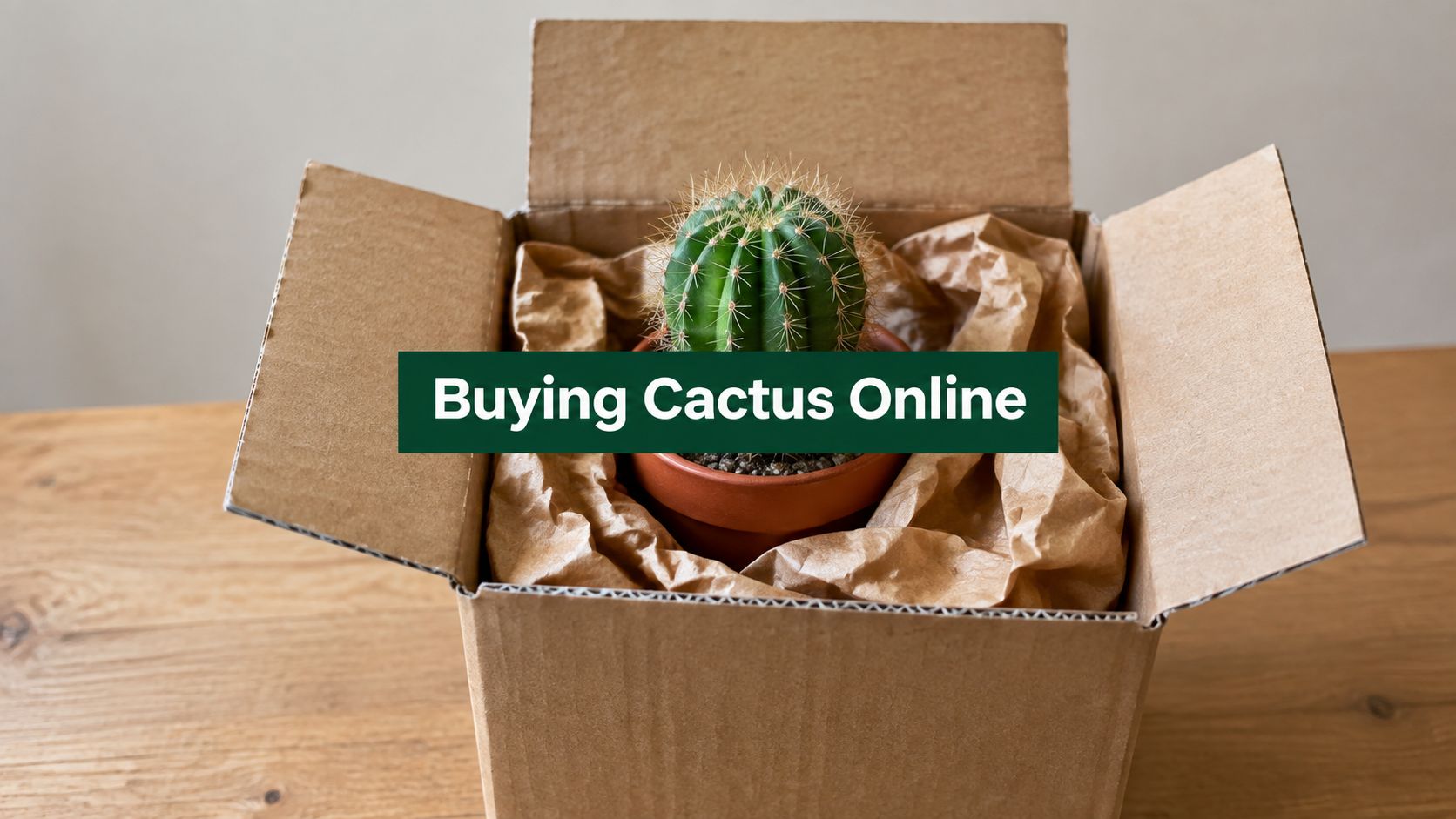
For a useful packing mindset, the how to prepare plants for moving guidance from Home Removals Sydney reinforces a simple principle, protect the plant, protect the root zone, and don't let transit shock do unnecessary work. If you want to understand how sellers frame online ordering too, the buy a cactus online guide is a helpful reference point.
When the cactus arrives, inspect it before you rush. Check the stem for breakage, look at the soil surface, and make sure there's no obvious pest activity or shipping collapse. Then let it rest, because a calm first day is often the difference between a smooth establishment and a slow recovery.
Essential Care for Large Specimen Cacti
Large cacti fail for a different set of reasons than small houseplants. They don't usually die because someone forgot they existed for an afternoon. They decline because the buyer watered like the plant was small, placed it too quickly into harsh sun, or used a pot and mix that held moisture around a heavy root mass.
Water Deeply, Then Leave It Alone
A mature cactus wants infrequent watering, but when you do water, it should be thorough enough to reach the whole root zone. The soil then needs time to dry fully. That pattern matters more for large specimens because the root mass is larger, the body stores more water, and the consequences of soggy soil show up slowly before they become visible.
Overwatering is still the most common self-inflicted mistake. It's tempting to treat a big plant as a hardy one, but size doesn't make a cactus immune to rot. It just makes the problem slower to notice.
Get the Pot and Mix Right
A top-heavy cactus needs stability as much as drainage. The pot should support the plant's weight without creating a moisture trap, and the soil should drain quickly enough that roots aren't sitting wet after watering. If the container is decorative but unstable, the plant may lean or tip as it grows. If it's oversized and holds too much wet media, root stress becomes more likely.
For repotting basics, the how to repot cacti resource is a practical starting point. It's especially useful if you're moving a specimen into a sturdier container after delivery.
Watch for Pests and Light Stress
Large cacti can still pick up pest issues, especially when they're stressed from transit or acclimation. If you want a visual checklist of common ornamental pests, the FullScope Pest Control plant pest advice page is worth a look before problems spread across a collection.
If you're buying from an online nursery, one option among many is The Cactus Outlet, which offers large cactus specimens and related care information. The point isn't the seller label, though. It's whether the plant arrives with enough root integrity and enough time to adjust before full exposure.
Understanding the Price of a Large Cactus

Sticker shock usually fades once buyers understand what they're paying for. A mature specimen cactus isn't priced like a small retail plant because it isn't grown like one. It represents years of bench space, root development, handling, and survival risk before it ever reaches a customer.
One market reference estimates the cactus plants market at about USD 1.2 billion in 2024, with a projection of about USD 2.5 billion by 2033 and a CAGR of 8.9% from 2025 to 2033 (DataHorizzon Research). That projection matters because it shows the category is expanding, not fading, and premium specimens sit inside that broader trend.
For mature outdoor specimens, the numbers get dramatic quickly. Saguaro and similar mature specimens, often 4 to 12 feet tall and 25+ years old, can range from USD 1,200 to USD 14,500 because of their age and crane-assisted transport requirements (Alibaba product insights). That spread isn't random, it reflects size, maturity, and the cost of moving something living without breaking it.
Price follows difficulty. The older, heavier, and more awkward the plant, the more the final number reflects logistics rather than just nursery overhead.
Even smaller retail cacti illustrate the same principle in miniature. Standard potted cacti can sell for much less, while nursery liquidation periods can soften pricing on some specimens, and late-year shipping damage can push sellers to price more carefully. The pattern is consistent, the bigger the plant and the more complex the handling, the more the final quote becomes a logistics story.
The Legal Side of Buying Native and Iconic Cacti
Large native cacti come with more than a price tag. They can also come with permits, provenance questions, and ethical sourcing expectations. That's especially true when the plant is iconic or regionally protected, because a buyer isn't just acquiring a specimen, they're acquiring responsibility for its legal status.
Regulations around selling native cacti are strict. For example, selling saguaros can require permits and documentation of legal sourcing, and buyers should verify that paperwork before paying for a plant (Shuncy). That doesn't just protect the seller. It protects the buyer from acquiring something that can't be moved, transferred, or resold cleanly later.
The most trustworthy sellers are the ones who answer three questions without hesitation. Where did the cactus come from, how was it obtained, and what documents travel with it. If a listing is vague on those points, that's a warning sign, especially for species that are native, iconic, or commonly salvaged from large-scale site development.
A responsible purchase also helps the plant itself. Legal sourcing usually means the cactus was handled with enough care to survive the move and establish again afterward. That's a better foundation than an anonymous bargain with no trail of custody.
Your Pre-Purchase Checklist and Final Questions

Before you check out, make sure these boxes are ticked:
- Assess Your Space: Confirm the plant has room to grow, plus enough light and access for delivery.
- Research Species: Choose a cactus that matches your climate, patience, and long-term layout.
- Verify Seller Reputation: Ask about plant health, packing methods, and documentation.
- Plan Delivery Logistics: Know where the cactus will land and how it gets there safely.
- Prepare Potting & Soil: Have the container, drainage, and soil ready before arrival.
A few last questions usually come up right before purchase.
Can I repot immediately? Usually not if the plant just arrived stressed. Let it settle first unless the current setup is clearly unstable or damaged.
How do I know the pot size is right? The container should support the plant's base without creating a swampy root zone, and the plant shouldn't wobble after watering.
Is bigger always better? No. The least risky plant is often the one that fits your site, your light, and your ability to acclimate it properly.
If you're ready to choose a specimen that will still look right after the delivery dust settles, take the next step with The Cactus Outlet and compare large cactus options with your space, your climate, and your long-term plan in mind.
A CTA for The Cactus Outlet.