

You're standing in the yard, looking at that blank strip of sun-baked space by the driveway or pool, and you already know grass isn't the answer. You want something bold, low-water, and permanent, something that looks expensive because it's well chosen, not because it's high maintenance. That's exactly where outdoor cactus plants for sale make sense, but only if you buy with a contractor's eye, not a collector's impulse.
The mistake I see all the time is simple. Buyers chase the shape in the photo and ignore the realities of site access, drainage, mature size, and winter survival. The plant can be gorgeous and still fail fast if the delivery can't reach the planting spot, the soil stays wet, or the species can't handle your winter lows.
Why Outdoor Cactus Plants Are Transforming Modern Gardens
A homeowner calls because the front courtyard feels flat, and the answer they want is not another hedge. They want a tall, sculptural plant that works with stone, gravel, and clean lines, something that reads as design instead of filler. That instinct is right, and it explains why outdoor cactus plants have moved well beyond novelty.
The market numbers line up with what crews are seeing. One study values the cactus plants market at USD 1.2 billion in 2024 and projects it will reach about USD 2.5 billion by 2033, with an 8.9% CAGR from 2025 to 2033, while another estimate is even more aggressive, projecting USD 3,860.3 million in 2021 to USD 23,157.8 million by 2033 with a 16.102% CAGR for 2025 to 2033, according to DataHorizzon Research. That growth usually means better assortment, more specialized shipping, and stronger availability for specimens ready for outdoor planting.
Practical rule: Buy the plant for the site, not the catalog photo.
What is driving the shift is plain to anyone working on dry spaces. Cacti fit drought-tolerant gardens, modern patios, and outdoor spaces that need a strong architectural form without heavy irrigation, and outdoor planting references note that cacti in garden settings may only need watering once a month under suitable conditions, as described by The Cactus Outlet's cactus garden landscaping ideas and The Spruce. If you are mapping a full desert-inspired layout, that visual reference helps you see how these plants function in real spaces.
The commercial reality is simple. Outdoor cactus purchases are no longer just about owning a specimen, they are about solving a site problem with a living, durable object. That means you need to think about delivery route, mature footprint, and winter exposure before you ever click buy. If you are comparing broader yard-refresh options alongside cacti, the landscaping services from Modern Yard Landscapes page shows how low-water design gets built around structure first, not filler.
Top Outdoor Cactus Species and Their Hardiness Zones
The best outdoor choice depends on climate first, then style. A tall column can work as a screen in one yard and fail miserably in another, while a cold-hardy clumper can survive where a dramatic specimen would never make it through winter. If you want the shortlist without the fluff, use the table first, then narrow by your region.
| Species | USDA Zones | Mature Height | Best Use |
|---|---|---|---|
| Saguaro | Warm desert zones only | Very tall over time | Focal point, landmark planting |
| Peruvian Apple Cactus | Warm to mild climates, container in cooler areas | Large columnar specimen | Entry feature, patio accent |
| San Pedro | Broad outdoor use in mild climates | Tall columnar form | Privacy screen, architectural row |
| Agave species | Many species suit mild to warm zones | Varies by species | Mass planting, sculptural accents |
| Aloe species | Mild climates and containers | Varies by species | Patio containers, clustered planting |
| Opuntia | Cold-hardy options available | Low to medium, spreading | Mass planting, dry slopes |
| Escobaria | Cold-hardy options available | Small, clumping | Rock gardens, alpine-style plantings |
For readers comparing climate-fit, the strongest filter is cold-hardy inventory. The cold hardy cactus plants guide is the right place to start if your winters are not mild. It's also worth bringing in landscaping services from Modern Yard Landscapes if you're coordinating cacti with a broader low-maintenance yard plan and want the planting to match the rest of the hardscape.
How to read the species the right way
Saguaro is a statement plant, not a casual purchase. It belongs where winters are warm and the sightline can support a very large landmark over time.
Peruvian Apple Cactus gives you height and columnar presence, which makes it useful when you want vertical impact near an entry or courtyard. It's not a privacy hedge in the fast, instant sense, but it can anchor a design cleanly.
San Pedro is one of the more practical column forms for mild-climate outdoor use. In a garden row, it gives structure without looking bulky.
Opuntia and Escobaria are excellent answers for buyers who need cold-hardy presence. They're the plants you use when the goal is survival first, spectacle second.
Understanding Cactus Sizes and Pricing Tiers
Buyers get burned when they confuse a cute online photo with a mature specimen. A small cutting can be cheap because it's tiny and unestablished. A big cactus costs more because it has age, root mass, handling risk, and transportation weight behind it.

The pricing reality is straightforward. A market review found small 2 to 3 inch starter cuttings commonly sell for $3 to $10, juvenile cacti in 8-inch pots run about $10 to $30, typical houseplant-sized cacti average $15 to $50, and mature landscaping specimens over 5 feet tall can reach $500 to $1,000+, according to The Pricer. That spread is why size clarity matters so much in online listings.
A plant that looks “big” in a square photo can still be a starter in the ground.
The difference between age and appearance matters too. A slow-growing 10-year-old Saguaro is not the same as a 2-year-old Peruvian Apple Cactus even when the heights look similar, because the root structure, growth habit, and long-term value are different. A serious listing should disclose exact height and width and, when available, the container size, such as a 5-gallon pot, because that tells you something about root maturity and transplant readiness, as explained by Cactus Outlet's buying guidance.
A smart buyer sorts listings into three buckets.
- Starter Cuttings: Cheap, small, and useful only if you want to wait and grow.
- Juvenile Potted Plants: Better for patios, small courtyards, and budget-conscious projects.
- Mature Specimens: Right for builders, designers, and homeowners who want immediate impact.
If you're pricing out larger outdoor material, why large cacti and succulents are so expensive is worth reading before you assume the premium is arbitrary. It isn't. Size, handling, and maturity are what you're paying for.
Pre-Purchase Site Assessment Checklist
A great cactus in the wrong location is still a bad purchase. Before you order, walk the site like you're getting ready for a delivery truck, not just a plant. Measure, inspect, and think ahead to the plant's mature shape, because the space that looks generous today can feel cramped once the specimen settles in.
Check access before anything else
Gate width and pathway clearance decide whether a freight delivery can reach the spot. I've seen buyers order a specimen that fit the design plan perfectly, only to discover the plant had to stop at the curb because the route narrowed near the side yard.
Look up too. Overhead branches, eaves, and wires can block safe placement or force awkward handling. If the site has stairs, narrow turns, or soft ground, assume you may need pallet handling or more specialized movement.
Test the ground, not just the sunlight
Drainage is essential. The University of Minnesota Extension recommends a porous mix of one part potting soil and one part coarse sand, and says watering should be thorough so water exits the drainage holes, with soil allowed to dry completely between waterings, as noted by University of Minnesota Extension. That advice matters because cactus roots hate lingering moisture.
Map sun exposure across the year, not just on a single afternoon. A spot that gets blazing summer sun may get cold shade in winter, and that changes both plant stress and drainage drying time.
If water sits, the planting site is wrong, no matter how good the cactus looks in the nursery photo.
Plan for mature spread, not delivery size
Buyers often choose by current width and forget what happens later. Mature spread determines whether a planting cluster stays elegant or turns into a collision of spines, pads, and maintenance problems.
Keep cacti out of high-traffic paths, especially near doors and pool edges. Grouping can look strong, but crowding creates future headaches, so give each plant room to keep its own silhouette. For oversized material, ask in advance whether the route, ground conditions, and final position need contractor coordination before the delivery date.
Cold Hardiness and Regional Selection Strategies
A cactus that thrives in blazing sun can still fail in a bad region fit. Heat tolerance and cold hardiness are different traits, and winter moisture often hurts more than the freeze itself. Once roots stay cold and wet, rot takes over fast.
Match the plant to the region
The U.S. Southwest is the easiest place to site large outdoor cactus specimens because the weather matches the plant's water needs and structure. In Western Europe, Australia, and parts of the Middle East, low irrigation and intense sun also make cactus a practical choice, but the species still has to fit the local winter pattern, as noted in The Spruce.
The Pacific Northwest, Southeast, and Northeast require tighter selection. Wet winters, freeze-thaw swings, and poor drainage wipe out a lot of casual “outdoor” choices. In those regions, cold-hardy species and honest site prep matter more than appearance alone.
Use microclimates on purpose
South-facing walls can reduce winter exposure. Raised beds push excess water away from the root zone. Covered patios give borderline plants a better shot, especially if containers can be moved before a hard freeze.
Container planting is the safer call in borderline climates because it lets you relocate the plant seasonally. In-ground planting looks cleaner, but it ties the cactus to the site's cold and water conditions. If the spot stays damp or traps cold air, the plant pays for it every winter.
For buyers in marginal climates, the cold hardy cactus plants resource is the right filter, not the final step. If a seller says a cactus is “outdoor” without being clear about region and winter conditions, keep looking.
Planting and Seasonal Care Fundamentals
A newly installed cactus needs restraint, not constant attention. Watering too soon after planting is one of the fastest ways to weaken it, especially if the root zone stays damp. Keep the setup dry, stable, and simple.
Set the root zone correctly
Use a porous mix and keep planting depth conservative. A mix built around one part potting soil and one part coarse sand is a practical starting point for drainage, and the test is whether water moves out of the hole instead of pooling around the roots. If the hole drains poorly, fix the hole, not the watering schedule.
Set the plant so the base sits firmly and never sinks after watering. Repeated shallow watering pushes distorted growth and weak roots, so water thoroughly when you do water, then leave the soil alone until it dries out completely.
New cactus installations fail more from kindness than neglect.
Adjust care by season
In hot, dry months, check moisture more often, especially for container plants that dry faster than in-ground installs. As temperatures drop, cut watering back hard. In frost-prone areas, protect roots from freezing exposure with smart siting and breathable protection, not soggy mulch piles.
Mulch can help, but only if it stays light and does not trap moisture around the crown. Gravel or other mineral topdressings usually make more sense than organic mulch for cactus-heavy beds because they support drainage instead of holding water.
If you are planting a mixed bed with agaves, aloes, and cacti, give each plant room to breathe. Crowding creates maintenance problems later, and cactus roots do better in a clean, open bed than in a damp, tightly packed one. The University of Minnesota Extension guidance is still useful here, especially for keeping the root zone dry and avoiding the common mistake of treating cactus like a thirstier garden plant.
Shipping and Delivery Logistics for Large Specimens
Large cactus shipping isn't mysterious when the nursery does it right. Good growers dry, secure, and package plants so they can survive transit intact, then hand them off to freight with enough protection to handle the road. The point is not just arrival, it's arrival in a condition that still allows the plant to establish.
What should happen before delivery
The nursery should prep the specimen, crate it, and protect the plant from shock. Freight pickup should be tracked, and the customer should know when the load is close so the site can be cleared. That matters because a big cactus is not something you improvise with on the sidewalk.
A short delivery video can help buyers understand the process and set expectations.
What to do when it arrives
Inspect the crate and the plant immediately. Minor scuffs are one thing, broken structure or major crushing is another, and the difference should be documented before anything is unpacked. The Cactus Outlet notes that all plants are well-packaged and arrive healthy and intact, with a dedicated support team available to answer inquiries.
Do not rush straight into planting if the specimen has spent days in transit. Give it an acclimation window, especially if it came from a very different climate or sat boxed through variable weather. If you're coordinating with a gardening crew, schedule delivery when the installation team is ready and the weather is mild enough to reduce stress.
Landscape Design Applications and Placement Ideas
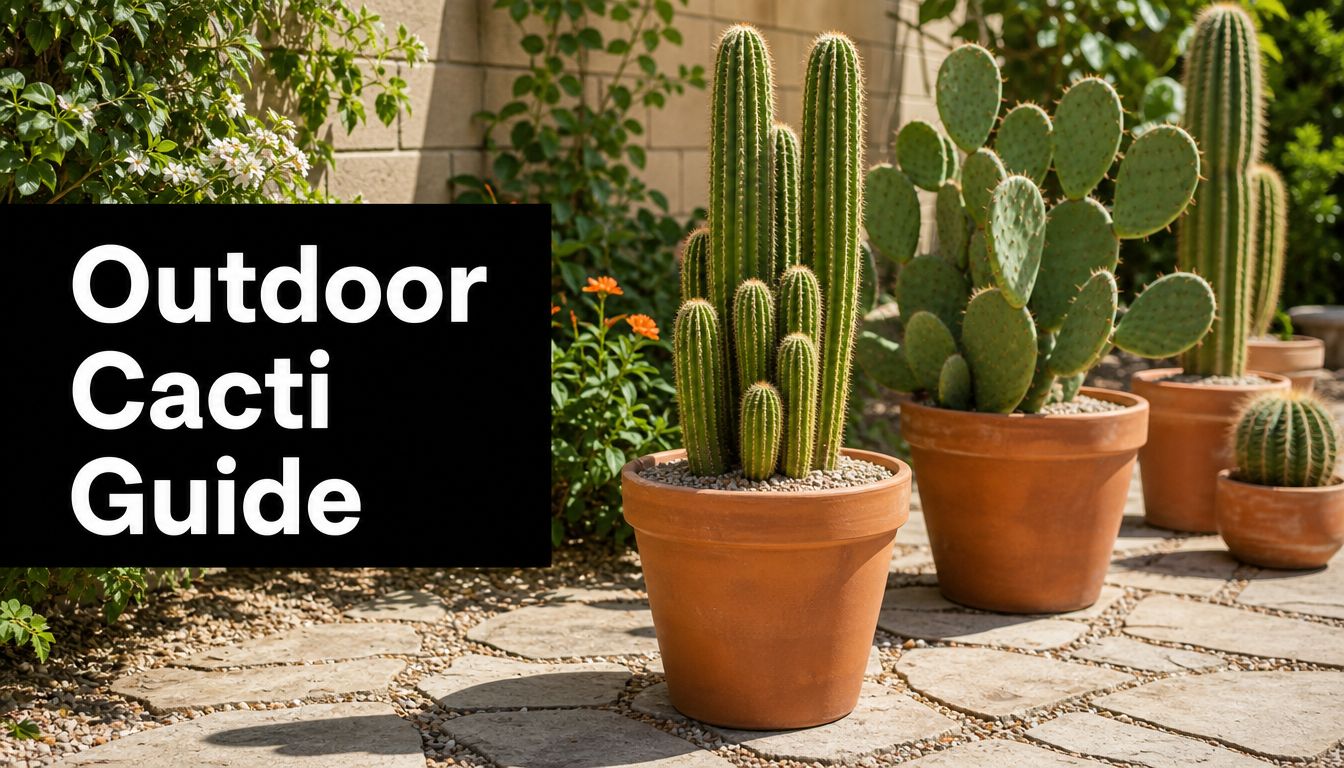
Tall columnar cacti do the best job as privacy screens when you give them room to reach full size. Crowd them and the effect falls apart fast. Place a single specimen near an entry, and it can carry curb appeal better than a busy mix of small plants. On patios and pool decks, containers give you the scale you want without locking the plant into one permanent spot.
For commercial sites, mass planting works when the goal is low-maintenance impact. Keep the palette tight, repeat forms, and pair cacti with agaves or aloes for texture. Straight hardscape lines help the planting read as planned, not thrown together. Leave enough space for each plant to keep its own outline as it matures, because that clean silhouette is what makes the design hold up.
Size drives placement, and placement drives success. A large cactus that overhangs a walkway, crowds a wall, or blocks access becomes a maintenance problem, not a feature. Pick the plant for the site first, then fit the arrangement around it.
Use cacti to anchor the yard, not to carry the whole composition. Stone, gravel, and structural succulents finish the look and keep the planting grounded. If you are buying outdoor cactus plants for sale, choose specimens that match your climate, your access route, and the space they will occupy at maturity. The Cactus Outlet has large specimens, clear product descriptions, and practical options for patios, outdoor spaces, and container projects.