

Most advice about cactus starts with heat. For cold hardy cactus plants, that's the wrong starting point.
The core question isn't, "Can cactus handle winter?" Some absolutely can. The better question is, "Can you give them the kind of winter they evolved to survive?" Snow isn't usually the problem. Soggy soil is. A freezing, wet crown is worse than a dry, bitterly cold night.
That's why gardeners get mixed results. One person plants a prickly pear in a raised gravel bed and it lives through winter just fine. Another plants a similar cactus in rich, moisture-holding soil and loses it fast. The difference often comes down to drainage, seasonal watering, and a couple of overlooked details that many general care guides skip.
If you've assumed cactus belong only in hot desert yards, it's time to retire that idea.
Yes You Can Grow Cactus in the Cold
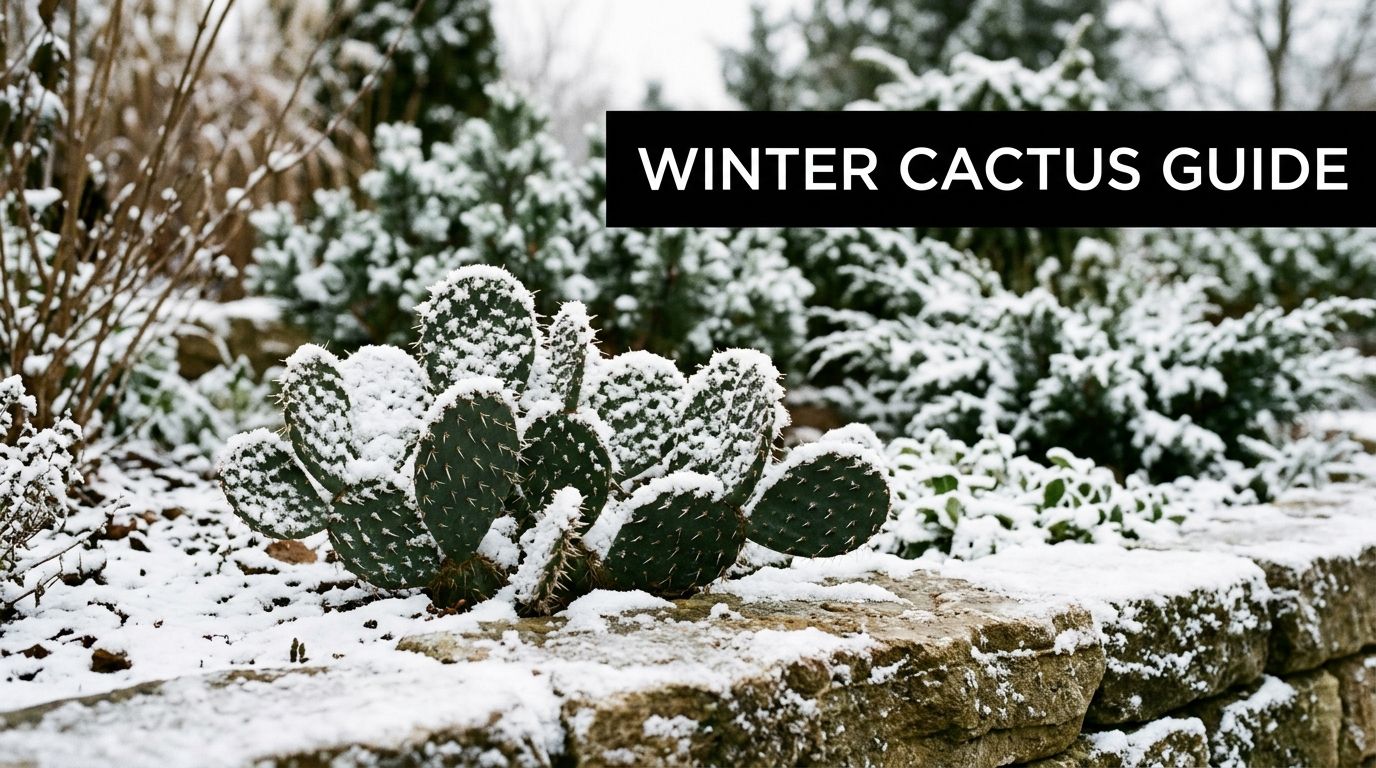
Snow around a cactus looks like a mistake only until you understand the plant.
Cold-hardy cacti are not oddball exceptions. They are outdoor plants from dry, high, and often windy places where winter is part of normal life. The gardeners who succeed with them are usually the ones who stop asking, "Will cold kill it?" and start asking better questions about drainage, sun, and timing.
A good comparison is lavender on a wet clay slope versus lavender in fast-draining gravel. Same plant type. Very different outcome. Cold-hardy cactus works much the same way. The plant's hardiness matters, but the planting conditions decide whether that hardiness can do its job.
What makes these cacti different
This group includes species that treat winter as a season to endure, not a disaster to avoid. Many come from regions with intense sun, lean mineral soils, and regular swings between warm days and cold nights. That background explains why they often do poorly in rich flower-bed soil but settle in well in rock gardens, gravel beds, and dry slopes.
If you have already read about planting succulents outside, you already know part of the formula. The cold-climate version is stricter. These plants want sharper drainage, less organic matter, and a planting spot that dries quickly after rain or snowmelt.
Practical rule: Treat cold-hardy cacti like mountain plants that store water, not like houseplants that need pampering.
That one shift in mindset helps a lot.
Why gardeners lose them anyway
The usual problem is not low temperature by itself. It is a bad pairing of cold and trapped moisture. Water sitting around the crown or roots in winter acts like a wet glove in freezing weather. Even a hardy plant struggles in that setup.
Many gardeners also miss a maintenance job that matters year after year. Gravel mulch is not permanent. It sinks, scatters, and gets mixed into the soil over time. Refreshing that top layer each year helps keep the crown dry, reflects winter sun, and reduces the freeze-thaw stress that can damage pads at soil level. It is a small job, but it prevents a lot of spring disappointment.
Summer care trips people up too. Not all cold-hardy cacti want the same watering pattern. Some come from monsoonal climates and can handle, or even expect, more summer moisture during active growth. Others come from regions with drier summers and are easier to rot if you water them on the same schedule. That difference rarely gets explained in basic cactus articles, yet it often separates a plant that coasts along from one that thrives.
Cold weather gardening always comes down to matching the plant to the kind of winter your yard delivers. The same principle shows up in woody plants too, and this expert guide to tree frost protection is a useful reminder that site conditions often matter as much as the temperature on the forecast.
These cacti can give a cold-climate garden strong structure, winter interest, and a little surprise. They just ask you to grow them on their terms.
How Cacti Survive Freezing Temperatures
Cold-hardy cacti don't survive winter by staying plump and juicy. They survive by doing almost the opposite.
When winter approaches, they naturally reduce their internal moisture and often shrivel. That dehydration helps prevent cells from bursting during freezing weather. Colorado State University notes that this adaptation is critical for survival in temperatures as low as -25°F, and some Opuntia varieties can survive down to -40°F when kept dry in the right conditions, as explained in this winter-hardy cactus article.
Think raisin, not grape
A grape full of water freezes hard and splits easily. A raisin has much less free water inside. It wrinkles, but it doesn't burst the same way.
A winter cactus works on a similar principle. It dehydrates itself on purpose. That's why a healthy cactus can look puckered, flattened, or even a bit purple in winter and still be perfectly fine.

Why dry soil matters so much
Many gardeners often make a mistake: they see a wrinkled cactus in autumn, assume it's thirsty, and water it. That can set the plant up for freeze damage.
If the roots keep pulling in moisture late in the season, the tissues stay too full. Then freezing weather hits, and the plant can't make the transition into its safer winter state. Wet crowns and cold soil also encourage rot.
A wrinkled cactus in winter often isn't asking for help. It's showing you that its cold-weather system is working.
How to use USDA zones without overthinking them
USDA zones tell you the general winter lows an area can experience. They're useful, but they aren't the whole story. Your yard has warm pockets and cold pockets.
A cactus near a south-facing wall, in a raised gravel bed, under some rain protection, often has a better shot than the same cactus in a flat bed that collects water. Brick walls, gravel mulch, and slopes can all create small microclimates that favor winter survival.
Try this simple checklist when picking a planting spot:
- Choose winter sun: South- or west-facing areas usually dry faster.
- Avoid low pockets: Cold air and water both settle in dips.
- Use reflected heat carefully: Walls and rock can help, especially in colder gardens.
- Watch winter moisture: A protected dry bed usually beats a fertile border.
If you're also protecting woody plants from frost, this expert guide to tree frost protection gives a useful reminder that plant survival often depends on site conditions as much as raw temperature.
Choosing the Right Cold Hardy Cactus
The hardest cactus to kill in your neighbor's yard may be the wrong one for yours.
Cold hardiness is only part of the choice. A cactus also has to match your winter moisture, your summer pattern, and the amount of room you can give it. I tell new gardeners to shop the way they would shop for winter boots. Warmth matters, but so do fit and conditions. A boot built for dry powder snow is a poor choice for icy slush. Cacti work the same way.
Start with a simple question. Does your garden have cold, dry winters, or cold, wet winters? That answer narrows the field faster than any plant tag.
Top cold hardy cactus species at a glance
| Species Name | USDA Zone | Cold Tolerance | Mature Size | Key Feature |
|---|---|---|---|---|
| Echinocereus reichenbachii | Zone 4 | Very high for a garden cactus | Compact to clumping | Reliable choice for cold gardens |
| Opuntia varieties | Zone 3 in selected forms | High, but varies by type | Varies by type | Paddle-shaped pads and fast visual impact |
| Hedgehog cactus | Zones 3 to 8 | Good in cold climates | About 6 inches tall and 1 foot wide | Useful in clusters |
| Echinocactus texensis | Suitable in very dry winter conditions | Better for careful siting | Low and rounded | Strong form, less forgiving of winter wet |
| Epithelantha micromeris | Suitable in very dry winter conditions | Best where soil stays dry | Small and delicate-looking | Better for experienced growers |
Start with the dependable growers
If you want a first success, begin with Echinocereus reichenbachii or a proven cold-hardy Opuntia from a nursery that grows plants outdoors in a similar climate. These are often the plants that teach good lessons without punishing every small mistake.
Echinocereus reichenbachii is a good teacher plant. It stays tidy, fits into small beds, and usually looks good even when planted alone. Up close, the spines and flower buds give it the kind of detail that rewards a spot near a path.
Opuntia is the opposite in habit. It spreads with pads, claims space faster, and reads clearly from across the yard. If you want bold shape from a young planting, this group earns its keep. But variation inside the group is real. One prickly pear may shrug off a hard winter, while another wants a drier or slightly milder pocket.
That is why I always tell shoppers to ask one extra question at the nursery: where was this plant grown? A cactus raised outdoors in a climate like yours usually adjusts better than one pushed along under protection.
Match the plant to your moisture pattern, not just your minimum temperature
This is the step many articles skip.
Some cold-hardy cacti come from regions with summer rain. Others come from places where summer is the dry season. That difference affects how safely they can use water once the weather turns hot. It does not change what we already covered about letting plants slow down before winter. It changes what happens in summer, during active growth.
A practical rule helps:
- Monsoonal cacti, including many Echinocereus, often accept more summer water when heat and light are strong.
- Non-monsoonal cacti, including some dry-climate specialists, prefer a lighter hand in summer and can sulk or split if kept too wet.
If that sounds technical, use a simple garden analogy. Some cacti are built for a summer thunderstorm pattern. Others are built for long dry spells with only occasional drinks. Both can be cold hardy. They just do not eat and drink on the same schedule.
This matters when choosing plants for a mixed bed. A thirsty tomato and a lavender already make poor roommates. Cold-hardy cacti can also be poor roommates if their summer water needs are very different.
Good beginner choices versus careful-grower choices
Hedgehog cactus is one of the friendlier options for a small space. It stays low, works well near the front of a bed, and looks better planted in a group than by itself. Three clustered together usually look intentional. One alone can look lost in gravel.
Then there are the plants I call "dry-seat specialists," such as Echinocactus texensis and Epithelantha micromeris. These can be rewarding, but I usually suggest them after a gardener has watched their site through a full winter and summer. They need sharper drainage, better siting, and more discipline with water.
A small cactus is not always an easy cactus.
What to check before you buy
Use this quick nursery checklist:
- Look for firm tissue. Pads and stems should feel solid, not soft or blotchy.
- Check the crown. Avoid plants with dark, sunken, or corky damage at the base.
- Read the mature habit. Clumping, mounding, and spreading plants fill space in different ways.
- Ask about summer water preference. Monsoonal versus non-monsoonal types are important in this context.
- Buy for your actual spot. A small raised gravel bed can handle fussier plants than a flat bed beside a sprinkler.
One more tip from the nursery bench. Leave room in your plan for annual gravel refreshment around the crown. Gravel mulch settles into the soil over time, especially after storms and freeze-thaw cycles. When that top layer thins out, the crown sits closer to damp soil and splashing water. Replenishing the gravel each year sounds minor, but it is one of the recurring chores that helps prevent winter crown damage and frost trouble.
A simple way to choose
If you feel torn between several good plants, use this order:
- Match the cactus to your winter moisture first. Wet-winter gardens need the most forgiving choices.
- Match summer watering style second. Keep monsoonal and non-monsoonal plants separate if possible.
- Choose size and shape last. Once the plant fits your conditions, you can decide whether you want pads, clumps, or low rounded forms.
That order saves beginners from the most common mistake. They pick with their eyes first, then spend years trying to force the plant into the wrong seat. A cactus planted in the right conditions is much easier to grow than a fancier one planted in the wrong place.
Creating the Perfect Home for Your Cactus
Cold is rarely the main problem. Wet soil is.
A cold-hardy cactus can handle serious winter weather, but it struggles when roots sit in damp ground for long stretches. I tell new growers to picture winter soil as the plant's bedroom. If that room stays cold and soggy, the cactus cannot rest properly. If it stays cold and dry, the plant has a much better chance of coming through winter in good shape.

Pick the driest, sunniest spot you have
Start by watching where water goes after rain or snowmelt. The best planting spot sheds water on its own. South-facing slopes, raised beds, berms, and the edge of a gravel path often work well because they dry faster than low, flat ground.
Rich garden beds can fool people. They grow leafy perennials beautifully, so it feels natural to plant a cactus there too. But a bed improved with compost and watered by nearby sprinklers often acts like a damp blanket in winter. For cactus, that is trouble.
If your climate has wet winters or frequent freeze-thaw cycles, give the plant extra protection from overhead moisture. A spot under the edge of a roof, beside a warm wall, or in a raised bed with excellent runoff can make a big difference. Pots need the same logic. Keep them where winter rain cannot soak the mix for weeks at a time.
Build soil that drains fast and dries evenly
Cactus soil works like a colander. Water should pass through, then air should move back in.
That balance matters more than a fancy recipe. Many garden failures happen because growers use rich potting mix alone, or they dig a hole in clay and fill it with loose soil. That creates a little bathtub. Water collects in the planting hole, then the roots sit in it.
A better approach is to build a wide area of fast-draining soil, not just a small pocket. Native soil can be part of the mix if it is not heavy clay. Add coarse mineral material such as gravel so the soil stays open instead of packing tight. After wetting it, squeeze a handful. You want a mix that crumbles apart, not one that smears like modeling clay.
For containers, drainage holes are only half the job. The potting mix has to release moisture at the right speed too. If you want a refresher on the basics, this guide to watering cactus plants explains how soil, pot size, and drying time work together.
Plant high so water moves away from the crown
Set the cactus a little above the surrounding grade. That small height difference helps water run away from the crown, which is the point where stem meets roots. If that area stays wet in winter, rot often starts there first.
This step confuses beginners because it can look like the plant is sitting too high. Usually it is not. A slightly raised planting keeps the cactus in the dry seat instead of the splash zone.
After planting, top-dress with angular gravel, not bark or compost. Gravel dries fast, reflects light and warmth, and helps keep the crown from touching damp soil. Organic mulch does the opposite. It holds moisture where you want dryness.
A helpful visual can make the planting process easier:
The yearly maintenance job that protects winter survival
Here is the step many articles skip. Gravel mulch is not permanent.
Over time, rain, irrigation, and freeze-thaw cycles pull that gravel downward. The top layer gets thinner, the crown sits closer to damp soil, and splashing water reaches parts of the plant that should stay dry. That is why experienced growers refresh the gravel around each cactus every year. It sounds minor. It prevents a lot of winter losses.
High Country Gardens also recommends renewing that gravel layer to help maintain crown protection and frost resistance in cold climates, in this guide to growing cold-hardy cacti and succulents.
One last workshop tip. Group plants by site and soil first, then fine-tune watering later. That matters even more if you grow both monsoonal and non-monsoonal cacti, since the wrong bed can stay too wet for one group and too dry for the other once summer arrives.
Watering Schedules for a Thriving Cactus
Winter cold gets blamed for many cactus losses. Water is often the primary cause.
Cold-hardy cacti do not want the same moisture level all year, and they do not all follow the same summer pattern. That is the part many gardeners miss. A cactus can handle cold far better than soggy roots heading into cold weather. Soil that stays wet acts like a cold, heavy blanket around the roots and crown. Dry, airy soil acts more like a well-ventilated winter coat.
The seasonal pattern to follow
Treat watering as a yearly cycle, not a fixed calendar chore. In spring, start again when the plant shows signs of waking up and the soil is warming. In summer, water thoroughly, then wait until the soil dries well before watering again. In autumn, reduce water gradually so the plant can slow down and prepare for dormancy. In winter, keep most cold-hardy cacti on the dry side.
Dormancy confuses a lot of gardeners. The plant is not dead or stalled out from poor care. It is resting and conserving energy, much like a bear using less fuel during winter. During that rest period, extra water does not help. It raises the risk of rot.

A simple way to remember it:
- Spring: Resume watering as growth starts and nights become less severe.
- Summer: Water thoroughly, then let the mix dry well.
- Autumn: Space out watering more and more.
- Winter: Keep the plant mostly dry, especially in cold, wet climates.
If you want a broader primer on technique, this guide to watering cactus plants is a useful companion to seasonal planning.
The summer detail that changes results
Some cold-hardy cacti come from regions with summer rains. Others come from regions where summer stays much drier. That background shapes how they want to be watered.
Non-monsoonal species usually prefer a lighter hand once they are established. They often grow best when watered in spring and early summer, then kept relatively dry through the hottest part of late summer unless conditions are unusually harsh. Monsoonal species are different. They are adapted to receiving more moisture in late summer, especially from July into early fall.
This explains why one cactus may plump up and grow after an August watering while another sulks or starts to rot in the same bed.
Cold Hardy Cactus explains this monsoonal versus non-monsoonal split clearly in its cold-hardy cactus care guide.
How to use that information in a real garden
You do not need to memorize plant geography. You just need to ask one smart question when you buy a plant. Does this species expect summer rain, or does it prefer a drier summer rest?
If the answer is non-monsoonal, avoid the habit of frequent late-summer watering just because the weather feels hot to you. If the answer is monsoonal, do not assume every dry spell is good for it. Matching the plant's native rhythm is like matching shoes to the job. Hiking boots work well on a trail and poorly in a swimming pool.
One more practical point. Replenishing gravel mulch each year affects watering success too, not just winter survival. As the gravel layer sinks, water splashes closer to the crown and the surface stays damp longer. A fresh layer helps water move away from the base of the plant and lowers frost risk later on.
If you are planning separate beds for plants with different summer moisture needs, this garden plot planning guide can help you map that out before you plant.
Late-summer warning: Many winter losses start with extra water in the wrong month.
Designing and Troubleshooting Your Cactus Garden
A cold-hardy cactus garden looks best when you design it like a rock garden with a strong backbone, not like a collection of rescue plants tucked into spare corners. The goal is structure first, cactus second. Once you see it that way, layout choices get much easier.

Start by building in layers. Use stone, gravel, and a few repeating plant forms to make the bed feel settled year round, even when the cacti are resting through winter. Low clumping species can fill the foreground. One or two upright companions, such as yucca or a narrow grass, give height. Creeping sedums or other dry-loving groundcovers can soften the gaps between rocks.
Small cacti usually look better in groups than as lonely single plants. A cluster reads clearly from across the yard, the same way a few lanterns along a path show up better than one tiny light by itself.
Design ideas that hold together
A few layouts work well for beginners because they match how these plants grow and how water moves through the site:
- Gravel island bed: Group low cacti in pockets between rocks so water sheds away from the crowns.
- Dry border insert: Use the hottest, fastest-draining edge of an existing sunny bed for a small cactus section.
- Container grouping: Set shallow pots together where you can control winter wetness more closely.
If you are mapping a larger planting, this garden plot planning guide can help you organize dry zones, paths, and plant spacing before you start hauling stone and soil.
One design detail gets ignored in many articles. Refresh the gravel mulch around your cacti every year. Gravel slowly sinks into the soil or gets scattered during cleanup and storms. When that top layer gets thin, the crown sits closer to damp soil, splashback increases, and winter damage becomes more likely. A fresh layer works like a dry collar around the plant base.
Troubleshooting problems without guessing
Cold-hardy cacti often look strange in winter. They may shrink, wrinkle, lean, or darken in color as they settle into dormancy. New growers often mistake that for failure, but it is often the plant protecting itself by reducing water in its tissues, much like a garden hose that is drained before a freeze.
Rot looks different.
Watch for these signs:
- Mushy tissue: Healthy winter shrinkage feels firm. Rot feels soft.
- Bad smell: Dormancy has no odor. Decay often does.
- Blackening at the crown: This usually points to trapped moisture near the base.
- Sudden collapse after rain or thaw: Check whether water is pooling or splashing back onto the plant.
If rough weather is coming and you want broader ideas for covers, site shelter, and exposure, this frost protection for plants guide gives useful protection methods you can adapt for a cactus bed.
A simple workshop test for garden problems
When a cactus looks off, pause before you water, dig, or move it. Ask four questions:
- Is the plant firm or mushy?
- Is the crown sitting above the surrounding soil and gravel, or has it sunk?
- Has the gravel mulch thinned out since last year?
- Did this problem show up after wet weather, not just cold weather?
That short checklist catches a surprising number of problems. In my experience, many losses blamed on cold begin with moisture sitting too long at the crown. Good design prevents half the troubleshooting. The other half comes from learning what normal winter dormancy looks like so you do not try to "fix" a plant that is resting.
Frequently Asked Questions
Can I grow cold-hardy cacti in a wet climate?
Yes, but you'll need to control winter moisture. Raised beds, gravel-heavy soil, and protection from constant rain matter more in wet climates than in dry ones. Containers placed under eaves or roof overhangs can also work well because you control saturation better.
My cactus turned purple and shriveled in winter. Is it dead?
Probably not. Cold-hardy cactus often dehydrate and change appearance as part of winter survival. If the plant is still firm and not mushy, leave it alone and resist the urge to water. Spring growth will tell you more than winter appearance will.
Do I need to cover my cactus if it snows?
Not always. Snow itself isn't usually the main problem. Wet, poorly drained soil is worse. In some gardens, snow can even insulate the plant for a short period. What matters most is whether the crown stays wet and whether the soil drains quickly.
Can I grow them in pots?
Yes. Pots are a good option if your native soil is heavy or your climate is rainy. Use a fast-draining mineral mix, keep the crown high, and place the pot where winter rain doesn't keep it soaked.
Should I fertilize them a lot to help them grow faster?
No. Steady, restrained feeding during the growing season is more useful than pushing soft growth. Cold-hardy cacti do better when growth is sturdy and the plant can harden off properly before winter.
What's the biggest beginner mistake?
Overwatering at the wrong time of year. The second biggest is planting in soil that stays wet.
If you're ready to try cold hardy cactus plants in your own garden, The Cactus Outlet is a practical place to browse cactus and succulent selections, compare plant types, and learn more before you plant.