

You've found the right property, chosen the planting bed, and decided that a small starter plant won't deliver the architectural impact you want. Then you search for a mature cactus for sale and discover that the decision isn't species or price. You also need to judge health from photographs, understand how a large plant will travel, confirm whether regulations affect delivery, and prepare a site that can support the specimen once it arrives.
A mature cactus can transform a patio, entry court, privacy screen, or drought-tolerant garden immediately. It can also become an expensive mistake if the plant has hidden root damage, poor structural form, unsuitable cold tolerance, or inadequate shipping preparation. The recommendations below focus on what separates a strong online purchase from a risky one.
What Makes a Cactus Mature and Why It Matters
A cactus isn't mature merely because a listing uses the word “large.” For a buyer, maturity should mean an established root system, stable growth, and specimen-grade presence. A plant with a firm base, balanced form, and enough size to anchor a setting has already passed through the vulnerable early stage that makes small plants feel temporary.
Consider a homeowner redesigning a bare gravel courtyard. A young columnar cactus may eventually become the focal point, but it won't create that vertical structure today. A mature specimen can define the space as soon as it's planted, while a broad, established cluster can function as a visual barrier or privacy screen without waiting years for the space to fill in.

The practical advantages
Immediate scale is the main reason buyers choose mature cacti. Large specimens provide height, silhouette, and visual weight that smaller plants can't replicate. They're particularly useful for finished projects, commercial entrances, pool surrounds, and patios where the planting needs to look intentional from the start.
Established plants may also give you a clearer picture of the specimen's eventual character. You can evaluate the trunk, branching pattern, symmetry, spine coverage, and overall stance before purchase rather than guessing how a juvenile plant will develop.
The trade-off is straightforward. Mature cacti require more careful handling, more substantial planting or container support, and more specialized transportation. Historical enforcement records show why unusual mature specimens can attract high prices. In one Italian seizure, 1,019 cacti were confiscated, with some plants entering Europe and Asia at USD 500 to USD 1,500 each; other trafficking reports described rare individual cacti selling for more than USD 10,000 (New York Times reporting on cactus trafficking).
Practical rule: Buy maturity for the result you need now, not simply because a larger plant sounds impressive. The larger the specimen, the more important health, handling, and site preparation become.
Health Indicators to Check Before Buying
A polished listing photo isn't enough. Before buying a large cactus online, inspect the plant as if you were standing beside it in a nursery. You're looking for evidence of firm tissue, sound structure, established roots, and careful handling.

Start with the body
The skin should look firm and consistent for the species. Avoid visible soft spots, deep wrinkles, unexplained collapse, or localized discoloration. A cactus may show normal scarring from age or handling, but a fresh-looking bruise, split, or sunken patch deserves a direct question before you place an order.
Color matters because uneven yellowing or darkening can indicate stress. Don't expect every specimen to have a uniform bright green color, especially among naturally blue, gray, or glaucous types. Instead, look for color that fits the species and remains reasonably consistent across the body.
Examine the base and roots
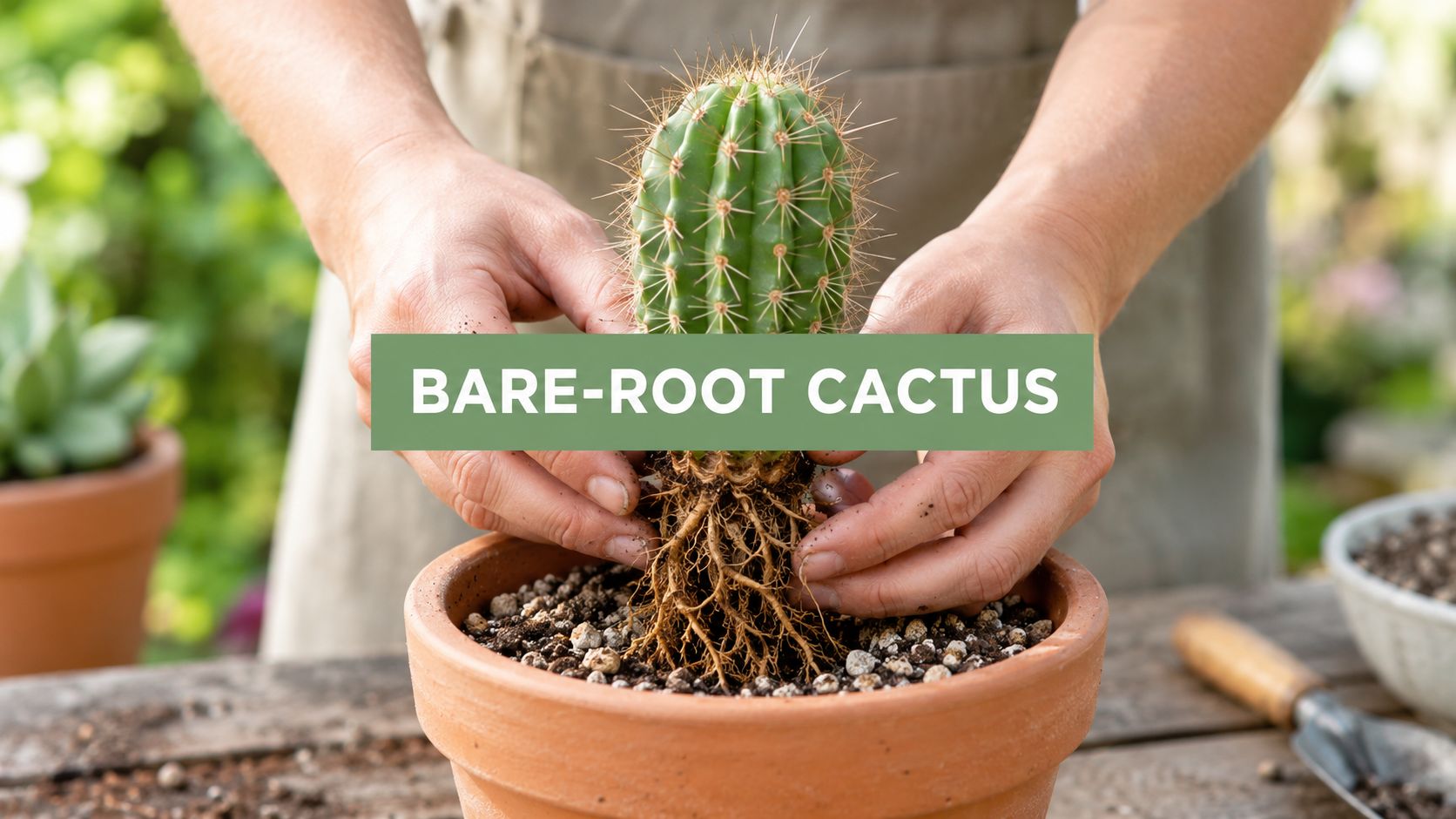
The base should support the plant without looking wet, sunken, or unstable. If a nursery provides bare-root photographs, healthy roots should appear white to light tan, not black or visibly decayed. A bare-root plant also needs to be dry before packing, because trapped moisture around roots can create problems during transit.
Look closely at the stance. A tall cactus should appear properly supported and proportionate, not sharply leaning from a damaged base. Mechanical injuries often occur during lifting, loading, or poor packing. A scar may be cosmetic, but a crack that affects the main stem is a structural concern.
Demand useful evidence
A serious listing should show the actual plant whenever the specimen is individually selected. Ask for current images, approximate dimensions, container status, and a condition report if the photographs don't answer those questions. Be cautious with listings that rely only on generic stock photography, hide the base, or use angles that make scale impossible to judge.
Early pest evidence can appear around areoles, ribs, joints, or protected crevices. You don't need a diagnosis from a photograph to make a decision. You need enough visibility to determine whether the seller has inspected the plant and can describe its condition.
Popular Mature Cactus Species for Landscaping and Containers
A mature cactus can anchor an entrance, fill a patio container, or define a gravel bed, but each placement demands a different form. Match the plant to available space, exposure, and winter conditions before judging its appearance. The USDA Plant Hardiness Zone Map provides the standard reference for regional climate, while published cactus examples range from USDA zones 4 through 11, depending on species.
Use the table as a starting point, not a guarantee. Verify the individual listing, mature dimensions, and local conditions before planting outdoors. Large specimens are expensive to relocate when the chosen site proves too exposed or too small.
Mature Cactus Species Comparison
| Species | Mature Height | USDA Zones | Best Use |
|---|---|---|---|
| Saguaro cactus | Large architectural specimen, height varies by plant | Confirm listing and local climate | Signature focal point, entrance, desert garden |
| Peruvian Apple cactus | Tall columnar form, height varies by plant | Confirm listing and local climate | Vertical accent, screen, large-scale planting scheme |
| Golden Barrel cactus | Rounded specimen, height varies by plant | Published zone depends on species and source | Patio container, gravel garden, sculptural grouping |
| Senita cactus | Mature specimen dimensions vary by listing | Confirm listing and local climate | Collector display, desert focal point, architectural planting |
| Cold-hardy cactus types | One guide lists examples reaching 6 feet and tolerating 28°F; another describes survival as low as -20°F | Some options suit USDA zones 3 through 8 | Outdoor borders, rock gardens, cold-climate gardens |
Match form to placement
Saguaro and Peruvian Apple types suit buyers who need height and a strong vertical line. Give them open space, full sun appropriate to the plant, and sufficient clearance from walls, walkways, and rooflines. Check the shipped specimen's actual height and support needs, since a mature cactus can dominate a narrow entrance or become difficult to handle after delivery.
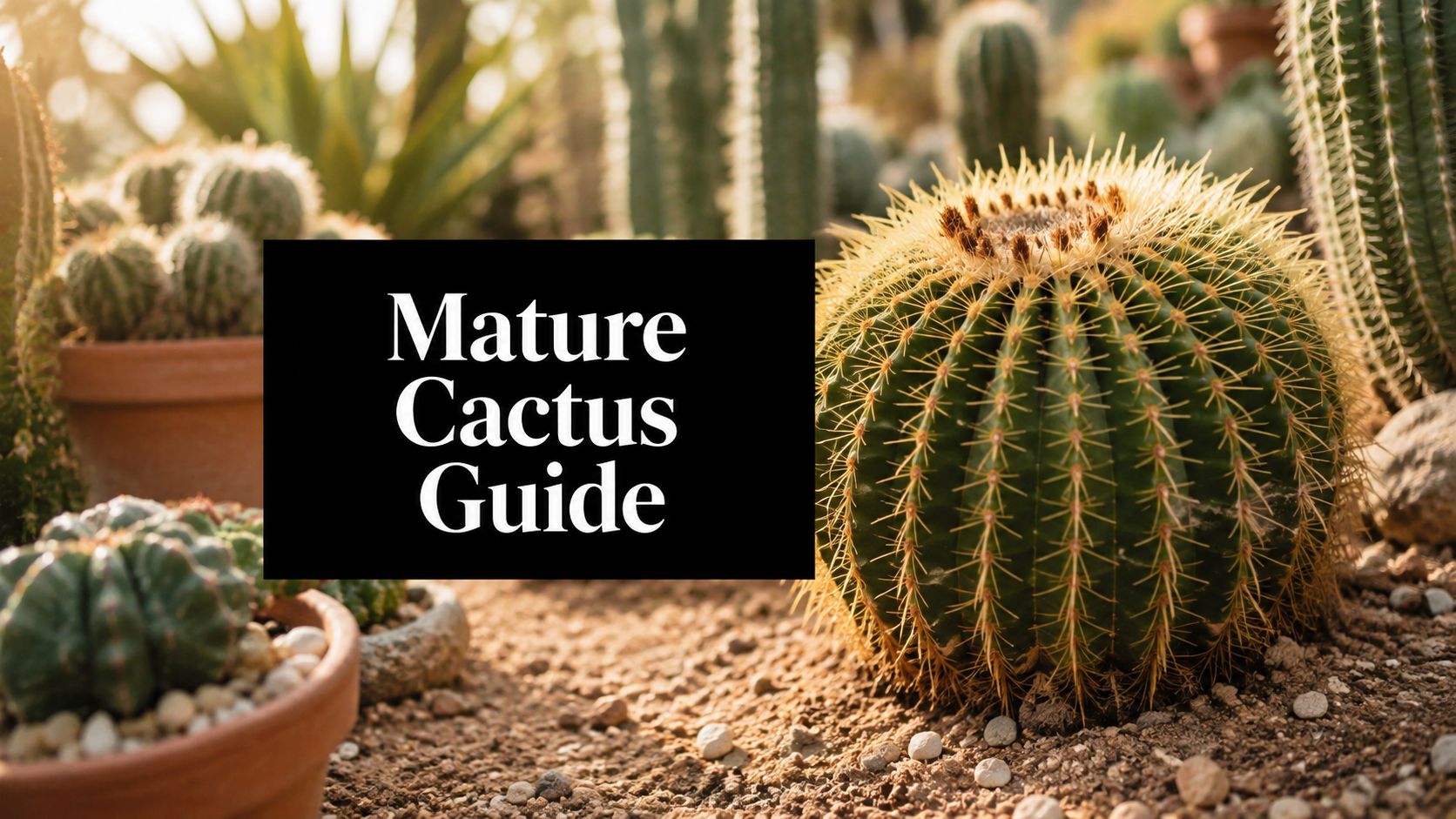
Golden Barrel works better in a container, entrance grouping, or low focal point. Its rounded shape pairs well with gravel, stone, and architectural paving. Choose a stable container with drainage, and keep a heavy specimen away from busy foot traffic where it could be knocked over.
Senita deserves room for its form to remain visible rather than crowded among competing plants. Cold-hardy types offer more options for outdoor borders and rock gardens, but confirm the specific plant's rating instead of relying on a category label. The Cactus Outlet's large cactus collection can help buyers compare available forms for garden and container use.
Shipping and Delivery Expectations for Large Specimens
Large cactus shipping is a specialized logistics job, not ordinary parcel delivery. The standard approach is usually bare-root and dry, because soil adds weight, shifts during handling, and can hold moisture against roots. Guidance for shipping cacti recommends removing soil, drying the root area, protecting the stem, and immobilizing the plant in a breathable package (cactus and succulent shipping guidance).
How nurseries prepare the plant
The preparation usually follows a controlled sequence:
- Unpotting: The nursery removes the plant from its container and clears loose soil from the roots.
- Drying: Roots remain dry before wrapping. Cuttings, when applicable, need callused surfaces before packing.
- Protection: Breathable paper, padding, and rigid support protect the body and root area.
- Immobilization: The packer prevents the specimen from rolling or shifting inside the box or crate.
- Temperature planning: Insulation or heat packs may be used for winter shipments when conditions require them.
A commercial succulent retailer also reports using bare-root delivery for many plants displayed in 4-inch or larger pots, demonstrating that soil-free shipping is an established online nursery practice rather than an unusual shortcut (commercial succulent shipping practices).

Parcel versus freight
A manageable specimen may travel by parcel carrier in a reinforced box. A heavier or unusually shaped cactus may require freight handling, a crate, delivery coordination, or equipment that can move the plant safely from the truck. Don't assume the delivery method from the product name alone. Ask how the specimen will be packed, whether it ships potted or bare-root, and what access the carrier needs at your address.
A healthy cactus can tolerate 7 to 14 days in transit when dehydrated and packed correctly, according to independent shipping guidance (cactus transit and regulatory guidance). Temporary dehydration or minor movement isn't automatically a failure. Soft tissue, a broken main stem, severe crushing, or unexplained rot is a different matter and should be documented immediately with photographs.
For a visual overview of large-plant handling, watch this large cactus shipping video.
Buyers comparing preparation details can also review this guide to buying a large cactus before ordering.
Acclimating and Planting Your Newly Delivered Cactus
The first mistake after delivery is rushing. A cactus that has spent days in a dark package needs inspection and adjustment before you expose it to intense outdoor sun or soak the roots.
Unpack in the right order
Open the package in a clean, shaded area. Support the plant by its padded body or stable structural points, never by a branch, tip, or fragile growth. Photograph the packaging and plant before removing protective material if you see damage.
Check the base, roots, and stem. Look for crushing, fresh cracks, soft tissue, or a plant that can't stand securely. If the specimen arrived bare-root, keep the roots dry while you prepare the planting site or container.
Place the cactus in bright shade first. After it has settled, introduce stronger light gradually rather than moving it directly from a box into harsh afternoon sun. The exact acclimation period depends on recent growing conditions, season, and destination, but patience is safer than forcing a fast transition.
Planting outdoors
Prepare a fast-draining site before delivery. Remove compacted soil, create a broad stable planting area, and position the cactus at the same general depth it occupied before shipping. Don't bury the stem to make a tall specimen appear more stable. Instead, stabilize the root zone with appropriate backfill and temporary support.
Delay the first watering until the roots and any handling wounds have had time to dry. Watering immediately after rough transit can trap moisture around damaged tissue. Once the plant is settled, use a measured watering approach suited to the species and local weather, never a routine that keeps the soil continuously damp.
For container planting, choose a pot with drainage and enough weight to balance the plant. Match the container shape to the cactus, using a taller, narrower form for columnar plants and a broader, stable vessel for spreading or rounded specimens. The guide to planting cactus in pots covers the container process in more detail.
Understanding Pricing and Value for Mature Cacti
The price of a mature cactus reflects more than age. You're paying for the time the nursery has invested, the space the plant occupied, the quality of its form, the difficulty of lifting it, and the risk involved in getting it to you intact.
What raises the price
Size and age matter because a large specimen has required sustained nursery care and occupied valuable growing space. A tall cactus also demands more labor during moving, loading, packing, and installation.
Species and rarity influence the market, especially when a plant is difficult to source legally or has a distinctive growth form. The international trade analysis cited by CITES found nearly 29.2 million epiphytic cactus specimens reported across seven genera between 1976 and 2010, with 98.7% recorded as artificially propagated (CITES international cactus trade analysis). That distinction matters. Nursery propagation supports legitimate supply, while wild collection can create legal and environmental risk.
Form quality is another major factor. A balanced crown, clean branching, sound base, and strong silhouette can justify a premium over a similarly sized plant with awkward lean or extensive damage.
Judge value by the finished result
A smaller plant may cost less today, but it also delivers less immediate structure. Waiting for a young cactus to reach scale requires time, space, and continued care. A mature specimen can make sense for a completed design, a staged property, a commercial installation, or a buyer who values immediate presence.
Shipping can change the comparison completely. A large cactus occupies more dimensional space and needs more protection, so the delivered cost matters more than the product price alone. Ask what the price includes, how the plant ships, whether the pictured plant is the actual specimen, and what support is available if it arrives damaged.
The Cactus Outlet's explanation of why large cacti and succulents cost more is useful context when comparing mature plants with smaller retail stock.
Legal and Regulatory Considerations for Cactus Buyers
A large cactus can clear checkout and still stop at the state line. Online purchases may involve CITES restrictions, phytosanitary documents, and state agricultural quarantine rules. These requirements can determine whether the plant enters your jurisdiction, which papers accompany it, and whether the seller can release it on schedule.
Buy documented nursery-propagated stock. For protected species, unclear wild collection history creates legal and environmental risk, while traceable propagation gives you better records if a shipment is questioned. The CITES cactus trade analysis supports that preference by documenting artificially propagated specimens in the examined trade. A low purchase price loses its value if authorities hold the plant or reject its entry.
Questions to ask before ordering
- Species identification: What is the exact botanical name, and does it fall under CITES controls?
- Propagation history: Was the plant nursery-propagated, and can the seller document its source?
- Shipping destination: Do quarantine rules affect delivery to your address?
- Certificates and permits: Will the shipment require APHIS-related paperwork, a phytosanitary certificate, or CITES permits?
- Responsibility: Who prepares the documents and contacts you about delays?
Check requirements with the agricultural authority serving your destination before payment. State rules vary by plant category and destination, and the seller should confirm how those rules affect this specific specimen. A reputable nursery explains restrictions before dispatch, not after a carrier has collected the cactus. Keep the species name, source records, and seller's written shipping guidance with your purchase documents.
Making Your Purchase with Confidence
A successful mature cactus purchase follows a simple order of priorities. Suitability comes before appearance, health comes before price, and shipping preparation comes before checkout. If the plant can't tolerate your climate or the seller can't explain how it will travel, don't order it.

Use this final screening process:
- Confirm the setting. Check the plant's published cold-hardiness information against your USDA zone, then assess sun, drainage, clearance, and container stability.
- Verify the specimen. Make sure the photographs, dimensions, form, and condition describe the plant you'll receive.
- Review the roots and structure. Reject listings that hide the base or provide no meaningful condition information.
- Clarify delivery. Ask whether the cactus ships bare-root, how it's immobilized, and whether parcel or freight service is appropriate.
- Prepare before ordering. Have the container, drainage material, planting area, support equipment, and shaded acclimation space ready.
A mature cactus is a landscape decision, not an impulse purchase. The right specimen arrives with its condition understood, its delivery method planned, and its planting site ready.
The Cactus Outlet offers large cacti alongside agaves, aloes, euphorbias, and other succulents for online buyers comparing established specimens. Visit The Cactus Outlet to review available plants, confirm the details that matter for your site, and contact the nursery before ordering if you need help matching size, form, and delivery requirements.