

Your agave just arrived, or you spotted one at a nursery and brought it home because the shape stopped you in your tracks. The leaves were tight, the silhouette was clean, and it looked indestructible. Then the doubts start. Pot or ground? Full sun right away or ease it in? Water now or leave it alone?
That uncertainty is where most agave failures begin.
Agaves are tough, but they’re not forgiving of the wrong kind of care. Most losses come from good intentions: rich soil, frequent watering, mulch packed around the crown, or a planting spot that stays damp after rain. In dry climates, those mistakes usually show up fast. In humid climates, they can take months to reveal themselves, which is why so many gardeners think the plant was doing fine until winter finished it off.
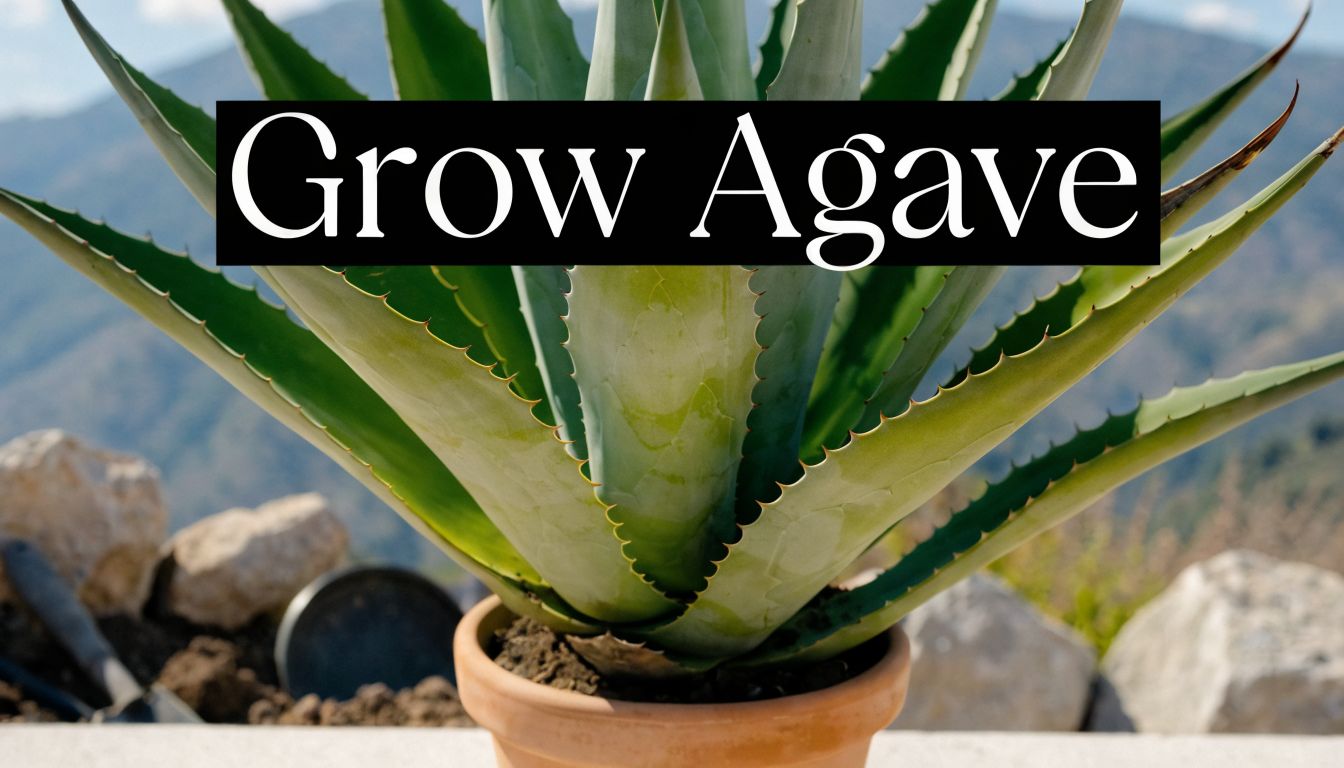
Knowing how to grow agave plants comes down to reading what the plant is built for. Agaves want light, air around the crown, sharp drainage, and long dry intervals between drinks. Give them that, and they become some of the most dependable structural plants you can grow. Ignore it, and even an expensive specimen can collapse from the base.
Choosing Your Perfect Agave
A lot of people choose agave by leaf color alone. That’s understandable. A silver-blue rosette or a variegated form can make a patio or entry planting look finished in one move. But the right agave is less about the prettiest plant on the bench and more about where that plant will live for years.
A small patio pot needs a different agave than a roadside berm. A collector who wants clean symmetry has different priorities than a grounds professional planting a tough focal point. The fastest way to get this right is to decide what job the plant needs to do before you buy it.
For inspiration, it helps to browse the broader world of agaves and pay attention to form, margin teeth, color, and mature habit rather than shopping by name alone.
Match the plant to the place
The usual mismatch goes like this. Someone buys a bold, broad agave for a narrow walkway, or they put a softer-looking compact type into a large open bed where it disappears. Another common mistake is forgetting that spines matter. An agave that looks dramatic in a photo can be miserable beside a front door, pool edge, mailbox, or path where sleeves and skin keep finding the leaf tips.
Use these filters first:
- Space around the rosette: Agaves look better with breathing room. If the leaves are going to press against walls, shrubs, or foot traffic, pick a smaller species.
- Traffic level: Strong terminal spines and toothed margins are a design feature until they’re at shin height next to a walkway.
- Climate pressure: In dry heat, many agaves perform with little fuss. In humid regions, compact plants with excellent drainage and good air movement tend to be easier to manage.
- Container life: Some agaves hold a handsome form in pots for a long time. Others outgrow containers or become awkward to handle.
Practical rule: Choose the agave you can site correctly, not the one you hope to keep small with neglect.
Popular Agave Species at a Glance
| Species Name | Max Size (Height x Width) | USDA Hardiness Zone | Best For |
|---|---|---|---|
| Agave parryi | Varies by form | Zone 5 and warmer | Colder gardens, gravel beds, architectural planting |
| Agave americana | Large specimen | Zones vary by site and protection | Big landscapes, statement plantings, dry slopes |
| Agave tequilana | Medium to large | Warm outdoor sites | Collectors, warm-climate gardens |
| Agave striata | Smaller, finer texture | Warm outdoor sites | Collectors, contrasting texture in containers |
| Agave parryi truncata | Compact to medium | Cold-tolerant placements with drainage | Specimen pots, refined xeric design |
| Agave Blue Glow | Compact to medium | Mild climates or protected spots | Patio containers, modern landscapes, entry focal points |
Not every listing needs exact measurements to be useful. For agaves, what matters most is whether the plant stays compact, throws a broad dangerous skirt of leaves, handles cold, or adapts well to containers.
What experienced growers look for
A seasoned buyer checks structure before size. The best young agaves have a centered rosette, firm leaves, and a crown that looks dry and clean. Cosmetic blemishes on an outer leaf matter less than softness at the base. If the center looks weak or stretched, walk away.
Look for these signs:
- Tight growth: A compact rosette tells you the plant has had enough light.
- Firm leaves: They should feel substantial, not mushy near the base.
- Dry crown: Wet debris trapped in the center is a warning sign.
- Balanced shape: A lopsided agave may have been grown under uneven light.
Choose by goal, not impulse
If you want a long-term container specimen, choose something that keeps proportion and doesn’t force a repot every season. If you’re planting a median strip or a large dry bed, bigger species make sense because they carry the visual weight. If you live where air stays muggy for long stretches, lean toward plants you can set on a stand, inspect easily, and move if weather turns ugly.
That’s the secret. Successful agave growers aren’t lucky. They start by refusing the wrong plant for the wrong spot.
Creating the Ideal Agave Habitat
A healthy agave often gets ruined before planting day. The usual culprit is a site that stays wet too long, traps humidity at the crown, or bakes a greenhouse-grown plant before it has adjusted.

Pick the site before you pick up the shovel
Start by deciding how much control you need. In dry western climates with fast-draining soil, many agaves settle in well in the ground and stay there for years with little intervention. In humid regions, rainy winter areas, or gardens with heavy clay, containers and raised beds give far better odds because you can control drainage and keep the crown out of trouble.
That trade-off matters.
Ground planting gives a more prominent garden feature and less routine upkeep once the plant is established, but only if water moves away from the base quickly. Containers dry faster, let you adjust the soil, and make it possible to shift a plant out of extended rain, but they also need closer attention in hot weather.
Use this rule set:
- Choose containers if your soil holds water, your winter weather is wet, or you may need to move the plant for cold or storms.
- Choose in-ground planting if the spot is raised, open, gritty, and isolated from lawn or flower-bed irrigation.
- Choose raised berms or mounds if you want an in-ground look in a humid or imperfect site.
If cold is part of your setup, study cold hardy agaves for landscape use before you commit a plant to the ground.
Soil decides whether roots hold or rot
Agaves want air around the roots as much as they want water. A good mix drains fast, dries at a reasonable pace, and still has enough body to anchor the plant.
For containers, I get the best long-term results from a mineral-heavy blend rather than standard potting soil. A simple starting point is equal parts potting mix and grit, pumice, or perlite. In very humid climates, increase the mineral portion. In very hot, dry climates, keep enough organic material in the mix so the root ball does not flash-dry after every watering.
What fails is predictable. Dense bagged potting soil stays wet too long. Pure compost settles and compacts. Garden clay in a pot turns into a slow-draining plug.
Good agave soil should feel coarse in your hand and drain fast after a full soak.
What works in pots and what doesn't
A strong agave mix is not the same thing as loose rubble. Beginners sometimes overcorrect and plant into a dusty, unstable blend that sheds water off the sides and leaves the plant wobbling. Roots need oxygen, but they also need contact with the mix.
A practical filter helps:
- Usually works well: cactus mix amended with pumice or grit, potting soil cut heavily with mineral material, sharply drained raised beds
- Usually causes trouble: straight peat-heavy potting mix, decorative outer pots without drainage, mulch packed against the stem, low spots where runoff collects
Topdressing matters too. Gravel around the crown keeps the base cleaner and dries faster than bark or shredded mulch, which can hold moisture where agaves are most likely to rot.
Containers that help instead of hurt
Pot shape changes moisture retention more than many gardeners expect. Agaves usually prefer broad, shallow containers because the root system is relatively shallow and the mix dries more evenly from top to bottom.
Material matters:
- Unglazed clay suits humid climates because it releases moisture through the pot wall.
- Plastic holds moisture longer and can be useful in hot inland gardens where roots dry too fast.
- Oversized pots stay wet around unused soil, which is one of the easiest ways to lose a young agave.
Drainage holes are required. One hole is good. Several are better.
New arrivals need time to adjust
A shipped agave has been boxed, jostled, and held in lower light than it wants. If it goes straight from the carton into hot afternoon sun, leaf scorch is common. If it gets planted while the base is soft from transit stress, rot can start before roots even recover.
Set new plants in bright shade or morning sun first. Check the crown, check the base, and let damaged roots dry and callus if needed before planting.
When unpacking, pay attention to these signs:
- Shifted soil or broken feeder roots: common, usually minor
- Soft tissue at the base or crown: a real warning sign
- Scuffed leaves or dust from shipping: cosmetic, not a health issue
Humid climates need a different habitat
This is the point many agave guides skip. An agave that grows cleanly in Arizona can struggle in the Gulf Coast, the Southeast, or any garden where nights stay damp and air movement is poor.
In arid climates, the challenge is usually sun exposure and winter cold. In humid climates, the bigger risk is moisture that lingers in the crown, between leaves, and around the root zone. That changes how you should build the planting area.
For humid gardens:
- Raise the root zone with a mound, berm, or sloped bed
- Keep the crown exposed and free of mulch or leaf litter
- Avoid sprinkler overspray and keep agaves out of mixed irrigation zones
- Give the plant space so air can move around the rosette
- Use faster-drying pots and more mineral soil than you would in a desert climate
A good agave site looks spare because spare is safer. Open ground, fast drainage, and a dry crown solve more problems than fertilizer ever will.
The Art of Planting and Establishment
A lot of agaves are lost on planting day, not years later. The usual pattern is simple. The plant goes in a little too deep, gets watered like a perennial, then sits wet at the base until the crown starts to fail.

Start with the crown in mind
Set the agave high enough that the crown stays above the surrounding soil. That single decision prevents more losses than any fertilizer, soil additive, or transplant tonic.
Dig a hole wider than the pot, but no deeper than the root ball. Agaves root outward faster than they root down, and a deep hole often settles into a low spot that holds water. In dry climates, that can slow establishment. In humid climates, it can rot the base before the plant has a chance to anchor.
Check the roots before the plant goes in. If they are circling hard around the pot edge, loosen the outer layer with your fingers. If the root ball is stable and healthy, leave most of it intact. I do not rough up agaves for the sake of it. Damaged succulent roots are slower to recover than many gardeners expect.
How the planting actually goes
Place the plant in the hole and step back before you backfill. Large agaves are architectural plants, and the angle matters. A good specimen should face the main viewing area, and in rainy gardens it often helps to give it a slight lean so water sheds away from the center instead of collecting there.
Then backfill in lifts, pressing the soil in firmly by hand so the plant does not wobble. Firm is enough. Hard-packed soil around a fresh agave slows drying and reduces the air spaces new roots need.
Use this sequence:
- Dry-fit first: set the plant in place and confirm the final crown height
- Plant slightly proud: the top of the root zone should sit a bit above grade
- Correct for climate: in arid regions, level planting usually works well; in humid regions, a slight mound or tilt is safer
- Finish with mineral topdressing: gravel or crushed stone keeps the base cleaner than bark or compost mulch
A properly planted agave often looks a little exposed. That is usually a good sign.
The first month is different from long-term care
Freshly planted agaves need enough water to settle the root zone and encourage new roots to move out. They do not need a fixed calendar that ignores weather, soil, and temperature.
Water thoroughly right after planting. After that, let the root zone dry partway before watering again. In hot, dry ground, that may mean watering sooner while the plant is establishing. In humid weather, cool conditions, or heavier mineral soils, the gap between waterings should stretch out.
Watch the base and the center of the rosette. A firm plant that looks slightly stalled is usually adjusting. A plant that softens at the base, leans suddenly, or stays wet for days is warning you that the site is holding too much moisture.
A visual walkthrough can help if you’re planting your first specimen or moving from pots to garden beds.
What not to do after planting
The biggest mistakes come from treating agave like a thirsty bedding plant.
Avoid these right away:
- Don’t bury the crown with mulch: organic mulch against the base traps moisture and hides early rot
- Don’t water lightly every day: shallow watering keeps the surface damp and encourages weak surface rooting
- Don’t crowd the plant: nearby shrubs, groundcovers, and drip emitters can keep the agave’s base wetter than it should be
- Don’t fuss with fertilizer at planting time: root recovery matters more than pushing top growth
- Don’t ignore regional conditions: a planting method that works in Arizona often needs adjustment in Florida, the Gulf Coast, or any garden with warm, damp nights
Establishment is mostly restraint. Get the height right, keep the crown dry, and let the plant root on its own timetable.
Mastering Agave Care and Seasonal Needs
Once an agave is established, care gets simpler. The challenge isn’t doing more. It’s resisting habits that work for other garden plants and fail here.
The three pillars are light, water, and restraint. Most agaves want strong sun, infrequent deep watering, and very little feeding. The exact balance shifts depending on whether you grow in a dry inland climate or a humid region where winter moisture is the primary challenge.
Sunlight shapes the plant
Agaves need real sun, not bright shade described optimistically. They require at least 6 hours of direct sunlight daily for optimal growth, and they thrive in USDA hardiness zones 5 to 11 in full sun according to Gardenia’s agave growing guide. That light level prevents etiolation, which is the stretched, weakened growth that ruins the compact rosette.

When light is insufficient, agaves tell you quickly. The center opens up, leaves lengthen unnaturally, and the whole plant loses that tight architectural form people buy agaves for in the first place.
If you’re growing in a fierce hot climate, the answer usually isn’t less light. It’s more root control, sharper drainage, and careful transition for newly moved plants. A hardened agave in the right site can take a lot of sun.
Water deeply, then stay out of the way
Established agaves prefer a soak-and-dry pattern, not a constant sip. Deep watering during active growth followed by a proper drying period gives you healthier roots than frequent surface sprinkling.
Use tactile checks instead of habit:
- Check below the surface: dry gravel on top doesn’t mean the root zone is dry.
- Lift potted plants if you can: the weight tells you a lot.
- Watch the leaves carefully: slight thirst can show as reduced plumpness, but yellowing from the base often points to excess moisture, not drought.
For many growers, the hard part is doing nothing between waterings. That’s often the correct move.
In agave care, patience looks like neglect to people who are used to petunias.
Feeding and cleanup
Agaves don’t need heavy fertilizer. Too much feeding can push soft growth that looks lush for a moment and awkward later. A light annual feeding in spring is enough for many plants, especially those in containers that have exhausted part of their mix.
Routine cleanup should also stay minimal. Remove dead lower leaves when they dry completely and come away cleanly. Don’t carve a living agave into a decorative pineapple shape just because you’ve seen it done. It weakens the presentation and can expose tissue unnecessarily.
Seasonal adjustments in arid regions
In classic dry climates, agave care is straightforward. Spring and summer are the periods when you watch for active growth and water thoroughly but infrequently. Winter usually means reduced watering, especially for plants in the ground.
What matters most is rhythm:
- Spring: check for fresh root activity and reset your watering only when soil dries.
- Summer: water thoroughly during prolonged heat, then let the mix dry again.
- Winter: reduce water sharply, especially in cool conditions.
Seasonal adjustments in humid regions
Humid climates require a different mindset. The risk isn’t rainfall alone. It’s cool, lingering moisture around the roots and crown, especially in winter when evaporation slows.
For these gardens, successful growers make structural adjustments instead of trying to “water less” in the same bad setup. Raised planting, gravel-rich beds, open exposure, and avoiding organic mulch around the crown matter more than anything else. General care changes too:
- Keep winter moisture off the crown when possible: even a slight lean and raised bed help.
- Use containers strategically: in difficult stretches, a potted agave can be shifted under cover.
- Thin surrounding growth: shrubs and perennials that trap humidity can make a good agave site fail.
- Be slower to water than you think: humid air and reduced evaporation change everything.
This is why one gardener can call agave effortless and another can lose the same species repeatedly. They aren’t growing in the same atmosphere.
Indoor and protected growing
Some agaves spend part of the year indoors or in protected bright spaces. When that happens, the main issue is usually insufficient direct light and overwatering. Keep the brightest exposure possible, protect from freezing conditions if needed, and let the mix dry well between waterings.
If the plant starts leaning toward the window or opening up in the center, it’s asking for more light, not more fertilizer.
Propagation, Pests, and Problem-Solving
The enjoyable part of growing agaves comes after the plant has settled in. That’s when you start noticing pups at the base, learning the normal rhythm of the leaves, and catching problems early enough to fix them. Agaves reward observation. They don’t ask for daily work, but they do reward growers who pay attention.
Pups are the easiest way to multiply agaves
Most gardeners won’t grow their first extra agave from seed. They’ll get it from an offset, also called a pup or hijuelo. This is the most practical method because the new plant already carries the parent’s traits and usually roots readily once handled correctly.
Agave reproduction by offsets is naturally prolific. A single mother plant can produce an average of 3 to 4 shoots per year, which is why pups are such a dependable propagation route for collectors and gardeners according to this article on agave offsets and biomass production.
How to remove and root pups
Wait until the pup has enough size to handle and, ideally, some root development of its own. Use a clean knife or spade to separate it from the mother plant, keeping as much attached root tissue as you can. Then pot it into a sharply draining mix and keep it out of punishing sun until it has settled.
Many people make a mistake. They separate a tiny pup, bury it too far down, soak it like a bedding plant, and then assume agaves are hard to propagate. They’re not. They just rot when handled that way.
A clean propagation routine looks like this:
- Choose a rooted pup if possible: it recovers faster than a tiny unrooted offset.
- Let any damaged tissue dry if needed: fresh cuts shouldn’t stay wet in heavy soil.
- Use a gritty mix: fast drainage matters more than richness.
- Return to stronger light gradually: sudden full exposure can stress a recently separated pup.
If you like propagating succulents more broadly, this guide to succulent propagation complements agave pup work well.

Seed growing is for patient collectors
Growing agave from seed appeals to collectors chasing species that don’t show up often as established plants. It’s slower, fussier, and less forgiving than raising pups, but it’s satisfying if you enjoy the process.
The key is precision. Seedlings need a very open, mineral-heavy medium, steady warmth, and close control of moisture. They can’t be treated like mature agaves right away. Keep them moist but not wet while young, then harden them gradually into brighter light and a drier cycle.
Seed growing makes sense if you want rare forms and you’re willing to manage the finicky stage carefully. If you want a large plant sooner, offsets are the practical route.
Common pests and what they look like
Agaves aren’t pest-free. They’re just less fussy than many ornamentals. Problems usually show up either as visible insects on the leaves or as unexplained decline starting near the crown or base.
Watch for these patterns:
- Scale: small attached pests on leaves that look like bumps or crusty patches. They often hide in protected spots.
- Mealybugs: cottony clusters, usually tucked into sheltered areas.
- Snout weevil concerns: sudden collapse or hidden damage near the core can point to a more serious internal issue.
- Slugs and chewing pests: usually cosmetic on tougher agaves, but young tissue can show damage.
The first response should be inspection, not panic. Is the plant infested, or is it showing water stress, sun stress, or old leaf dieback? Many agaves get overtreated for a “pest problem” that is really a drainage problem.
If the base is soft, think moisture before insects.
A practical troubleshooting guide
Agaves communicate clearly once you know what to watch for. The trick is not to assume every bad leaf means the same thing.
| Symptom | Likely Cause | What to Do |
|---|---|---|
| Lower leaves yellowing and base softening | Excess moisture or poor drainage | Dry the plant down, inspect the crown, improve drainage immediately |
| Rosette opening and stretching | Insufficient direct light | Move to stronger sun gradually |
| Brown scars on outer leaves | Handling damage, weathering, or old stress | Leave the leaf if tissue is firm and the center is healthy |
| Crown staying wet after rain | Poor siting, buried base, trapped moisture | Raise the planting area, clear debris, use mineral topdressing |
| Pup fails after separation | Overwatering, deep planting, weak offset | Recut if needed, let wounds dry, replant higher in gritty mix |
| Plant looks stalled in a pot | Root crowding or depleted mix | Repot into fresh fast-draining media when conditions are favorable |
Problems that aren't really problems
Some changes worry growers, though they are normal. Older outer leaves age out. Minor cosmetic marks from shipping or hail don’t mean the plant is failing. A recently planted agave can pause before it starts growing again. That pause is often root work, not decline.
What should make you act fast is softness, odor from the crown, or a plant that starts leaning because the base is failing. Structural decline at the center is the emergency signal.
When to intervene and when to leave it alone
The best agave growers don’t fuss with healthy plants. They intervene when there’s a clear reason, then stop once the plant is back on track.
That means:
- Prune less than you think
- Water less often than nearby plants
- Repot only when the root system or stability calls for it
- Inspect the crown after rain, especially in humid weather
Agaves reward disciplined care. If you keep the center dry, the roots aerated, and the light strong, you’ll solve most problems before they start.
If you're ready to add a new specimen or expand a dry garden planting, The Cactus Outlet offers agaves alongside other cactus and succulent options, with online product details that help you compare forms and choose plants that fit your space and climate.