

A customer once sent us a photo of a golden barrel cactus they’d planted beside a front walkway, no larger than a dinner plate. Years later, that same plant had become the feature everyone noticed first, a bright, ribbed globe that made the whole entry feel intentional.
The Iconic Sphere of Gold A Story of Popularity and Peril
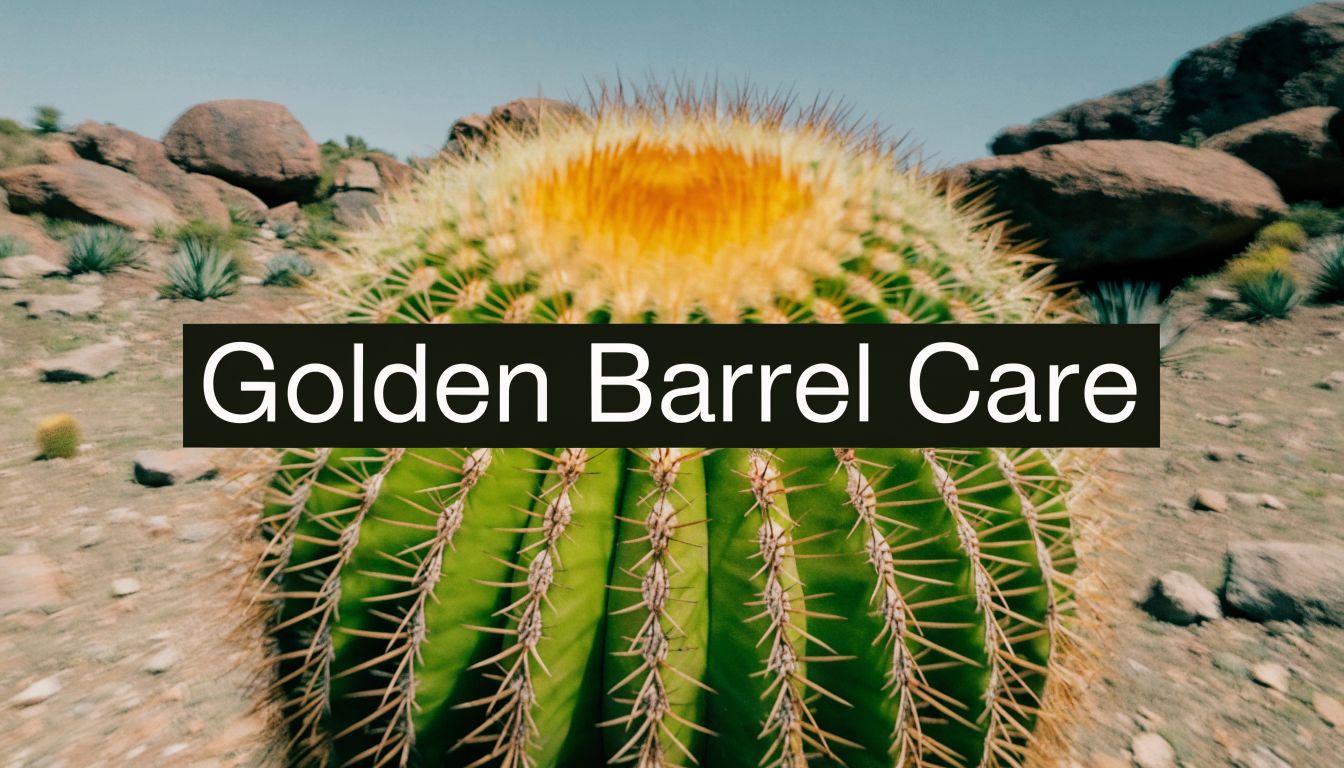
Few plants are as instantly recognizable as the golden barrel cactus. Even people who don’t know its botanical name know the look. A near-perfect globe, bold ribs, and a halo of golden spines that catches late afternoon light like metal thread.
In gardens, it plays two roles at once. From a distance, it reads as sculpture. Up close, it feels alive in a very old, stubborn, desert way. That’s part of why it became such a favorite with collectors, garden designers, and homeowners looking for a plant with presence.

Why people fall for it so quickly
The appeal is easy to understand.
- Shape: It has a clean, architectural form that works in modern, rustic, and desert-inspired spaces.
- Color: The yellow spines brighten gravel beds, stonework, and ceramic containers.
- Permanence: It doesn’t behave like a temporary seasonal planting. It feels more like part of the built environment.
That sense of permanence is one reason mature specimens are so prized. A small plant is charming. An older one can anchor an entire design.
Then comes the surprise most new owners don’t expect. This popular garden plant is in serious trouble in the wild. The golden barrel cactus is almost completely extinct in its natural habitat, with only 6% of its historical range remaining intact, according to the Danish Museum of Science and Natural History’s account of the species. The same source explains that its popularity in cultivation helped drive heavy collection from wild populations, while agriculture and the construction of the Zimapán Dam also destroyed habitat.
A plant with a complicated legacy
That history changes how many people see the plant. It isn’t just a stylish cactus for a gravel bed. It’s also a reminder that ornamental success can pressure wild species when plants are taken from native habitats instead of propagated in cultivation.
Practical rule: Treat every golden barrel cactus as a plant worth sourcing carefully and growing well for the long haul.
Owning one doesn’t need to be passive. Good care matters. Responsible sourcing matters. Keeping a plant healthy for decades is part of the story too.
Get to Know Your Golden Barrel Cactus
A young golden barrel cactus usually starts as a rounded ball. With age, that globe can stretch and become more barrel-like, especially in older garden specimens. That gradual change is part of its charm. You aren’t watching a quick grower fill space in a season. You’re watching a living form develop over years.
Its structure is easy to recognize once you know what to look for. The body is divided into strong vertical ribs. Along those ribs sit evenly spaced areoles, each carrying clusters of yellow spines. Mature plants are often so symmetrical that they look machine-made, but they’re not stiff or sterile. Light changes their whole character through the day.
The growth habit that confuses beginners
Most beginners underestimate how slowly this cactus moves. They buy a small plant, give it a sunny spot, and expect obvious size changes every season. That’s not how this species behaves.
The golden barrel cactus can live for over 100 years, takes about 20 to 30 years to reach its mature height of 3 feet, grows about 1 inch per year, and typically won’t flower until it’s at least 14 inches across, as noted in Gardenia’s plant profile. If you’ve ever wondered why large specimens cost more and feel more significant, that timeline is the reason.
Think of it less like a bedding plant and more like a stone bench or a young tree. You place it for the future.
What maturity actually looks like
A mature golden barrel isn’t just a bigger version of a small one. It has more visual authority. The ribs become more pronounced, the crown looks denser, and the whole plant reads as a feature rather than an accent.
A few identification points help:
- Body form: Young plants are more spherical. Older ones can look more cylindrical.
- Ribs: Distinct, deep ribs give the plant its pleated look.
- Spines: The golden spines are a defining feature and create that warm glow in sun.
- Crown: Flowers appear around the top when the plant is old enough and large enough.
If your plant hasn’t changed much in a year, that doesn’t mean you’re failing. With golden barrels, slow progress is normal progress.
Why patient growers get rewarded
Flowering is the milestone many people dream about, but it’s a patience game. You may care for a golden barrel for years before it reaches that stage. When it finally does bloom, the flowers sit near the crown like a ring of yellow satin.
That long wait changes your relationship with the plant. You start to notice the subtler milestones instead. Better spine color. A firmer body. Cleaner rib definition. A stronger root system after a successful repot.
Here’s the key mindset shift:
| Stage | What to expect |
|---|---|
| Small potted plant | Strong shape, slow visible change, easy to move |
| Adolescent specimen | More pronounced ribs, heavier body, stronger design impact |
| Mature landscape plant | Major focal point, flowering potential, difficult to relocate |
Golden barrel cactus care gets easier once you stop asking, “How fast will it grow?” and start asking, “How can I help it age well?”
Creating the Perfect Desert Environment at Home
Golden barrel cactus care becomes much simpler when you copy the logic of its native environment instead of treating it like a thirsty houseplant. Think of its soil like a well-drained desert arroyo, not a swampy bog. Think of the roots wanting air as much as moisture.

Give it serious light
This cactus wants bright conditions and strong sun. For solid growth and a compact shape, it needs at least 6 hours of direct sun, according to Gardenia’s golden barrel cactus profile.
If you’re growing one outdoors, the sunniest part of the yard is often the right place. If you’re growing it in a container, rotate the pot occasionally so one side doesn’t dominate. For indoor growers, the challenge isn’t usually too much light. It’s too little.
Signs the plant isn’t getting enough sun include a weaker silhouette, pale growth, and a body that no longer looks tight and balanced.
Build a gritty soil mix
Bagged “cactus soil” can work, but many mixes still hold more moisture than a golden barrel likes. The plant stays healthiest in soil with over 80% drainage, and the same source notes a preferred pH between 6.1 and 7.8. In practice, that means a loose mineral-heavy mix with ingredients such as loam, sand, and perlite.
A simple way to judge the mix is by feel. Grab a handful when it’s dry. It should feel coarse, crumbly, and airy, not dense or peaty.
For container growers who want to go deeper on potting media, our guide to the best soil for potted cactus breaks down how to think about drainage, particle size, and container behavior.
Water deeply, then back off
Most losses occur here. Golden barrels don’t want frequent sips. They want a full soak, followed by a real dry period.
The same Gardenia profile notes that overwatering is the biggest threat and that the plant’s CAM physiology suits extreme aridity, with watering needs as low as once a month in summer. That tells you something important. The roots are adapted for scarcity, not constant access to moisture.
Use the “soak and dry” method:
- Water thoroughly until the root zone is moistened.
- Let the soil dry well before watering again.
- Reduce watering further in cooler periods or when indoor light is limited.
A wrinkled plant may ask for water. A soft or blackening plant is often warning you that the roots have stayed wet too long.
Match the container to the plant
Pots matter more than many people realize. Choose containers with drainage holes and enough weight to stabilize the cactus as it grows. Terracotta helps the mix dry faster. Heavy concrete or stone containers can help with balance for larger plants.
For outdoor styling, hardscape also affects plant success. Surfaces that reflect heat and keep the setting dry-looking often suit golden barrels visually. If you’re designing around patios or entryways, cement tiles outdoor can be a useful reference for desert-friendly surfaces that pair well with bold sculptural plants.
Understand temperature and exposure
Golden barrel cactus is suited to USDA zones 9 to 12 in the cited care profile, and it can handle brief cold with protection. The key word is protection. Wet cold is riskier than dry cold, and sudden exposure after warm weather can damage tissue.
A few practical habits help:
- Before a cold snap: Keep the soil on the dry side.
- For potted plants: Move them under cover if freezing weather threatens.
- After winter: Reintroduce stronger sun gradually if the plant spent time sheltered.
Here’s a quick home checklist:
| Care factor | What the plant wants |
|---|---|
| Sun | Direct light for much of the day |
| Soil | Fast-draining, gritty, mineral-heavy mix |
| Water | Infrequent deep watering, then dry down |
| Temperature | Warm conditions, protection from prolonged cold |
Get those four things right and most other care questions become much easier.
Planting and Repotting Your Golden Barrel Cactus
Repotting a small golden barrel is manageable. Planting a mature one is a different job entirely. Once specimens pass a certain size, you’re no longer just moving a cactus. You’re handling a spiny, top-heavy object with a living root system that doesn’t forgive rough treatment.

According to One Earth’s species profile, mature golden barrels over 2 feet wide can weigh over 100 lbs, which is why they often become permanent outdoor features. The same source notes that handling and transplanting these top-heavy plants can damage roots or injure the person moving them.
Repotting a small or medium plant
For younger plants, the main goal is simple. Protect the roots and avoid trapping moisture around the base.
Use this sequence:
-
Prepare the new pot first
Add dry or barely moist gritty mix to the bottom. Make sure the drainage holes are open. -
Protect your hands and the plant
Use thick gloves, folded newspaper, or a towel wrapped loosely around the cactus body so you can grip without pressing hard into the spines. -
Ease the cactus out
Tip the pot sideways and support the root ball. Don’t yank from the crown. -
Inspect the roots
Trim only clearly damaged or dead material. Healthy roots should stay intact as much as possible. -
Set the plant at the same depth
Don’t bury the body deeper than it was before. Cactus tissue below the soil line can stay too wet. -
Wait before watering
Give the roots a short recovery window before the first deep watering.
If you want a more general walkthrough for container work, our article on how to repot cacti covers the broader process.
Moving a large specimen safely
Large golden barrels need planning before force. Gather your path, your tools, and your helpers first. Don’t improvise while holding the plant.
Useful tools often include:
- Leather gloves: Better puncture resistance than thin garden gloves
- Moving blankets or thick towels: To cushion the body
- Straps: For controlled lifting
- A hand truck or dolly: To move weight without dragging
- A stable container or planting hole: Ready before the plant arrives
Don’t lift a large golden barrel by grabbing the crown or pulling on the ribs. Support the body evenly and protect the root zone from twisting.
A short demonstration can help you picture body control and hand placement before you start.
Planting in the ground or a final container
For larger specimens, permanent placement matters. Test the orientation before planting. If one side has a better face or a more balanced spine pattern, turn that side toward the main viewing angle.
A few rules save trouble later:
- Set it high, not low: Slightly raised placement helps water move away from the crown.
- Backfill with a gritty mix: Don’t create a bowl of heavy soil around the roots.
- Stabilize without smothering: If needed, use rocks or supports temporarily, but keep the crown area open and dry.
What to do after shipping or transplanting
A newly arrived mature cactus often needs time more than attention. Put it in its final bright location, but don’t overreact if it looks a little stressed after transport. Shifts in light angle, temperature, and handling can all affect appearance.
Watch for these early signals:
| What you see | What it often means |
|---|---|
| Firm body, slight cosmetic marks | Normal shipping wear |
| Lean toward one direction | Light response, give it time to settle |
| Softening at the base | Too much moisture or root stress |
| No visible change for a while | Normal after a move |
With big plants, patience is part of the technique. The cleaner the move, the better the recovery.
Propagation and Common Problem Solving
Some growers are happy with one golden barrel. Others eventually want two things. More plants, and a better eye for trouble before it becomes serious. That’s where propagation and diagnosis come in.
Propagating from offsets and seed
A mature golden barrel may produce offsets, sometimes called pups. These are the simplest route for most home growers because you start with an established piece of living tissue rather than waiting on seed.
If you remove an offset, aim for a clean cut and let the cut surface dry before planting it into a dry, gritty medium. Keep the setup bright but not punishingly hot while roots form. The big mistake here is watering too early.
Seed growing is slower and asks for patience from day one. It appeals to collectors who enjoy the full lifecycle, but it’s not the fast path to a substantial plant. If your main goal is a plant for outdoor display, propagation is rewarding as a side project, not a shortcut.
Read the plant before you react
Golden barrel cactus problems are often visible before they become fatal. The trick is matching the symptom to the likely cause.
Use this diagnostic table as a calm first pass:
| If you see this | It’s likely this | Try this |
|---|---|---|
| Soft base or sour-smelling soil | Root trouble from excess moisture | Unpot, inspect roots, remove compromised material, replant in dry gritty mix |
| Cottony white patches | Mealybugs | Isolate the plant and clean affected areas carefully |
| Pale or stretched growth | Insufficient light | Move gradually to brighter conditions |
| Browned patch on exposed side | Sun stress after sudden exposure | Acclimate more slowly and protect during the harshest conditions |
Root rot is the one to fear most
Most pests can be managed if you catch them early. Root rot is more serious because you often notice it late. The body may still look decent while the underground parts are already failing.
That’s why prevention matters more than treatment:
- Use fast-draining media
- Choose pots with true drainage
- Avoid routine watering schedules
- Keep the crown dry and open
- Reduce water when light levels drop
Healthy golden barrels are usually firm, stable, and dry at the surface. Trouble often begins below the soil line.
Don’t rush every cosmetic flaw
A scar isn’t always a crisis. Minor spine breakage, small corky marks, or superficial blemishes can happen with age, shipping, or handling. New growers often overcorrect and create bigger problems by repotting too soon, watering too often, or applying treatment without identifying the issue first.
A steadier approach works better:
- Observe first: Check whether the issue is spreading.
- Touch carefully: Firm tissue behaves differently from rotting tissue.
- Review recent changes: New sun exposure, a cold event, or a watering mistake often explains the symptom.
Propagation teaches patience. So does troubleshooting. In both cases, the plant rewards growers who move slowly and pay attention.
Designing with the Golden Barrel Cactus
A golden barrel cactus can change the feel of a space even when you use only one. Set a large specimen in gravel beside weathered stone, and the whole area looks more deliberate. Place several at different sizes across a dry bed, and the planting starts to feel rhythmic, almost like repeating architectural forms.

Outdoor designs that make it stand out
The strongest pairings usually rely on contrast. Golden barrels look especially striking against plants with cooler foliage or softer movement. Blue-toned agaves, low grasses, dark rock, decomposed granite, and broad ceramic bowls all help the spherical form read clearly.
A few reliable outdoor uses:
- Single focal point: One mature barrel near an entry or courtyard creates a crisp visual anchor.
- Grouped composition: Multiple barrels in staggered sizes feel collected, not random.
- Boulder pairing: Rock and cactus together can make a planting feel rooted in place.
- Low-water border: Golden barrels can punctuate a lean, open xeriscape without clutter.
For more inspiration on broader layouts, our roundup of cactus garden landscaping ideas shows how to combine form, spacing, and hardscape.
Container styling indoors and out
In pots, the cactus reads differently. A terracotta pot gives it a classic desert-garden look. A concrete container leans more modern. Glazed ceramic can make it feel more collected and decorative, especially in courtyards or bright interior spaces.
Container choice changes the mood:
| Pot style | Visual effect |
|---|---|
| Terracotta | Warm, natural, traditional |
| Concrete | Minimal, architectural, contemporary |
| Glazed ceramic | Decorative, bold, more curated |
Indoors, use restraint. One healthy golden barrel near a very bright window often looks better than several scattered around a room with marginal light. The plant has enough visual strength to carry a corner on its own.
Designing for the future, not just today
A small golden barrel on a patio table may stay there for a while, but a larger specimen needs long-range thinking. Give it visual breathing room. Don’t crowd it with leafy neighbors that hide the ribs or invite extra irrigation.
Mature plants become exciting. They don’t just fill a spot. They shape the whole composition around them.
A good golden barrel placement should still make sense years from now, when the plant is heavier, wider, and more visually commanding.
That mindset separates a pleasant planting from one that ages beautifully.
Your Guide to Buying from The Cactus Outlet
Buying a golden barrel cactus is easiest when you decide first what role you need the plant to play. A smaller specimen suits collectors, gift buyers, and growers who enjoy watching slow development. A larger specimen makes sense when you want immediate structure in a courtyard, poolside bed, or entry planting.
What a healthy plant should look like
Start with the body. It should feel firm, not soft or collapsing. The ribs should be clear and well formed. Spine color should look clean and consistent for the plant’s type and age, and the crown should be free of obvious decay.
Check for warning signs before you commit:
- Softness near the base: A concern because it can point to moisture trouble
- Blackened tissue: Often more serious than a cosmetic scar
- Visible pests: Look closely around areoles and tight spine clusters
- Loose wobble in the pot: Sometimes normal, sometimes a clue that roots haven’t established well
Choosing size with honesty
Many buyers underestimate what size means in practice. A smaller plant is easier to place, easier to repot, and easier to protect during weather shifts. A mature plant gives immediate impact, but it asks for commitment in siting, handling, and long-term design.
This is one reason some shoppers choose both ends of the lifecycle. They buy a substantial outdoor specimen for instant presence and keep a smaller plant in a container as a collector piece.
There’s another interesting reason not to overlook younger plants. Cumbers Corner’s summary of emerging research notes that extracts from younger, 3-year-old golden barrel cacti showed stronger antioxidant capacity and more bioaccessible phenolics than older specimens. For enthusiasts, that’s a reminder that a young plant can be interesting for more than its eventual size. It has functional value in the research conversation as well.
What to expect when ordering online
A cactus shipped to your door won’t look staged like a nursery display the moment the box opens. It may need a short settling period. Soil can shift. A spine or two may show harmless handling wear. What matters is structural health.
If you’re ordering online, useful questions include:
- How is the plant secured for transit
- Will the root zone stay protected but not soggy
- Are size and form described clearly
- Do you have the final placement ready before arrival
The Cactus Outlet offers golden barrel cactus plants along with other large cacti, and the store provides online ordering with packaging and shipping for delivery. That’s useful for buyers looking for sizes that local garden centers don’t often carry.
Helpful add-ons to consider
A successful purchase often includes the support gear, not just the cactus.
Consider picking up:
- A gritty cactus soil mix
- A heavy pot with drainage
- Leather gloves for handling
- Top dressing such as gravel for stability and a finished look
The right setup helps the plant succeed from day one, especially if you’re moving beyond a windowsill specimen and into a true long-term feature plant.
Frequently Asked Questions
Is the golden barrel cactus toxic to pets
I wouldn’t frame the main risk as toxicity. The immediate problem for pets is physical injury from the spines. Curious noses and paws can get a painful lesson quickly. If you have pets, place the cactus where they can’t brush against it during play or routine movement.
Can I grow a golden barrel cactus indoors year-round
Yes, but only if you can give it very bright conditions. Indoor growers usually struggle with inadequate light, not overexposure. Put it at the brightest window you have, keep the soil very fast-draining, and be much more cautious with water than you would be outdoors.
My mature golden barrel has never flowered. Why
The most common reason is that the plant still hasn’t reached the size and maturity needed to bloom. Light also matters. A plant can stay alive for years in less-than-ideal conditions and still refuse to flower because it isn’t receiving enough direct sun to support that stage of growth.
What’s the difference between a golden barrel and a fishhook barrel
The easiest distinction is spine character and overall look. Golden barrel cactus has the orderly, glowing yellow-spined look often seen in desert gardens and modern outdoor plantings. Fishhook barrel types tend to have more hooked spines and a rougher visual character. If you’re buying for clean symmetry, the golden barrel is usually the preferred choice.
Can a large golden barrel be moved later
It can, but “can” and “should” aren’t the same thing. Large plants are difficult to handle safely, and moving them risks both root damage and personal injury. It’s much smarter to treat the first placement as close to permanent.
Why does my cactus lean
Leaning often happens because the plant is orienting itself toward stronger light, or because the root ball hasn’t fully settled after planting. If the tissue is firm and healthy, don’t panic. Check the light source, check stability, and avoid the temptation to keep repositioning it every few days.
Should I top-dress the pot with gravel
Usually yes, if the gravel doesn’t trap moisture against the body. A mineral top dressing can improve appearance, reduce soil splash, and help the planting look finished. Keep a little breathing room around the base of the cactus so moisture doesn’t linger where stem tissue meets soil.
If you’re ready to add a young collector plant or a garden-sized statement piece, browse the current selection at The Cactus Outlet. A well-grown golden barrel cactus can stay with you for decades, and choosing the right size from the start makes that long relationship much easier.