

Aloe on a windowsill often starts as a household backup plan. Someone gets too much sun, snaps a leaf, squeezes out some gel, and puts the pot back in place. That simple routine is why so many people think of aloe as one plant with one job.
But aloe aloe vera is much bigger than that.
I’ve met new plant owners who were surprised to learn that Aloe is a whole group of plants, not just the one familiar medicinal type. Some are compact and tidy. Some branch into shrubby forms. Some are grown mainly for looks. Some are confused with aloe even when they aren’t aloe at all. That’s where trouble starts, especially if you plan to use the gel.
This matters beyond the home garden. The global aloe vera market reached USD 941.3 million in 2025 and is projected to reach USD 1,620.6 million by 2034, with a projected 6.20% CAGR from 2026 to 2034, according to IMARC Group’s aloe vera market outlook. People value this plant in cosmetics, pharmaceuticals, and everyday skincare, which is why good identification and good care are worth learning.
A lot of readers arrive here because they’re trying to solve a practical problem. Maybe you’ve got a plant label that just says “Aloe.” Maybe you’re wondering whether your plant is safe to use on skin. Maybe you’re looking for a better routine to treat sun damaged skin and want to understand where aloe fits.
At The Cactus Outlet, we spend a lot of time helping people sort out these questions before they turn into mistakes. The easiest way to think about this guide is as a plant-owner’s field lesson. We’ll separate the true medicinal aloe from its many relatives, make care simpler, and help you feel confident the next time you buy, repot, or harvest a leaf.
Introduction More Than Just a Sunburn Soother
Individuals typically don’t buy their first aloe as a collector’s piece. They buy it because someone told them it’s useful. The pot goes on a bright kitchen ledge, near the sink or by the back door, and the plant becomes part décor, part home remedy.
That’s a fine beginning, but it leaves out the most important detail. The plant many people call “aloe” is usually Aloe vera, also known botanically as Aloe barbadensis Miller. It belongs to a much larger aloe family, and that family includes many lookalikes with different habits and different uses.
A plant can be easy to own and still be easy to misidentify.
That’s why aloe aloe vera deserves a closer look. New owners often assume any thick, toothed succulent with gel inside is interchangeable with the familiar medicinal plant. It isn’t. If you’re growing aloe only as a decorative succulent, that confusion may not matter much. If you plan to use the gel, it matters a great deal.
Aloe also sits at an interesting crossroads between gardening and daily life. It’s a houseplant, an outdoor plant, a cosmetic ingredient, and for many households, a practical plant kept within arm’s reach. Once you understand which aloe you have and how it behaves, the plant becomes much easier to grow well.
What Is Aloe and Why Is Aloe Vera Special
Aloe is a plant genus. Aloe vera is one species within that genus.
That distinction sounds technical, but it clears up a very practical problem for new plant owners. A pot labeled only “aloe” tells you the plant’s broader family, not its exact identity. For care, that may be enough to get started. For safe gel use, it is not.

Aloe is the group
The aloe group contains many species, with a wide range of sizes, leaf shapes, colors, and habits. Some stay compact on a windowsill. Others become bold outdoor garden plants in warm climates. Many share the same broad succulent look, which is why they are so often confused with one another.
True Aloe vera, also sold under the botanical name Aloe barbadensis Miller, is the species people usually mean when they talk about the familiar soothing gel plant. That name matters because plant labels can be loose, especially in general retail settings. At The Cactus Outlet, we encourage customers to treat the botanical name like a plant’s full legal name. It cuts through guesswork.
Its native dry, sunny origins also explain its habits. Aloe vera is built for bright light, quick-draining soil, and periods of drying between waterings. If you understand where a plant comes from, its care starts to make sense. Desert and semi-arid plants do not want to live like ferns.
Aloe vera is the standout species
Aloe vera stands out because people value it for more than its shape. The leaf contains clear inner gel that has made this species famous in homes, skin care products, and everyday plant culture.
For a beginner, the simplest way to understand the leaf is to picture it like a filled pouch. The center holds the clear gel people usually want. Closer to the leaf skin, the plant also contains a bitter yellow latex. Those are different substances with different uses and different levels of caution.
That is the overlooked part.
Many aloe relatives are handsome, easy succulents, but they are not all interchangeable with true Aloe vera. Some are grown mainly for their dramatic form or unusual markings. Some differ in sap, texture, and traditional use. So the special quality of Aloe vera is not just that it is an aloe. It is that this particular species has become the standard reference point for topical gel use.
Plant science made simple: “Aloe” is the surname. “Aloe vera” is the individual plant you need to identify if you plan to use the gel.
Why gardeners keep coming back to it
Aloe vera also earns its place as a beginner-friendly succulent. Its leaves store water the way a camel stores reserves for a dry stretch. That built-in buffer gives new owners a little room for error, which is one reason the plant stays popular.
Its growth habit helps too. A healthy Aloe vera forms a neat rosette of thick leaves that looks orderly without much fuss. It can sit on a bright sill, a sunny shelf, or a sheltered patio table and still feel right at home.
The appeal, though, is that Aloe vera lives in two categories at once. It is a satisfying ornamental plant, and it is also a plant people want to identify correctly for practical use. That is why the difference between true Aloe vera and its many relatives matters so much more than new growers expect.
Identifying True Aloe Vera and Common Relatives
The most overlooked part of growing aloe is also the most important. Not every aloe is true Aloe vera. If you only want a handsome succulent, that may not change your decision. If you want a plant for topical gel use, correct identification is the first safety step.
A key point for home gardeners is that true Aloe vera (Aloe barbadensis miller) needs to be distinguished from over 500 other Aloe species, and only the clear inner gel of true Aloe vera is widely considered safe for internal use, as discussed in this aloe species identification overview. I tell customers to treat aloe names the way they’d treat mushroom names. Close isn’t good enough when use matters.

What true Aloe vera usually looks like
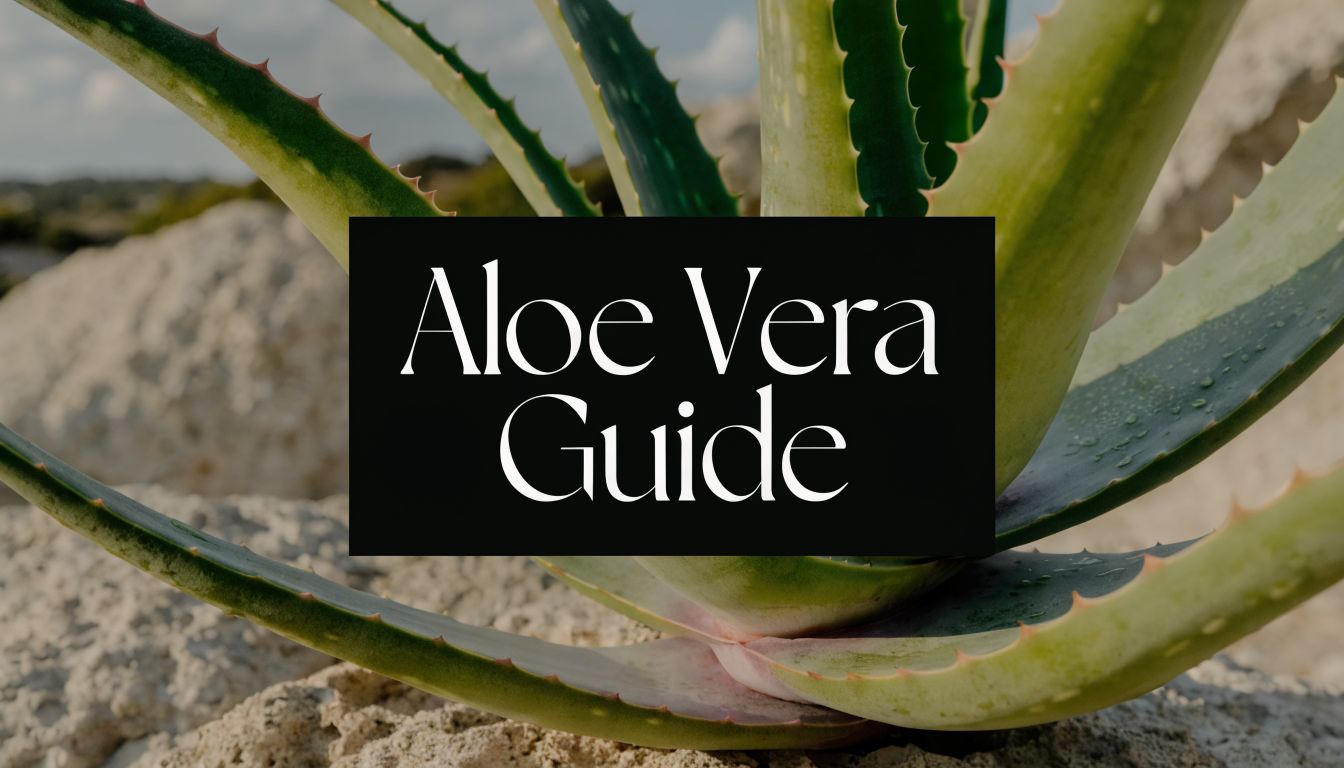
Aloe vera usually presents as a stemless or short-stemmed rosette. The leaves are thick and fleshy, often a soft gray-green to blue-green. Young leaves can show faint speckling. Along the edges, you’ll see small teeth, but they generally look more modest than the fierce armament on some other succulents.
When you cut a mature leaf, the plant gives you clear inner gel. That’s one of the easiest household clues. If what you encounter is strongly bitter yellow latex near the outer layer, slow down and make sure you know exactly what plant you have and which part you’re handling.
Where confusion happens in garden centers
Garden centers and online listings often use common names loosely. “Medicinal aloe,” “healing aloe,” and plain “aloe” can all show up on tags. Sometimes the plant is correctly labeled. Sometimes it isn’t.
Two frequent lookalike situations come up:
- Another aloe species is sold as aloe. It may be beautiful but not the same as Aloe vera.
- A non-aloe succulent is mistaken for aloe. Gasteria is a classic example because its leaves are fleshy and arranged in a somewhat similar way.
A beginner usually notices thickness and ignores growth habit. That’s understandable, but growth habit is one of your best clues.
Always confirm identification before use.
Aloe vera vs common lookalikes
| Feature | True Aloe Vera (Aloe barbadensis) | Candelabra Aloe (Aloe arborescens) | Gasteria (“Ox Tongue”) |
|---|---|---|---|
| Overall shape | Low rosette, usually stemless or short-stemmed | More shrub-like, branching with visible stems | Compact, often fan-like or stacked leaf arrangement |
| Leaf feel | Thick, fleshy, smooth with small marginal teeth | Narrower leaves, more upright and often denser on branched stems | Thick, tongue-like leaves, often rougher or mottled |
| Growth habit | Grounded, open rosette | Taller, clumping, candelabra-like form | Compact houseplant form, often slower and denser |
| Gel expectation | Known for the clear inner gel associated with common household use | Not the same default household-use plant as Aloe vera | Not an aloe for the usual medicinal expectations |
| Best use for most owners | Skin-soothing houseplant and ornamental succulent | Landscape accent or collector plant | Decorative succulent for indoor growing |
A practical ID checklist
If you’re standing with a plant in hand, use this short checklist instead of guessing:
- Check the leaf arrangement. True Aloe vera usually forms a tidy rosette rather than a branching shrub.
- Check the color. Look for a softer gray-green or blue-green tone rather than a dramatic red, bronze, or heavily patterned look.
- Check the leaf interior. True Aloe vera is known for its clear inner gel.
- Check the label. The name Aloe barbadensis Miller is the one that gives the strongest confidence.
- Check your purpose. If the plant is for décor only, you have wider options. If you plan to use the gel, accuracy matters much more.
Many collectors enjoy growing multiple aloe relatives, and that’s a great hobby. The key is keeping ornamental interest separate from medicinal assumptions. Once you make that distinction, shopping gets easier and harvesting gets safer.
Mastering Aloe Care and Propagation
Aloe vera is forgiving, but it isn’t indestructible. Most problems come from kindness applied the wrong way. Too much water, too little drainage, and a dark corner will hurt an aloe faster than a missed watering ever will.

Light and placement
Aloe wants strong light. Indoors, put it where the plant can see a lot of the sky through a window. A bright windowsill works well, especially one with steady light through much of the day.
If your aloe stretches, leans, or looks pale, it’s asking for more light. Think of the plant as a solar panel with roots. When light is weak, it can’t keep its compact shape.
A move into stronger light should be gradual. Sudden harsh exposure can stress the leaves, especially if the plant has been living in a dim room.
Soil and watering
Soil matters as much as sunlight. Aloe roots want air around them, not a wet sponge. Use a fast-draining cactus or succulent mix and a pot with a drainage hole. Terracotta is useful because it lets moisture leave the pot more readily than many glazed containers.
The watering rule is simple. Soak the soil thoroughly, then let it dry before watering again. New owners often sip-water aloe, adding small amounts too often. That keeps the root zone damp and invites trouble.
A short routine helps:
- Lift the pot. A dry pot feels noticeably lighter than a wet one.
- Touch the mix. The upper layer should not feel damp when you water again.
- Watch the leaves. Firm leaves suggest the plant is hydrated. Mushy leaves suggest excess water.
If you’d like another practical reference, this guide on how to grow aloe vera at home for a thriving plant pairs well with a hands-on indoor routine.
Practical rule: When you’re unsure whether to water, wait a bit longer. Aloe usually forgives dryness faster than soggy roots.
Temperature and feeding
Aloe prefers stable warmth and dislikes prolonged cold, wet conditions. Indoors, that usually means keeping it away from drafty winter glass and from spots where water sits in saucers.
Feeding can stay light. A mild succulent fertilizer during active growth is enough. Heavy feeding pushes soft growth, and soft growth often creates weak plants. With aloe, sturdy growth is the goal.
Propagation without guesswork
The easiest way to multiply aloe is by offsets, often called pups. These small plants appear around the base of the mother plant. They’re the aloe version of a family cluster. When the pups are large enough to handle, you can divide and pot them separately.
For practical propagation, rooting 10 to 15 cm leaf cuttings or offsets in a well-draining cactus mix under 30 to 40% shade can achieve a 90% success rate in 4 to 6 weeks at 24 to 28°C, according to Medical News Today’s aloe propagation guidance. In everyday terms, that means warmth, bright filtered light, and a loose mix give your new plants the best chance to root.
For readers who want a more detailed walkthrough, The Cactus Outlet has a step-by-step guide on growing aloe vera from cutting.
A simple propagation sequence looks like this:
- Remove the pup carefully. Try to keep some roots attached if possible.
- Let the wound dry briefly. A short resting period helps the cut area toughen up.
- Plant in dry, fast-draining mix. Don’t bury the crown too low.
- Hold back on heavy watering. Give the plant a chance to settle before soaking the mix.
- Keep it bright but not punishingly hot. Gentle light is easier on a plant with fresh cuts.
This quick video can help if you like seeing the process rather than only reading about it.
Repotting and patience
Aloe doesn’t need constant repotting. It usually asks for a new pot when roots crowd the container or offsets start competing for space. Choose a pot only modestly larger than the old one. Going too large can keep excess moisture around the roots.
The best growers I know don’t fuss over aloe. They observe it. That’s the skill worth building. Once you understand how light, drainage, and watering interact, aloe care becomes calm and predictable.
Troubleshooting Common Aloe Problems
A troubled aloe often tells on itself through the leaves. You don’t need a lab test. You need to match the symptom to the likely cause, then correct the growing conditions.

Mushy yellow leaves
Symptom: Leaves feel soft, yellowish, or translucent.
Cause: Too much water is usually the culprit. Wet mix deprives roots of air, and damaged roots can’t support healthy leaves.
Solution: Stop watering, check the roots, and move the plant into fresh, dry succulent mix if rot is present. If you need a closer look at what recovery involves, this article on aloe vera plant root rot is a useful reference.
Thin, curling, or deflated leaves
Symptom: Leaves look less plump and may curl inward.
Cause: The plant is often too dry, or the roots have been compromised and can’t move water properly. Underwatering and root trouble can look similar at first glance.
Solution: Check the potting mix and root health before reacting. If the soil is bone dry and roots look sound, water thoroughly and let excess water drain away. If roots are unhealthy, repot first.
Soft and collapsing usually means excess moisture. Thin and shrinking usually means the plant can’t access enough moisture.
Brown patches or scorched areas
Symptom: Leaves show dry brown patches, especially on the side facing strong sun.
Cause: Sudden exposure to intense light can scorch tissue, particularly after a move from indoors to outdoors.
Solution: Shift the plant to bright filtered light, then reintroduce stronger light gradually. Damaged tissue won’t turn green again, but new growth can emerge normally.
Long, weak, leaning growth
Symptom: The plant looks stretched, lopsided, or floppy.
Cause: Insufficient light. Aloe responds by reaching.
Solution: Increase light step by step and rotate the pot so growth stays balanced. Don’t expect old stretched leaves to tighten back up. Judge success by the shape of new growth.
Sticky pests and cottony clusters
Aloe can attract common succulent pests such as mealybugs. They often hide near the leaf bases or in tight crevices.
Use this quick response plan:
- Isolate the plant. Keep pests from moving to nearby succulents.
- Wipe visible clusters away. A cotton swab works well for small outbreaks.
- Inspect the crown and leaf joints. Pests prefer protected hiding spots.
- Adjust care. Stressed plants are easier targets, so correct light and watering too.
Most aloe problems become manageable once you stop guessing and start reading the plant like a set of clues.
The Many Uses of Aloe Vera From Gel to Decor
Aloe vera stays popular because it does more than one job well. It isn’t just a medicinal plant, and it isn’t just a decorative succulent. It sits in a useful middle ground where beauty and function meet.
Skin and topical use
The best-known use is topical. People keep aloe vera for its soothing clear gel, especially for minor skin irritation and after-sun care. That reputation didn’t appear by accident. The plant has been studied for biologically active compounds, and its household identity is strongly tied to skin comfort.
Its chemistry is also why growers and researchers pay close attention to the species itself. According to a Hogrefe reference on Aloe barbadensis Miller, the plant shows potent anticancer properties in vitro, primarily through aloe-emodin, which induces apoptosis, and mature plants can yield 2 to 4 liters of inner gel annually, as noted in this Aloe barbadensis Miller research summary. That’s not the same thing as saying a household aloe plant is a home cancer treatment. It does show, however, that the plant contains compounds important enough to study seriously.
For everyday owners, the practical message is simpler. Use aloe vera thoughtfully, and know which part of the leaf you’re handling. The clear inner gel is not the same as the bitter yellow latex near the rind.
Cosmetic value
Aloe vera also earns its place in cosmetic products because the gel has a fresh, lightweight feel. It’s easy to understand why formulators use it in after-sun products, moisturizers, and soothing skin applications. Even people who never cut a leaf at home are still using aloe through packaged skincare.
For home users, that versatility creates options:
- Fresh leaf gel for simple topical use. This works when you know the plant is correctly identified.
- Prepared skincare products with aloe. Useful if you prefer consistency and shelf stability.
- A combination approach. Many gardeners grow the plant and also keep finished products on hand.
A design plant that earns its place
Aloe vera is also an excellent ornamental succulent. The leaf shape is sculptural without being fussy. It pairs well with terracotta, gravel topdressings, and simple modern containers.
In indoor spaces, aloe works best where its shape can be appreciated at eye level or just below it. A crowded plant shelf hides the rosette. A windowsill, side table, or entry console lets the structure read clearly.
Try these styling ideas:
- Use a plain pot. Aloe’s geometry already does the visual work.
- Give it breathing room. One aloe with space around it often looks better than several plants packed tightly together.
- Group by texture, not just size. Aloe looks strong next to smooth ceramics, stone, or other succulents with contrasting leaf forms.
A well-grown aloe looks useful and intentional at the same time. That’s part of its appeal.
A note on caution
Aloe’s reputation sometimes leads people to assume that if some is good, more must be better. That isn’t a safe rule. The latex portion of aloe has important cautions associated with ingestion, and any medicinal use beyond simple topical household use deserves professional guidance.
For most plant owners, the sweet spot is clear. Grow true Aloe vera well, appreciate the plant as both a living object and a practical one, and don’t assume every aloe relative should be used the same way.
Your Guide to Buying and Shipping Aloe from The Cactus Outlet
Buying aloe online gets easier when you know what healthy growth looks like. Look for leaves that appear full rather than flat, a rosette that feels balanced, and coloring that suits the species without obvious collapse or rot. A plant doesn’t need to be flawless. It does need to look structurally sound.
If you’re comparing sellers, it helps to buy from specialists who regularly handle succulents and cacti rather than treating them as side inventory. Shipping a living succulent isn’t the same as boxing up a ceramic pot. The plant has to be packed so the leaves stay protected, the root zone stays stable, and excess moisture doesn’t create problems in transit.
If you want help deciding where to shop, this guide to the best online cactus store gives useful buying criteria. The same logic applies to aloe. Clear plant identification, careful packing, and realistic care information matter more than flashy listing photos.
For new buyers, my advice is simple. Start with the plant name. If your goal is the classic medicinal type, look specifically for Aloe barbadensis Miller. A correct label saves a lot of uncertainty later.
Frequently Asked Questions About Aloe Aloe Vera
Is aloe vera safe for pets
It’s smart to keep aloe out of reach of pets that chew houseplants. Dogs and cats don’t make careful distinctions between gel, rind, and latex, and a pet that nibbles leaves can end up with stomach upset. If you have a determined chewer, place aloe where the plant can still get light but the pet can’t access it.
Can aloe vera live outdoors
Yes, in the right conditions. Aloe likes warmth, good drainage, and plenty of light. It does poorly in prolonged cold and wet conditions. If your climate has cold winters, many growers keep aloe in containers so they can move it indoors when needed.
How long does it take for a young aloe to mature
Aloe doesn’t grow on a strict household schedule. Growth depends on light, warmth, root space, and general care. A young plant that gets strong light and proper watering will mature faster than one kept in a dim room. Watch for fuller rosettes, stronger leaf thickness, and the appearance of offsets as signs that the plant is settling in well.
Can I use gel from any aloe plant
No. This is one of the most important points in the whole guide. Many plants are sold under the loose label “aloe,” and not all should be treated as interchangeable with true Aloe vera. Confirm the species before using any gel.
Why does my aloe keep falling over
Aloe usually leans for one of three reasons. It may be stretching toward light, sitting in mix that stays too wet, or growing top-heavy in a pot that no longer supports it well. Check light first, then roots, then pot size.
If you’re ready to bring home a properly identified aloe or expand your succulent collection, The Cactus Outlet offers a wide range of cactus and succulent plants with detailed listings that help you buy with more confidence.