

You're probably here because you saw one in a nursery tray, an Instagram post, or a collector's shelf and stopped cold. It didn't look like a normal cactus. It looked sculpted, mutated, half-finished, and somehow better for it.
That reaction is why trichocereus bridgesii monstrose has such a grip on collectors. It's odd in a way that still feels elegant. It has a strong silhouette from across the room, but up close it gets even stranger. The segments bulge, stack, lean, scar, and branch in ways a standard columnar cactus doesn't.
Most care guides stop at “give it sun and don't overwater.” That's not enough with this plant. A significant challenge begins when you try to buy one, identify the right form, decide whether a listing is TBM, or figure out why one specimen looks like a chain of rounded clubs while another stretches into longer, irregular sections. Names make it worse. Sellers still use different botanical labels for the same plant, and beginners often end up buying a standard plant or a lookalike mutant by mistake.
This is the practical version of the guide. The collector version. The one built around what matters in real life: identifying the true variety, keeping it from rotting, propagating it correctly, and buying it without getting fooled by bad labels or bad photos.
Meet the Most Unusual Cactus in Your Collection
The first time most growers see TBM, they laugh, then they lean in closer.
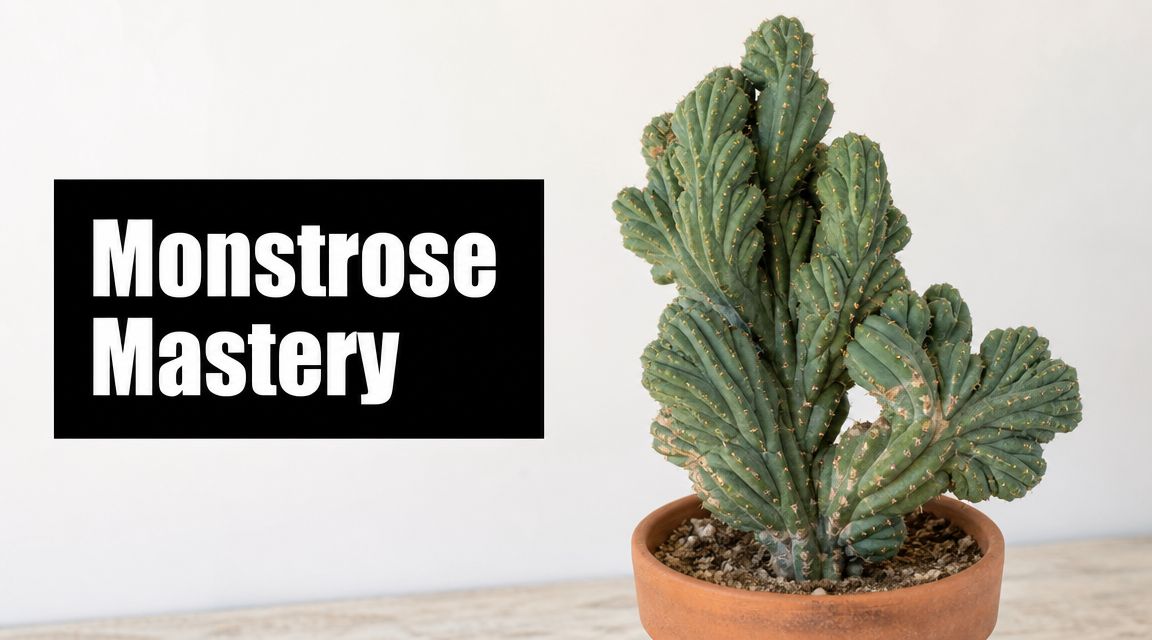
That's because it barely resembles the mental picture people have of a cactus. Instead of a clean upright column with even ribs and neat symmetry, trichocereus bridgesii monstrose grows in lumps, knobs, branches, and odd little clubs. Every plant feels slightly improvised. Even when two specimens come from the same clone line, they can still look like different personalities.
It's famous under the nickname Penis Cactus, and that nickname has done two things at once. It made the plant widely recognizable, and it also caused a lot of casual mislabeling. Some people buy it for the joke. Serious collectors keep it because it's one of the most visually distinctive cacti in cultivation.

Why collectors get hooked
A normal specimen plant usually rewards you with predictability. TBM rewards you with surprise.
One segment may stay compact and rounded. The next may elongate. A pup may emerge from the side at a strange angle and suddenly make the whole plant look more sculptural. That unpredictability is the whole appeal. You're not just growing a cactus. You're watching a mutation express itself over time.
Three things keep it in heavy demand among enthusiasts:
- Its shape is unmistakable. Even people who know nothing about cacti remember it.
- It has propagation value. Segments can become new plants, which matters to collectors who like to trade and multiply favorite clones.
- It has real presence in a collection. It works as a focal plant even when it's small.
Some plants blend into a bench. TBM never does.
Why this plant gets misunderstood
The unusual form makes people assume all weird-looking bridgesii are TBM. They aren't.
A rough-looking plant can be stressed, damaged, or mislabeled. A standard columnar plant can also be sold under the wrong name because the seller knows the nickname attracts clicks. That's why this plant needs a more careful eye than most cactus purchases.
Identifying the Real TBM Forms and Features
If you want to avoid a bad buy, start with the growth pattern, not the listing title.
Monstrose growth means the plant isn't following the typical single-tip, symmetrical column habit. One useful way to understand it is this: the plant's normal growth logic has broken into multiple directions. Instead of one disciplined top point guiding the stem upward, growth becomes irregular, scattered, and lumpy.

What real TBM should look like
A genuine TBM usually shows a few visual clues at once:
- Segmented growth rather than one clean uninterrupted column
- Irregular or reduced rib structure
- Knobby or club-like stems with uneven swelling
- A habit that looks genetically odd, not merely damaged
If you're still training your eye, a broader cactus identification guide for comparing growth habits can help you separate mutation, stress, and normal species variation.
Type A and Type B
Collectors commonly split TBM into long form (Type A) and short form (Type B). According to San Pedro Source's comparison of long form vs short form TBM, the long form has elongated segments, while the short form has compact, rounded segments measuring about 2 to 3 inches each. That same source notes growers report the short form can add about 1 to 2 nodes per season, which is one reason it's the more common and faster-clumping form in collections.
Here's the practical difference:
| Form | What you notice first | Growth feel | Collector experience |
|---|---|---|---|
| Type A long form | Longer, more stretched segments | More extended and open | Often looks more alien and less compact |
| Type B short form | Rounded, compact segments | Tighter, clumping habit | Usually easier to recognize in photos |
What gets mislabeled most often
A listing can go wrong in a few predictable ways:
- A normal plant is sold as monstrose. The stem may have ordinary ribs and spacing, with no true mutant segmentation.
- A different monstrose cactus is sold as TBM. It may be attractive, but that doesn't make it the same plant.
- The form isn't specified. That's not always a dealbreaker, but it matters if you're hunting a particular silhouette.
Practical rule: If the seller gives you only the nickname and one blurry top-down photo, assume nothing.
The safest approach is to judge the plant by segment shape, overall habit, and consistency of the mutation across the specimen.
The Complete TBM Care and Cultivation Manual
TBM is not difficult, but it is unforgiving when grown like an ordinary houseplant.
The plant's segmented, mutated structure holds visual character and risk in the same body. Water can sit where you don't want it. Scars happen easily. A fast, peaty mix that works for leafy plants can turn into a rot trap here. Good care comes from respecting its architecture.

Light and color
TBM likes strong light, but sudden exposure can mark it fast.
If a plant has been living in shade, move it into brighter conditions gradually. A healthy specimen in strong light often develops a better, tighter look and stronger blue-green character, but pushing it too hard all at once can scar or bleach the tissue. I prefer to judge the plant by firmness and skin response over a couple of weeks instead of chasing maximum sun immediately.
For indoor growers, the challenge isn't survival. It's form. A plant kept too dim may stay alive but lose the dense, compact look that makes TBM worth growing.
Soil and pot choice
At this point, many avoidable losses occur.
Use a fast-draining, gritty cactus mix. TBM doesn't reward moisture-retentive soil. Its growth habit already slows drying in pockets around the plant, so the root zone should do the opposite and shed water quickly. Terracotta can help if you tend to water generously. Plastic works too, but then your mix and watering discipline need to be sharper.
A pot that's too large stays wet too long. For TBM, snug is often safer than spacious.
Watering without causing rot
The right method is simple. Water thoroughly, then let the mix dry.
The hard part is patience. New owners see a slow-growing cactus and assume it needs “just a little water now and then.” That light frequent watering often creates the worst conditions: a root zone that never fully dries and a plant that never fully drinks. TBM does better with clear wet and dry cycles.
Watch the plant and the mix together. In warm active growth, it can take water well if drainage is sharp. In cool or low-light conditions, hold back.
Signs your watering is off
- Softening at the base suggests more than cosmetic stress
- Persistent dampness in the mix means your soil is too heavy, your pot too large, or your airflow too low
- Shriveling with bone-dry soil for too long means you've gone from caution to neglect
Let the root zone dry with confidence. TBM forgives thirst more readily than stagnant moisture.
Temperature and seasonal handling
Commercial cultivation notes describe TBM as a full-sun, frost-sensitive cactus typically treated for USDA zones roughly 9 to 11 in production settings, and those same notes also mention the plant is commonly sold as cuttings or bare-root specimens because its segmented growth can scar easily. A detailed cultivar description also reports the short-stemmed clone can reach about 40 cm in height before branching, with upright sections around 5 cm in diameter and up to 20 cm tall, plus sporadic honey-brown spines reaching roughly 7 cm. Those details come from Freaky Cacti's short-stemmed TBM cultivar listing.
In practical terms, cold plus wet is the combination to avoid. If there's any frost risk, keep the plant dry and protected well before the temperature drop.
Feeding and pest control
TBM doesn't need aggressive feeding. A light hand during active growth is enough. Overfeeding often gives you weaker, less attractive growth rather than better growth.
Common pests are the usual cactus troublemakers:
- Mealybugs hide in creases and around areoles
- Spider mites can dull the skin and leave the plant looking tired
- Scale and minor opportunists sometimes settle into older scars
Inspect the plant from above and from the side. TBM has enough folds and odd growth angles that pests can hide in plain sight.
Propagating TBM to Expand Your Collection
Propagation is where this plant becomes even more fun. A single healthy specimen can become several over time, and that's one reason collectors stay attached to it.
There's also an important biological reason cuttings are the standard route. According to Freaky Cacti's explanation of Trichocereus bridgesii mutants, TBM's odd shape comes from the apical meristem dividing and scattering into multiple irregular growth points across the epidermis instead of forming a normal single tip. That same source explains why growers propagate TBM from cuttings. Vegetative propagation clones the mutation, while seeds from TBM would likely grow into a normal, non-monstrose cactus.

If you want a broader walkthrough for tools and setup, this guide to propagating cactus from cuttings is a useful companion.
The cutting process that works
You don't need anything fancy. You do need cleanliness and restraint.
- Choose a firm segment. Avoid anything soft, recently damaged, or stressed.
- Use a sterile blade. Make a clean cut instead of crushing tissue.
- Keep the cutting dry while it calluses. This step matters more than beginners expect.
- Root in a very airy medium. Dry pumice or a sharply draining cactus mix works well.
- Delay watering until the cutting is settled. Fresh cuts and wet soil are a bad combination.
A lot of failed propagation comes down to one mistake: planting a fresh cut and watering too soon.
Callusing is the real make-or-break point
TBM tissue can rot faster than people think if the cut end stays damp before sealing.
I like to set cuttings in a bright, dry, shaded spot with good airflow and leave them alone until the cut surface hardens. Growers who rush this step usually learn the lesson once and don't repeat it. The urge to “help” the cutting is strong. The correct move is usually to wait longer.
Here's a useful visual walkthrough of the process:
If a TBM cutting looks stalled, that doesn't always mean it has failed. It often means it's working below the surface before it commits to new top growth.
Rooting and aftercare
Once planted, keep the cutting stable and out of harsh exposure. Gentle bright light is better than intense punishment while it's trying to root.
Don't tug on it to check progress. Watch for signs instead: firmer posture, slight resistance in the medium, and eventually new growth. When that happens, shift gradually into normal care. A newly rooted cutting still wants caution, not celebration watering.
Advanced Grower Notes on Flowering Grafting and Styling
Most TBM owners never see flowers, and that's normal.
The short-stemmed clone is described as a slow-growing, prostrate mutant that may reach only 40 cm before branching, with upright sections typically 5 cm in diameter and up to 20 cm tall. That same cultivar description notes its rare white flowers appear only at night on mature, well-established plants, which makes flowering uncommon in cultivation. Those details come from the cultivar notes already cited earlier.
Flowering expectations
If your goal is blooms, TBM is not the efficient route.
Grow it for form first. If flowers happen on an old, settled specimen, enjoy them as a bonus. Mature, stable plants in strong conditions have the best chance, but this is not the kind of cactus I recommend to someone chasing reliable floral display.
Why growers graft it
Grafting changes the pace.
TBM on its own roots has charm because it stays weird, compact, and deliberate. On strong rootstock, it can put on growth more quickly and produce offsets with more enthusiasm. That's useful when you're trying to bulk up a small cutting, preserve a valuable clone, or build stock plants for future propagation.
Common rootstock choices among cactus growers include vigorous columnars and other dependable grafting plants. The trade-off is aesthetic. Some collectors love the boosted growth. Others think TBM looks best on its own roots, especially in a specimen pot where the mutant form is the whole point.
Styling the plant well
TBM looks best when the container doesn't compete with it.
A plain mineral top dressing, a low pot with some visual weight, and enough open space around the plant usually do more than decorative clutter. In a mixed planting, it can get visually lost unless the surrounding plants are quieter in form. In a solo pot, every offset and scar becomes part of the composition.
A crested or heavily branched specimen has a different presence from a compact short-form cluster. The best display choice is the one that lets the outline stay readable from a distance.
How to Buy Trichocereus Bridgesii Monstrose Safely
The biggest mistake buyers make is trusting the label more than the plant.
Modern taxonomy complicates the search. Major references now treat Echinopsis lageniformis as the accepted name for what many sellers still list as Trichocereus bridgesii, which means the same plant may appear under different names in different shops. That naming split creates real buying risk, and buyers are better off verifying identity through segment shape and areole spacing, not just the listing title, as noted in Cactus Kingdom's discussion of Trichocereus bridgesii monstrose nomenclature and buying risk.
What to check before you order
A careful buyer looks past the nickname and asks a few practical questions:
-
Are the photos clear enough to judge the form
You want side views, not only one flattering angle. -
Does the plant show the expected segment habit
A true TBM should look genetically irregular, not merely bent or damaged. -
Is it rooted, unrooted, or bare-root
None of those are automatically bad. They just require different expectations after arrival. -
Does the seller show consistency across listings
Repeatedly accurate labeling matters more than hype wording.
If you want a starting point for evaluating reputable online sellers in general, this guide on the best place to buy cactus online is worth reading.
Cutting or rooted plant
A cutting is often cheaper and can be the better choice if you're comfortable propagating. A rooted specimen removes one layer of uncertainty but may have shipping stress, cosmetic marks, or an overpotted root system that needs correction.
I usually tell collectors this: buy a cutting if you trust your aftercare, buy rooted if you value momentum more than process.
The best TBM purchase isn't always the biggest one. It's the one that's clearly identified and structurally healthy.
After it arrives
Don't rush to repot, drench, or harden it off in brutal sun on day one.
Let the plant settle. Inspect for hidden softness, pest issues, and shipping scars. If it arrived bare-root, plant it in a dry, sharply draining mix and give it time to reestablish before treating it like an actively growing specimen.
TBM Frequently Asked Questions
Why is the base turning yellow and hard
If the tissue is dry, firm, and corky, that's often age and stabilization rather than a crisis. If it's soft, wet-looking, or spreading upward, think rot and act fast by unpotting, inspecting roots, and removing compromised tissue.
Is it normal for new segments to look skinny or different
Sometimes, yes. TBM doesn't grow with strict symmetry. But if new growth becomes stretched, weak, and less compact than the older plant, low light is usually the first suspect. Better light usually fixes future growth, though the stretched segment won't fully reshape.
Can I grow trichocereus bridgesii monstrose indoors year-round
You can, but indoor success depends on light quality more than optimism. A bright window may maintain the plant. It may not keep the dense form that makes TBM attractive. Indoor growers usually do best when they treat light as the main limiting factor and water cautiously.
Why does my plant scar so easily
Because TBM has irregular, exposed growth that gets bumped, rubbed, and handled at awkward angles. Minor scars are common. Good airflow, careful handling, and avoiding water trapped in creases will keep cosmetic damage from turning into health problems.
If you're ready to add a healthy, well-packed cactus to your collection, browse The Cactus Outlet. They carry a wide range of cactus and succulent plants for collectors, home growers, and garden enthusiasts who want real selection without guessing from random marketplace listings.