

Why do so many plant guides talk about devil's tongue cactus as if it's only one plant, then hand you care advice that fits a completely different cactus?
That mix-up frustrates beginners and collectors alike. One person buys a compact barrel cactus with dramatic flattened spines. Another buys a low, spreading prickly pear with pads and yellow flowers. Both are told they bought “devil's tongue cactus.” Only one of those is the plant most cactus growers mean when they say Ferocactus latispinus.
If you've ever felt unsure about what you have, you're not alone. This guide focuses on the true barrel-form devil's tongue cactus, Ferocactus latispinus, and explains it in the plain, practical way a nursery worker would across the potting bench: what it looks like, how to keep it healthy, how to spot trouble, and how not to confuse it with the cold-hardy prickly pear that shares the same common name.
Meet the Devil's Tongue a Striking Barrel Cactus
What makes a cactus look fierce before you even touch it?
With devil's tongue cactus, the answer is shape and spine design working together. Ferocactus latispinus grows as a low, weighty barrel with pronounced ribs and wide central spines that look pressed flat, almost like forged metal laid across the plant. The effect is architectural. In a pot collection, it draws the eye the way a well-shaped stone or a hand-thrown ceramic pot does.
This is the true barrel-form devil's tongue cactus sold by The Cactus Outlet, not the pad-form prickly pear that sometimes shares the same common name. That distinction matters. If you start with the wrong mental picture, every care decision after that gets harder.
Growers remember this species because it has presence without needing size. It usually stays a single specimen rather than turning into a clump, so the whole plant reads as one clean silhouette. Collectors often prize cacti like this for the same reason people prize bonsai or old agaves. The shape carries the drama.
Practical rule: treat this cactus like living sculpture. Give it space where its form can be seen from all sides, not squeezed between leafy plants.
Its slow pace adds to the appeal. A handsome plant does not rush. Over time, the ribs become more defined, the spine pattern grows more dramatic, and the cactus develops the kind of character that makes even a small specimen feel established.
If you enjoy rounded, ribbed species as a group, this guide to different types of barrel cacti gives useful context for where devil's tongue fits among other barrel forms.
Identification and The Great Name Mix-Up
What plant do you have when a label says "devil's tongue cactus"? That question matters more than it seems, because this common name gets attached to two very different cacti.
The plant featured in this guide, and the one sold by The Cactus Outlet, is Ferocactus latispinus. It is a true barrel cactus. It grows as a single rounded, ribbed body with broad flattened spines. If you want a quick visual baseline, this barrel cactus overview helps place it within the broader barrel cactus group.

What a true Ferocactus latispinus looks like
Start with the body shape. A mature plant usually looks low, broad, and heavy-set, more like a squat drum than a tall column. The ribs are pronounced and vertical, giving the plant a pleated look.
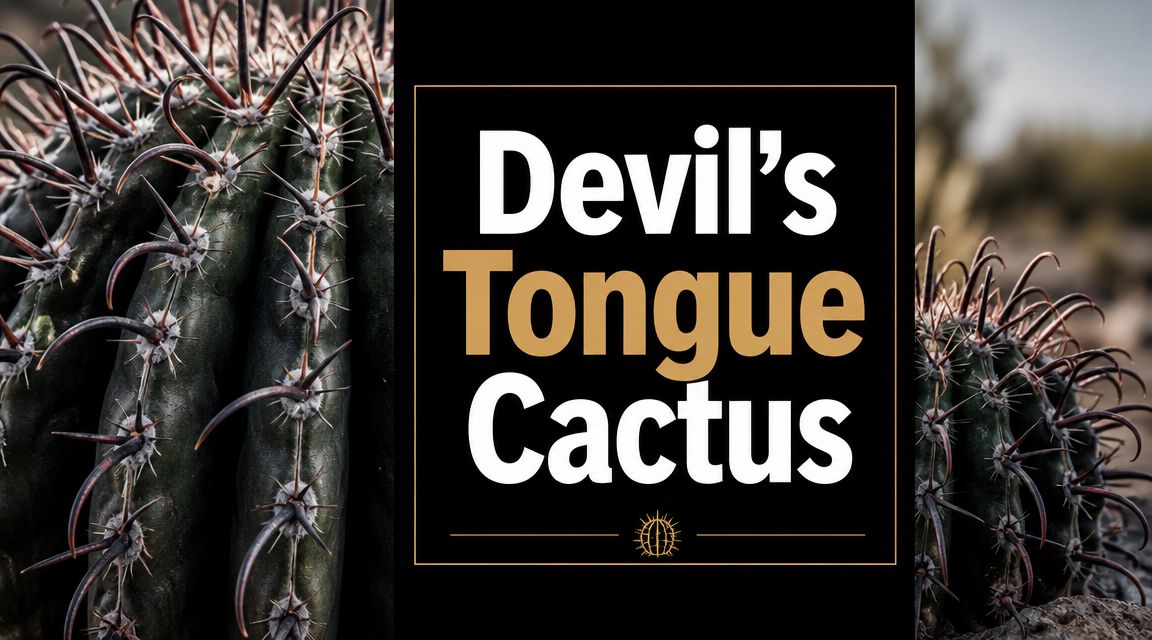
Then look at the spines. This is the feature that stops collectors in their tracks. The central spines are often wider and flatter than you would expect on a cactus, almost like narrow strips of carved horn or forged metal rather than round needles. On many plants, one or more central spines curve outward or hook slightly, which explains the dramatic common name.
Flowers help confirm the ID, but shape should come first. Bloom color is often described in the purple to rose range, and flowering usually arrives late in the growing season. A plant without flowers can still be identified with confidence if the body is barrel-shaped and the spines are broad and flattened.
Why the name causes confusion
Trouble starts with the nickname. "Devil's tongue cactus" is also used for Opuntia humifusa, a cold-hardy prickly pear. That is a completely different plant in both form and behavior.
Ferocactus latispinus comes from Mexico and grows as a ribbed barrel. Opuntia humifusa grows in pads, spreads outward, and handles winter cold far better. If you confuse the two, the care advice goes off course fast. One plant wants the classic dry, bright, sharply drained barrel-cactus treatment. The other can tolerate conditions that would not suit this species at all.
This is the mix-up many guides gloss over. The label sounds the same. The care should not.
Quick comparison you can use at a glance
| Plant sold as “devil's tongue cactus” | Growth form | Flowers | General care pattern |
|---|---|---|---|
| Ferocactus latispinus | Rounded barrel with ribs | Usually purple to rose tones | Bright light, fast drainage, protect from prolonged cold and wet |
| Opuntia humifusa | Flat pads, spreading prickly pear | Yellow | Much more cold-tolerant, different habit, different winter expectations |
A simple nursery rule helps here. First identify the skeleton of the plant, then worry about the name. Pads mean prickly pear. A ribbed barrel with flattened central spines means Ferocactus latispinus.
Fast ID test: ignore the common name for a moment and check the body form. A true devil's tongue from The Cactus Outlet is the barrel cactus, not the pad-form prickly pear.
Essential Care The Devil's Tongue Craves
Good cactus care isn't about doing more. It's about doing the right things less often. With devil's tongue cactus, success comes from copying the basic rhythm of its native dry habitat: strong light, deep but infrequent watering, and soil that sheds moisture fast.

Light that keeps the plant compact
This cactus wants bright conditions and plenty of direct sun. Indoors, the brightest window you have is usually the right starting point. Outdoors, introduce stronger sun gradually if the plant has been grown under shade cloth or behind glass.
A useful analogy is a person adjusting to summer. Someone who has stayed indoors all season can still enjoy strong sun, but not all at once. A cactus moved too suddenly into harsh exposure may show stress before it settles in.
Look at the body, not just the label. If the cactus starts stretching, leaning, or losing that dense, sturdy look, it probably needs more light. If the skin looks stressed after a sudden move, back off a little and acclimate more slowly.
Water like desert rain, not a daily sprinkler
The simplest method is soak and dry. Water thoroughly, then wait until the potting mix dries out before watering again. That dry pause isn't neglect. It's what keeps the roots alive.
What kills more cacti than anything else in ordinary home care is water sitting too long around the roots. When people “play it safe” with small frequent sips, they often keep the lower root zone damp. That's the opposite of what a desert cactus wants.
Use this checklist:
- Water thoroughly: let water move through the root ball instead of wetting only the surface.
- Let the mix dry: check below the top layer, not just the crust on top.
- Slow down in cool weather: when growth pauses, water use drops too.
- Never follow a rigid calendar: the plant responds to light, temperature, pot size, and airflow.
Soil that breathes
Standard potting soil holds too much moisture for a barrel cactus. It stays dense, compacts over time, and can smother roots. Devil's tongue cactus needs a gritty, fast-draining cactus mix with mineral material that creates air pockets.
A good cactus mix should feel open in the hand, not heavy like damp compost. Think of the root zone as a lung. If water fills every gap and stays there, the roots can't function well.
For a broader look at the form and habits of related plants, this barrel cactus care overview offers helpful context.
A cactus mix should drain quickly enough that you can imagine a brief desert storm passing through it, not a swamp forming around the roots.
Placement habits that make care easier
Where you place the plant affects every other care task.
- Choose airflow: stagnant corners stay damp longer.
- Use a pot with drainage: decorative cachepots are fine only if the growing pot can drain freely.
- Keep handling in mind: those hooked central spines can catch skin, fabric, gloves, and sleeves.
- Give it room: a compact cactus still needs clearance around the spines.
When light, watering, and soil all line up, this species stays firm, balanced, and much easier to manage long term.
Advanced Growth and Maintenance Routines
Once your devil's tongue cactus is stable, the next goal is rhythm. This plant does best when your care changes with the season instead of staying identical all year.
Feeding without forcing soft growth
Use a cactus fertilizer during the active growing season, typically in spring and summer. Keep it modest. Cacti aren't heavy feeders, and pushing too hard can encourage weak growth that doesn't match the plant's naturally sturdy form.
If you're unsure, err on the light side. A healthy cactus grown a bit lean usually looks better than one pushed into soft, fast tissue.
Why winter rest matters
Many growers get impatient when cool weather arrives and the cactus seems to do less. That's normal. In winter, reduce watering and skip feeding. The goal is a cool, dry rest, not constant activity.
That rest period helps the plant reset. It's similar to a musician pausing between movements instead of playing every note at full volume all year.
Let winter be quiet. A cactus that never gets a rest often stays alive, but it may not perform like a mature specimen should.
Repotting without losing skin
Because this species is solitary and slow, it doesn't need constant repotting. Repot when the mix has broken down, when drainage has noticeably worsened, or when the plant feels top-heavy in its container.
A safe routine looks like this:
- Prepare first: have fresh gritty mix, a clean pot, tongs or folded newspaper, and gloves ready.
- Keep the next pot sensible: move up only slightly. Too much extra soil can stay wet longer than the roots can use.
- Lift by protection, not by bravery: use a rolled towel, layers of newspaper, or cactus tongs to grip the body.
- Check the roots: trim dead or mushy material with a clean blade.
- Settle the plant high enough: don't bury the body deeper than it was before.
- Wait before watering: give disturbed roots time to recover in fresh dry mix.
Small habits collectors rely on
A few maintenance habits make a big difference:
- Rotate indoor plants: this keeps growth more even if light comes strongly from one side.
- Inspect the crown and ribs: pests often hide where spines emerge.
- Clean away dead debris: old petals and trapped litter can hold moisture where you don't want it.
- Handle less often: every move is a chance for spine injury or accidental damage.
A mature devil's tongue cactus rewards steady, low-drama care. It isn't demanding. It just notices when you're inconsistent.
Propagation From Seed A Complete Guide
Want more devil's tongue cacti? With the true devil's tongue, Ferocactus latispinus, seed is usually the realistic path. This is one place where the name mix-up matters. The cold-hardy Opuntia humifusa can spread by pads, but the barrel cactus sold by The Cactus Outlet is a solitary plant, so you are raising the next generation from seed rather than taking easy offsets.

A patient grower's method
Start with fresh seed and a shallow, clean container. Use a sterile sowing mix that drains fast but still holds a little surface moisture. A fine cactus mix with extra pumice, grit, or coarse sand works well. The goal is a seedbed that stays lightly damp without turning dense or swampy.
Scatter the seeds on the surface and press them in gently, or cover them with only the thinnest dusting of mix. Tiny cactus seed does not have the stored energy to push through a heavy layer of soil. After sowing, moisten the mix evenly and cover the container with a clear lid or plastic bag to trap humidity. It works like a mini greenhouse, but only for the early stage.
Place the container in bright indirect light and steady warmth. Direct sun can overheat a closed container fast, especially on a windowsill.
What to expect after germination
Seedlings of Ferocactus latispinus start small and plain. That can surprise new growers who expect little barrels right away. Early growth is more about building roots and a stable body than showing dramatic spines.
A simple routine helps:
- Keep the surface lightly moist at first: seedlings dry out faster than mature cacti.
- Vent the container in stages: once most seeds have sprouted, begin giving them short periods of fresh air each day.
- Increase light slowly: gentle morning sun or brighter filtered light is safer than a sudden jump to full exposure.
- Prick out only after they are sturdy: wait until each seedling can handle transplanting without collapsing or tearing at the base.
Two problems trip up beginners. The first is fungal loss from stale, soggy conditions. The second is impatience. If you see algae, fuzzy growth, or tiny flies around the tray, adjust moisture and airflow early. This guide to managing common grow room pests is helpful if fungus gnats show up around seed-starting containers.
If you have only rooted pads or stem pieces before, this how to propagate cactus from cuttings guide helps explain why seed-grown solitary barrel cacti follow a slower, more careful rhythm.
Solving Common Pests and Diseases
Most problems on devil's tongue cactus don't start as disasters. They start as small visual clues. If you learn to read the symptoms early, you can usually act before the plant declines badly.
White fuzz, sticky spots, or cottony clusters
These signs usually point to mealybugs. They often gather in tight spaces where ribs, areoles, and spines meet. On a barrel cactus, that means you need to inspect carefully rather than glance at the surface and assume all is well.
Start by isolating the plant. Dab visible insects with isopropyl alcohol on a cotton swab, then follow up with a suitable insecticidal soap if needed. Check around the base and, if the infestation persists, inspect the roots during the next repot because root mealybugs can hide below the soil line.
Fine webbing and a dull, tired look
This usually suggests spider mites. They can be easy to miss until the cactus loses some color and vigor. Dry indoor air often gives them an advantage.
Respond in layers:
- Rinse carefully: a gentle wash can reduce the population.
- Improve air conditions: avoid stale, dusty corners.
- Use an appropriate control: horticultural products labeled for mites are often more effective than general insect sprays.
- Repeat checks: one treatment rarely ends the problem.
If you deal with recurring soil-related insect issues around your plant bench, this guide to managing common grow room pests gives a useful overview of how moisture and organic debris invite trouble.
Catch the symptom before you chase the cure. A fuzzy patch, a sticky areole, or a faint web often tells you more than a long list of possible pests.
A mushy base or sudden collapse
This is the symptom growers dread because it often means rot, usually from soil staying wet too long. The base may discolor, soften, or smell off. At that point, the issue isn't feeding or sunlight. It's tissue breakdown.
Act fast:
- Unpot the cactus immediately.
- Remove wet soil from the roots.
- Cut away all soft, dark, rotten tissue with a clean blade.
- Let the wound dry and callous in a dry place.
- Repot into fresh, dry, gritty mix.
- Wait before watering.
If the rot has moved too far into the body, the plant may not recover. That sounds harsh, but it's why prevention matters so much with barrel cacti. Dry roots recover. rotted tissue rarely does.
Designing with Your Devil's Tongue Cactus
Some plants fill space. Devil's tongue cactus shapes it.
Its strength in design comes from contrast. The body is rounded and orderly. The spines break that order with drama. In a simple pot, the whole plant reads like a natural sculpture rather than filler greenery.

Indoor placement that looks intentional
A single specimen works beautifully in a clean container with strong lines. Matte clay, stone-finish pots, and simple dark planters all let the ribs and spines take center stage. If the room already has many textures, keep the pot understated. If the room is minimal, the cactus becomes the accent.
I often suggest treating it the way you'd treat a ceramic object or a carved bowl. Give it breathing room on a bench, shelf, or pedestal where the silhouette stays visible.
Outdoor use in dry compositions
In suitable warm climates, this cactus fits naturally into rock gardens, gravel beds, and water-wise planting schemes. It pairs well visually with agaves, aloes, low succulents, and ornamental grasses because each form speaks a different design language. The barrel shape anchors the scene while narrower or looser plants soften the edges.
A few placement ideas work especially well:
- Use one strong specimen near an entry: it creates a memorable focal point.
- Set it in a shallow gravel top-dress: that finish makes the plant look cleaner and more deliberate.
- Group by form, not by name: combine round, upright, and strappy shapes for balance.
- Keep pathways clear: the hooked spines deserve distance from ankles and sleeves.
A good cactus display doesn't need many plants. It needs one plant placed where people can actually see its architecture.
The best designs don't hide devil's tongue cactus among busy foliage. They let the plant do what it does best, which is hold attention without looking forced.
FAQ and Buying from The Cactus Outlet
A few questions come up over and over with devil's tongue cactus, especially from buyers who are new to barrel cacti or who have been burned by the common-name mix-up.
Common questions buyers ask
Why isn't my cactus flowering
Usually the issue is one of three things: not enough strong light, no real winter rest, or simple immaturity. This species grows slowly, so a younger plant may need time before it settles into a flowering cycle. If the plant is healthy and compact, patience is part of the process.
How do I move it without getting stabbed
Use folded newspaper, a rolled towel, or cactus tongs. The central spines can hook into fabric and skin, so slow handling beats brave handling every time. Clear your path before lifting the pot.
Can I grow it in a container long term
Yes. Its compact habit makes it well suited to container growing when the soil drains fast and the pot has proper drainage. Many growers prefer container culture because it gives them tighter control over moisture and placement.
What should I look for when buying one online
Look for a plant with firm tissue, even shape, and no obvious signs of rot, pests, or fresh mechanical damage. A healthy specimen should look solid and stable, not stretched or shriveled. Read the listing carefully so you know whether you're buying the true Ferocactus latispinus rather than a different plant sold under the same common name.
Buying with fewer surprises
When you order cactus online, the smartest buyers think past the checkout page. They consider packing, transit stress, and acclimation after arrival.
Use this checklist:
- Confirm the botanical name: common names aren't enough.
- Expect some dryness on arrival: that's usually safer for shipment than wet soil.
- Unbox promptly: don't leave the package sitting in heat or cold.
- Inspect before watering: shipping stress and immediate watering don't always mix well.
- Acclimate to sun: a newly arrived cactus may need a gradual move into its brightest position.
If you want a specialized source with a strong cactus-focused selection, detailed listings, and shipping built around live plant care, The Cactus Outlet is a practical place to shop. Their catalog is useful for both collectors looking for standout specimens and buyers who want a reliable first barrel cactus without guessing at quality.
If you're ready to add a true devil's tongue cactus to your collection, browse The Cactus Outlet for cactus-focused selection, clear plant listings, and shipping designed for live desert plants. It's a strong option when you want the right plant, properly identified, and packed by people who understand what spines, roots, and transit stress require.