

Are you trying to buy a plant, or are you looking for a craft project that only looks like one?
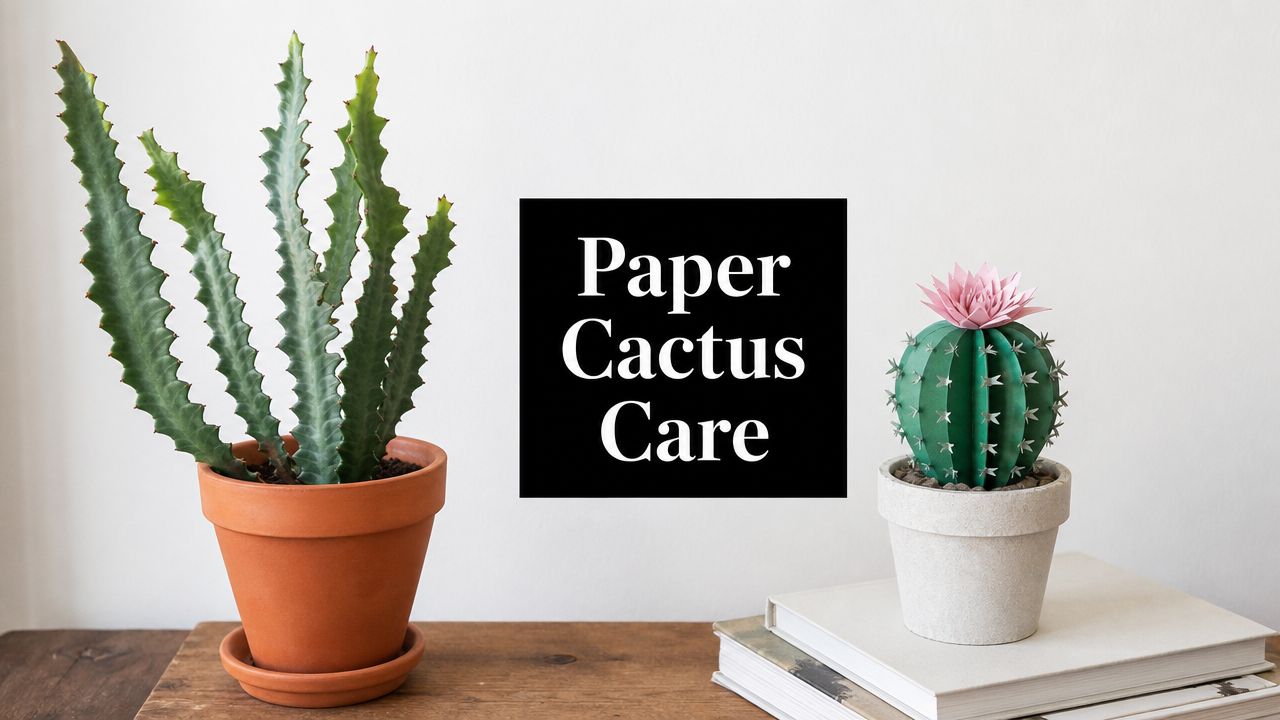
That simple question causes a lot of confusion around the term paper cactus plant. Some people mean a real cactus with papery spines. Others mean a handmade decoration cut from cardstock or other craft materials. Both are valid. They just belong to completely different worlds.
As a nursery person, I see this mix-up all the time. Someone asks for a paper cactus, expecting a cute desk accessory, and instead finds a collector cactus from Argentina. Another person searches for care tips and gets a tutorial with scissors and glue. If you've landed here, you're in the right place for both meanings, with the living plant taking center stage.
The Two Worlds of the Paper Cactus Plant
The phrase paper cactus plant can point to two very different things.
One is a real cactus called Paper Spine Cactus, Tephrocactus articulatus var. papyracanthus. It's a living succulent from western Argentina with stacked segments and pale, flattened spines that look almost like bits of paper. The other is a paper craft cactus, an artificial plant made from cardstock, crepe paper, felt, or mixed media.

How the two meanings overlap
They share a name because both have a papery look. The living plant earns that description from its unusual spines. The craft version borrows the cactus form and turns it into decor.
That overlap makes sense when you remember how distinctive cacti are as a plant family. 1,749 of the roughly 1,750 cactus species are native only to the Americas, which helps explain why cacti became such an important group in botanical study and collecting history in the Western Hemisphere, as noted in this overview of cactus diversity in the Americas.
Quick distinction: A real paper cactus plant grows, roots, and needs careful moisture control. A craft paper cactus plant sits on a shelf and needs good construction if you want it to last.
Which one are you looking for
A fast way to tell:
- If you want care advice, sunlight, watering, or propagation, you mean the living plant.
- If you want decor ideas, templates, cardstock, or gift-making, you mean the craft version.
- If you want both, that's more common than you'd think. Plant lovers often enjoy the botanical oddity of the actual species and the styling flexibility of a faux one.
Here's the useful way to think about it. The craft version is inspired by cactus shape. The natural version is interesting because it already looks slightly unreal. That's why the living Paper Spine Cactus catches collectors' attention so quickly. It has that sculptural, almost handmade appearance before anyone ever turns it into a design idea.
Meet the Real Paper Spine Cactus
What is the actual plant people usually mean when they search for a paper cactus plant?
In plant terms, they are usually talking about Tephrocactus articulatus var. papyracanthus, commonly called Paper Spine Cactus. This is the living version behind the crafty name. The paper effect does not come from leaves or flowers. It comes from the cactus's unusual spines, which are flat, pale, and dry-looking, almost like narrow strips of parchment attached to each segment.

What makes it look so different
If you are picturing a round barrel cactus or a tall column with deep ribs, reset that image. Paper Spine Cactus grows in joints. Each segment is chunky, slightly tapered, and stacked in a way that can remind you of a tiny pine cone or a string of carved wooden pieces. That segmented structure is one reason beginners are not always sure what they are looking at.
The plant's name helps explain the visual trick. "Papyracanthus" refers to the papery spines, and those spines are the feature that gives the cactus its soft, almost handmade appearance. From across the room, they can look delicate. Up close, they still deserve respect. The plant also carries glochids, the tiny barbed bristles many cacti use for defense, so handling it bare-handed is a quick way to learn the difference between "papery" and "safe."
Its overall shape can be a little irregular, which is part of the appeal. One plant may stay compact and upright. Another may branch into an offbeat little clump. If you are still learning how to tell unusual cacti apart, a good cactus identification guide helps put this species in context.
Why collectors notice it so quickly
Collectors tend to like plants that have a clear personality, and this one certainly does. It has texture before it has size. Even a small specimen can look like a finished sculpture sitting in a clay pot.
It also rewards close observation. New growers often expect all cacti to make a strong first impression with height, heavy spines, or dramatic flowering. Paper Spine Cactus works differently. Its charm is quieter. The stacked joints, pale spines, and slightly awkward branching give it the kind of character that makes people pause, look again, and then want one of their own.
That is also why the search term gets messy. A paper craft cactus borrows this species' odd, stylized look. The living plant arrived there first.
Some cacti impress with size. This one holds your attention with texture, structure, and that strange paper-like finish.
Native habitat gives you the care clues
The best way to understand this cactus is to start with where it comes from. It is native to western Argentina, a dry region where strong light and quick drainage are normal parts of life. Once you know that, its preferences make much more sense.
Here is the practical translation for growers:
- Bright sun supports compact growth
- Fast-draining soil protects the roots
- Long spells of dampness create trouble fast
That background explains why this cactus struggles in the same setup that suits many leafy houseplants. Regular potting mix holds too much moisture. A dim shelf asks the plant to grow without enough energy. Put those two conditions together and the cactus often becomes weak, stretched, or prone to rot.
I often tell new cactus growers to treat this species like a desert plant wearing tissue paper armor. It looks delicate, but its needs are still those of a sun-loving cactus. Once that idea clicks, the rest of its care becomes much easier to understand.
Essential Care and Growing Conditions
Paper cactus plant isn't difficult once you understand its rules. Most failures come from treating it like a typical houseplant. It's not one. It's a dry-climate cactus that reacts badly to stale moisture, weak light, and heavy soil.
Light and placement
This plant wants full, direct sun. If you grow it indoors, give it your brightest window. A dim shelf across the room won't do much except encourage weak growth.
When light is too low, the plant loses its compact look. Stems can become thin and less sturdy. That's one of the earliest signs that the location is wrong.
A few practical placement ideas:
- South-facing windows: Usually the first place to try indoors.
- Outdoor patios: Good in warm seasons if you acclimate the plant gradually to stronger sun.
- Bright greenhouses or sunrooms: Often ideal because they combine light with airflow.
Practical rule: If you're debating whether the spot is bright enough, it probably isn't.
Watering without guesswork
Moisture management is the key skill with this cactus. Multiple cultivation sources recommend watering thoroughly only after the substrate has fully dried, with reduced irrigation in winter and low-light periods. A mineral-heavy cactus mix is preferred, and one expert grower recommends roughly 70 to 80% mineral grit such as pumice, perlite, or coarse sand to reduce the risk of rot, as described in this guide to Paper Spine Cactus growing conditions.
That sounds technical, but the daily practice is simple.
- Check the potting mix.
- If it's still damp, wait.
- If it's fully dry, water thoroughly.
- Let excess moisture drain away completely.
The biggest beginner mistake is “small sips” on a schedule. That keeps part of the root zone damp too often. This cactus does better with a true soak-and-dry rhythm.
Soil that protects the roots
Regular indoor potting soil holds too much moisture for this species. The goal is a mineral-heavy mix with lots of air space. Think gritty, loose, and quick-draining.
A good setup often includes materials like:
- Pumice: Helps maintain air pockets
- Perlite: Lightens the mix and improves drainage
- Coarse sand: Adds structure when used appropriately
- Cactus blend base: Useful if it isn't peat-heavy and dense
If you want a ready reference for texture and drainage goals, this cactus and succulent soil mix article shows the kind of fast-draining approach growers aim for.
Temperature and seasonal caution
This is not the cactus to leave exposed to repeated freezing conditions. It may tolerate cold briefly in some situations, but frost protection is the safer choice. Indoors, the bigger issue is often winter overwatering, not winter chill.
Here's a simple seasonal view:
| Season | What the plant usually needs |
|---|---|
| Spring | Strong light, careful return to deeper watering as growth picks up |
| Summer | Full sun, excellent drainage, thorough drying between waterings |
| Fall | Gradual slowdown, continued bright light |
| Winter | Much less water, especially in cool or low-light conditions |
A healthy plant usually feels firm, looks compact, and sits solidly in its pot. Trouble starts when the base stays wet, the roots lose oxygen, and tissues soften. By the time a cactus collapses from rot, the problem has often been developing unnoticed below the soil line.
Propagation and Potting Advice
One of the oddest things about this cactus is also one of its greatest gifts to growers. The segments detach easily. If you're carrying the plant from one bench to another, that can feel annoying. If you like propagating cacti, it's extremely useful.

Gardenia describes the plant as highly segmented, low-growing, and slow-growing, with joints that detach very easily. That means mechanical damage and propagation are tightly linked in practice. Detached segments can be re-rooted in a fast-draining medium, and insufficient light is associated with thin, weak stems, according to this plant profile for Tephrocactus articulatus var. papyracanthus.
How to root a detached segment
You don't need to panic if a segment falls off. In many cases, you've just been handed a cutting.
Use this approach:
-
Choose a healthy piece
A firm segment with no mushy spots is the best candidate. -
Let it dry before planting
Set it aside in a dry place so the broken end can callus. This reduces the risk of rot when it meets soil. - Use a gritty, fast-draining mix The base should sit securely, not overly buried in damp material.
-
Go easy on water at first
A fresh cutting doesn't need heavy watering. It needs time to begin rooting.
For a broader method that follows the same general logic, this guide on how to propagate cactus from cuttings is a useful companion.
A fallen segment isn't always a setback. With this cactus, it's often the start of a new plant.
A video can also help if you learn better by watching handling and timing in action.
Potting without causing extra breakage
This species benefits from a patient hand. Don't squeeze the segments. Don't force it into a tight decorative pot. Don't overpot it in a container that stays wet too long.
A few potting habits make life easier:
- Use terracotta when possible: It dries faster than many glazed containers.
- Pick a pot only slightly larger than the root area: Extra soil volume can hold moisture longer than the plant can use.
- Stabilize top-heavy clumps: A layer of gritty top dressing can help support upright segments.
- Handle from the base or pot edge: Not from the segment tips.
Repotting with less stress
Repot only when the plant needs it. Signs include an unstable root ball, exhausted soil structure, or a clump that no longer sits securely.
When repotting, I like to prepare the new mix first, set the plant down gently, and work in small adjustments rather than trying to do everything quickly. This is one cactus that punishes rushed hands. If a few joints separate, save them. Let them dry. Pot them later.
That's the pleasant twist with Paper Spine Cactus. Its fragility isn't just fragility. It's also built-in propagation.
How to Fix Common Problems
Most problems with a paper cactus plant come down to one of three issues. Too much water, too little light, or stress from handling and pests. The good news is that the symptoms are often readable if you know what to watch for.
Soft base or collapsing segments
If the lower part of the plant feels mushy, or the segments start declining from the bottom, suspect excess moisture first. This cactus dislikes staying wet around the roots. Heavy soil, poor drainage, or frequent watering can start the decline.
Try this response:
- Remove the plant from wet soil: Check whether roots are firm or decayed.
- Cut away obviously rotted material: Use clean tools.
- Save healthy detached segments: Let them dry and root them separately if needed.
- Repot into a gritty dry mix: Wait before watering again.
Thin or weak growth
When the cactus starts looking stretched, narrow, or less compact, light is usually the issue. This species keeps a sturdier form under stronger sun. In dim rooms, growth becomes weak and less attractive.
A simple correction works best. Move it gradually to a brighter location, then hold back on watering until you see steadier growth. Weak growth doesn't toughen up overnight, but new segments should improve when the light improves.
If a cactus looks like it's reaching instead of stacking, check the light before you check anything else.
Pests and cosmetic issues
Like many potted succulents, this plant can attract common indoor pests such as mealybugs or spider mites. You may notice cottony bits in crevices, fine webbing, or dull-looking tissue.
Use a calm, practical routine:
| Symptom | Likely issue | First response |
|---|---|---|
| Cottony white clusters | Mealybugs | Isolate the plant and clean affected areas |
| Fine webbing or stippling | Spider mites | Improve inspection, clean the plant, and monitor closely |
| Broken joints after handling | Mechanical stress | Save healthy pieces for propagation |
Not every scar or detached segment means the plant is in danger. This cactus naturally sheds pieces more readily than many others. Distinguish between a normal break and a plant that's softening from poor root health. Firm tissue usually means you still have good options.
Faux Paper Cactus and Creative Styling
What does someone mean when they search for a "paper cactus plant"? Sometimes they want a craft project made from cardstock. Sometimes they mean the living Paper Spine Cactus you can grow. This section clarifies that distinction, giving the craft version its own focus while maintaining the plant as the botanical reference point.

Build the craft version to last
A paper cactus works best as decor when it is built more like a small sculpture than a quick school project. Canson's paper cactus craft durability overview walks through the basic construction, and it points crafters toward the choices that affect how well the finished piece holds up over time. That matters because paper can slump, fade, or warp long before the design itself stops being appealing.
The practical lesson is simple. Strong paper gives the cactus body, much like a good pot gives a real cactus stability. If the material is too thin, the pads and ribs start to droop. If the base is light or loosely glued, the whole piece feels temporary.
For a faux cactus that still looks tidy months later, focus on a few build decisions:
- Choose heavier cardstock: It keeps cleaner edges and resists bending.
- Layer shapes with intention: A few well-cut layers usually look better than lots of tiny details.
- Secure the base firmly: Weight and balance matter, especially for shelf display.
- Keep it away from steam and harsh sun: Bathrooms and bright windows can shorten the life of paper decor.
If you enjoy structured handmade projects, this guide for new plastic canvas crafters is also useful, especially for plant-themed decor with a more architectural look.
Styling real and faux together
A living Paper Spine Cactus and a paper cactus do different jobs in a room. The living plant brings texture, growth, and the small changes that make houseplants interesting. The faux version holds its shape in spots where a cactus would struggle, such as a dim office shelf or a narrow bookcase far from a window.
That difference is useful, not limiting.
Try pairing them in ways that make sense for each one:
- Collector shelf: Use the living cactus where it gets proper light, then place the paper version lower or deeper on the shelf where light drops off.
- Gift pairing: A rooted cutting and a handmade paper cactus make a thoughtful set, one temporary and one growable.
- Work desk or studio: Keep the living cactus near the brightest window, and use the faux piece as a repeating shape elsewhere in the room.
- Seasonal styling: Rotate paper flowers, pots, or colors around the faux cactus without disturbing the living plant.
The best faux cactus does not need to imitate a real one perfectly. It works more like a botanical sketch turned three-dimensional. The best real cactus brings the original form, with all the irregularity and character that paper is trying to echo.
If you're ready for the living version, The Cactus Outlet offers cactus plants, care information, and growing resources that can help you choose and maintain species with more confidence.