


You’re probably staring at a few listings right now and noticing the same problem most buyers hit with a mexican fire barrel cactus for sale search. The photos are dramatic, but the details can feel slippery. One plant is listed by gallon size, another by height, and another just says “large specimen” with no real help on what that means in your space.
That confusion makes sense. A Mexican Fire Barrel isn’t a casual filler plant. It’s a statement cactus. If you buy the right one, it can anchor a gravel garden, sharpen up a patio, or turn a sunny room into something far more architectural. If you buy the wrong one, you end up with a plant that’s too small for the job, too large for the path, or not what you thought you ordered.
An Introduction to the Majestic Fire Barrel Cactus
You find a listing for a Mexican Fire Barrel online, fall for the red spines, then hit the first real question. Is this a compact young plant for a patio pot, or the kind of specimen that will eventually command an entire garden bed? That is the moment this cactus stops being just eye-catching and starts becoming a buying decision.
The name Mexican Fire Barrel Cactus is commonly used for striking plants in the Ferocactus genus, especially forms buyers associate with bold red spination and a strong barrel-shaped body. What draws people in is simple. These cacti have thick, pronounced ribs, dense clusters of spines, and a presence that reads more like living architecture than ordinary greenery.
The color contrast is what gives the plant its reputation. A sturdy green body can be wrapped in pale bristles, longer red central spines, or a mix of both, creating the glowing "fire" effect shoppers usually want. If you want a better sense of how barrel cacti are grouped before comparing listings, this barrel cactus identification guide helps sort out the look-alikes.
A good way to judge this plant is to treat it like a permanent outdoor feature or a serious container specimen. You are not just buying color. You are choosing scale, form, and how much visual weight you want in the space.
That matters even more online.
A fire barrel that looks manageable in a close-up product photo can arrive much larger, heavier, or more heavily armed than expected. That is part of the appeal, but it also means buyers need to read beyond the name. Pot size, stated height, spine density, and shipping method all shape whether the plant fits your entryway, courtyard, or sun-drenched patio.
People usually choose this cactus because they want a plant that looks intentional without demanding constant attention. That instinct is usually right. Given strong sun, fast-draining soil, and room to mature, a Mexican Fire Barrel can hold its shape for years and become the kind of plant guests ask about the moment they see it.
Identifying the True Mexican Fire Barrel Cactus
A customer sees a red-spined barrel cactus online, clicks fast, and assumes the name tells the whole story. Then the plant arrives looking broader, woollier, taller, or more heavily armed than expected. That mismatch usually starts with identification, not shipping.

The safest way to identify a true Mexican Fire Barrel Cactus is to read the plant in layers, the same way a nursery grower does. Start with the body shape. Then study the ribs. Finish with the spine pattern and color. Color gets attention first, but structure gives the more reliable answer.
What to look for first
A true Mexican Fire Barrel usually has a strong barrel to short-column form, pronounced ribs, and dense spination that creates a fiery halo from a distance. The green stem should look full and firm, not pinched or wrinkled, and the ribs should appear distinct rather than rounded over. On many specimens, you will see a mix of shorter pale or grayish bristles and longer red central spines. That contrast is what gives the plant its dramatic look.
Names can still get messy online. Some sellers use “fire barrel” as a visual label rather than a precise botanical one. If you want a broader visual reference before comparing listings, this barrel cactus identification guide helps separate common look-alikes.
One simple rule helps. Judge the cactus by its framework first and its color second.
How similar plants differ
Several red-spined Ferocactus species can look close in a product photo, especially when the image is cropped tightly. A close photo of spines alone is like judging a tree by a single leaf. You need the full outline to know what you are buying.
- Ferocactus pilosus often matches what buyers expect from the classic Mexican fire barrel look. It develops a bold, upright presence with strong red spines.
- Ferocactus gracilis 'Coloratus' is often chosen for intense spine color contrast and a very showy, collector-friendly appearance.
- Ferocactus pringlei can read heavier and more massive, with a different overall silhouette as it matures.
Those differences matter in a garden and in a shopping cart. One plant may stay visually compact for longer in a container. Another may mature into a taller specimen that needs more clearance from walkways, doors, or poolside seating.
What product photos should confirm
Online listings rarely give you the same confidence as seeing the plant on the nursery bench, so use the photos as an inspection tool. A healthy specimen should show clear rib definition, even spine coverage, and balanced growth from top to bottom. If the cactus leans hard to one side, looks stretched, or shows wide bare patches between areoles, ask the seller whether the plant was recently shaded, stressed, or bumped during handling.
Look closely at the skin, too. Small corking marks or minor scars can be normal on older cactus specimens, especially on lower sections. Large soft spots, dark sunken areas, or damage around the crown deserve more scrutiny because they can point to stress or rot.
A red-spined barrel cactus can be beautiful and still be the wrong species for your space. The ribs, spine spacing, body shape, and overall proportions tell you much more than the name alone.
Choosing Your Perfect Specimen Online
You are staring at two listings for a Mexican Fire Barrel cactus. One says 5 gallon. The other says 24 inches tall. Both photos look impressive, and the prices are nowhere near each other. That is the point where many buyers get stuck.
Online cactus shopping gets easier once you know what each listing detail measures. Pot size tells you how much root room the plant has had. Height tells you how much presence it will have the day the box is opened. Neither one gives a complete picture on its own, just as shoe size tells you something about fit but nothing about comfort.
Gallons versus height
A gallon rating refers to the nursery container, not a fixed body width or a guaranteed age. Growers use the same pot size for plants with different growth rates, spine density, and overall proportions. A stout, broad specimen in a smaller container can look more substantial in an outdoor setting than a taller, narrower cactus in a larger pot.
Height matters if you want a ready-made focal point near an entry, courtyard wall, or pool area. Container size matters if you care about root development and how quickly the plant can establish after transplanting. The best listings show both. If only one appears, ask for the other before you buy.
A good way to read it is simple. Gallons describe the plant's current housing. Height describes its current stage presence.
A simple buying table
Online sellers do not always publish exact age, and cactus growth speed changes with light, heat, root space, and how long the plant has been held in that pot. A practical buying table works better than chasing a precise birthday.
Mexican Fire Barrel Cactus Size and Pricing Guide
| Pot Size | Approx. Height | Estimated Age | Price Range (USD) |
|---|---|---|---|
| Small rooted plant | Small starter size | Younger plant | $44.99 to under mature specimen pricing |
| 1 to 15 gallon sizes | Varies by grower and form | More established | Varies by listing |
| Mature specimen | Large statement size | More mature plant | $300+ |
Use that table as a shopping map, not a promise. Two plants in the same size class can feel very different in person because rib depth, spine length, and body fullness affect visual weight.
How to judge a listing like a nursery owner
Photos are doing a lot of work for you online, so read them carefully.
- Check the full plant, not just the crown. Sellers often photograph the most colorful top growth. You also want to see the lower ribs and the base near the soil line.
- Compare the cactus to something familiar. A pot rim, a hand truck, or nursery bench gives scale. Without that reference, a medium barrel can look like a giant specimen.
- Look for even form. Balanced ribs and consistent spine coverage usually point to steady growth.
- Study the pot-to-plant ratio. If the cactus looks oversized for the pot, ask whether it is root-bound or recently shifted into that container for sale.
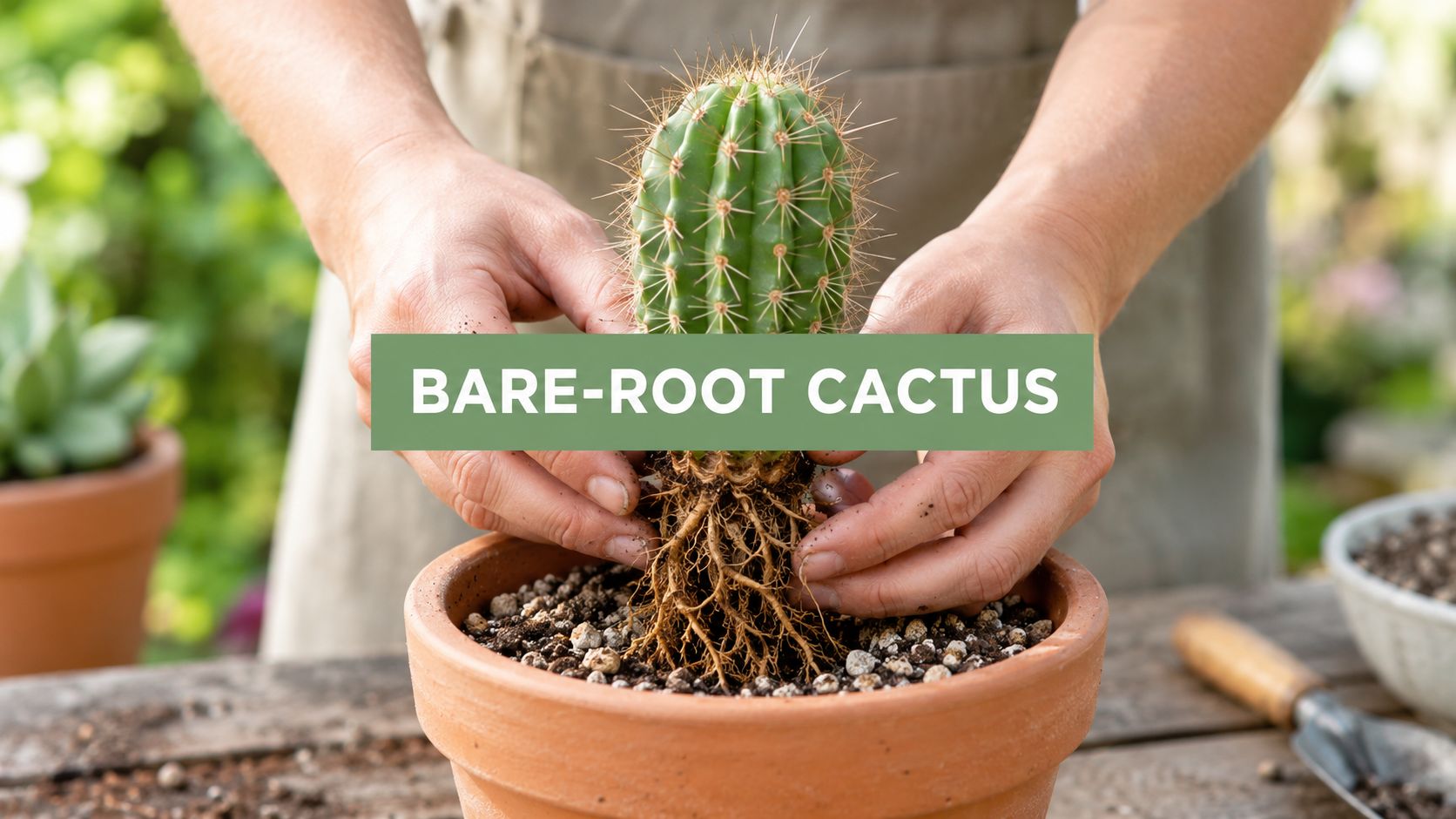
- Read the shipping note as closely as the title. Large, spiny plants often ship bare root or with the soil protected. That affects what you need to do on arrival.
If you want to train your eye before buying, browsing a broader range of cactus plants for sale helps you see how size classes, photography styles, and pot labels can change the look of a listing.
Questions worth asking before checkout
A strong listing answers several buying questions before you have to email the seller. If it does not, ask anyway.
- Is the plant shown the exact specimen or a representative example?
- Will it ship in the pot or bare root?
- What are the current height and width at the widest point?
- Are minor spine breaks or surface scars already present?
- Has the cactus been grown in full sun, shade cloth, or greenhouse light?
That last question matters more than many buyers expect. A cactus grown under softer light may need a slower transition outdoors after arrival, even if it looks healthy in the product photo.
Buy for placement, not just for price
The best value is the plant that fits the space on day one and still fits it years from now. A smaller specimen can be the smarter purchase for a tight patio, decorative pot, or narrow side yard. A larger barrel makes sense when you want immediate structure and have room to keep people clear of the spines.
If your goal is a statement cactus, picture the finished placement before you click Buy Now. Measure the width of the site, the distance from foot traffic, and the size of the container if you are keeping it potted. That five-minute check prevents the most common online buying mistake. Ordering a dramatic plant that has nowhere safe to live.
Your job at checkout is not just choosing a cactus. It is choosing the right stage of cactus for your space, budget, and comfort level when the shipment arrives.
Safe Shipping Unboxing and Initial Inspection
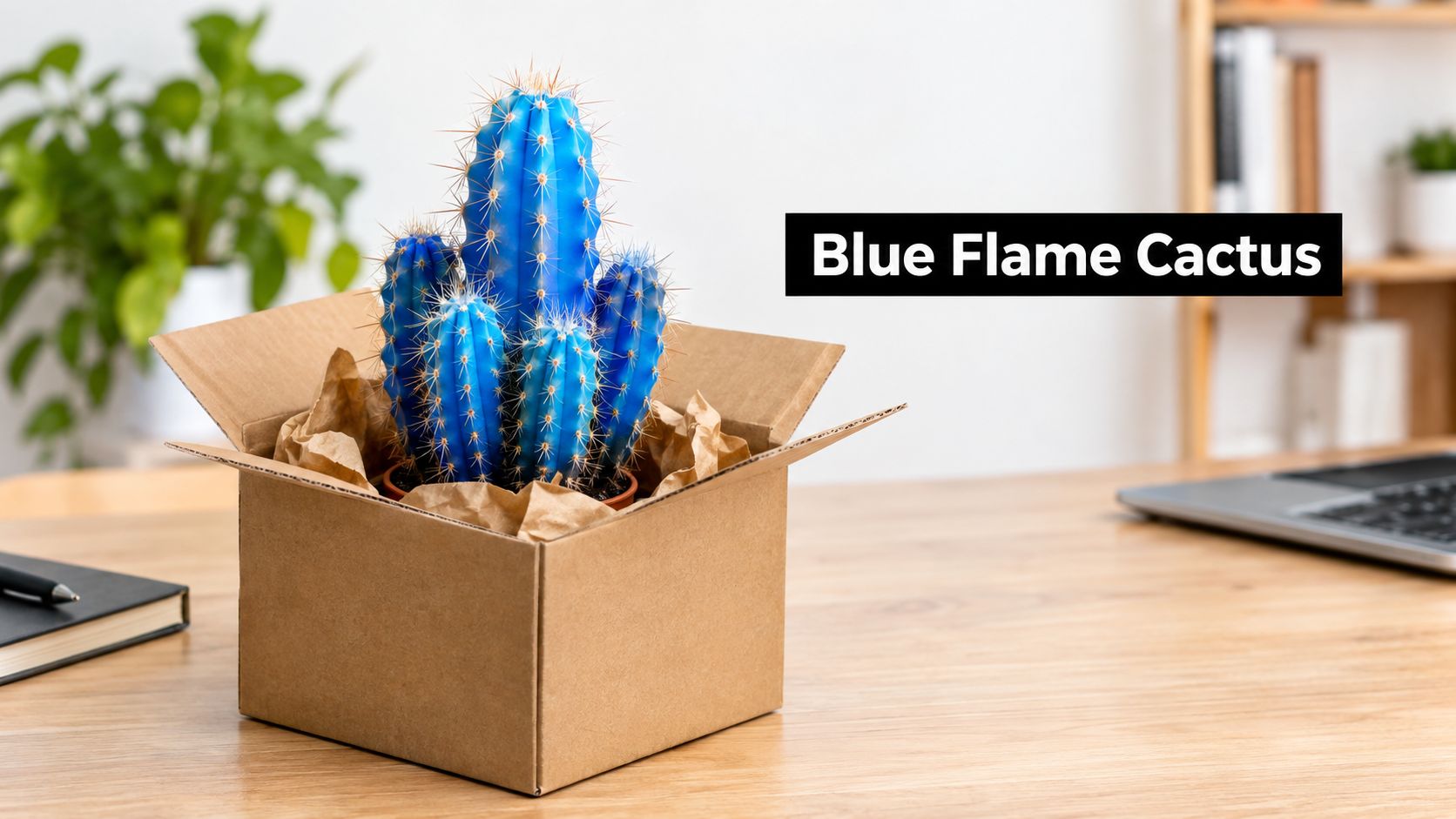
The box is on your porch, and this is the moment many first-time buyers tense up. A Mexican Fire Barrel travels better than its spines suggest, but it still arrives as a heavy, rigid plant with plenty of sharp points and very little flexibility. Good packing protects it. Careful unboxing protects both you and the cactus.

What to expect after shipping
Minor cosmetic wear is normal with a mature barrel cactus, especially on longer spines near the ribs. A broken spine or a light surface scuff does not usually affect the plant’s health. The body of the cactus matters far more than a few imperfect spines.
Treat the first inspection the way a nursery does. You are checking for structural damage, not chasing perfection.
Soft spots, a sour smell, wet blackened tissue, or a body section that looks crushed deserve attention right away. Dry roots on a bare-root plant are normal. Slightly loose surface soil is normal too if the cactus shipped in a pot. Soggy soil is the condition that calls for extra caution, because moisture held around stressed roots can create problems fast.
How to unbox without hurting yourself or the plant
Work slowly and keep the box flat on a steady surface. If the plant is large, have a second person nearby before you cut anything open. Barrel cacti are awkward in the same way a bowling ball is awkward. The weight is concentrated, and there is no safe place to grab with bare hands.
Follow this order:
- Open the top of the box carefully and keep the blade shallow so it does not scrape the skin.
- Remove filler in small sections instead of pulling out a large wad that may catch spines.
- Use folded cardboard, thick gloves, or a towel to steady the plant at the base and sides.
- Lift straight up if possible rather than twisting the cactus out of the packaging.
- Set it down in a bright, dry spot where you can inspect it without rushing.
If the plant is wrapped tightly, peel material away bit by bit. Tugging is how spine clusters snap.
What to check during the first inspection
Start with the body. It should feel firm and hold its shape evenly from rib to rib. A healthy Fire Barrel looks solid, even if shipping left a few superficial marks.
Then check these three areas:
- Skin and ribs. Look for cuts, crushed sections, or any area that appears wet or collapsed.
- Crown and spine clusters. Some spine loss can happen in transit. Damage at the growing point is more serious than breakage along the sides.
- Roots or soil. Bare roots should be dry and callused, not slimy. If the plant arrived potted, make sure the mix is not soaked.
Give the cactus a short settling period before you do anything else. Set it in bright shade or filtered light with good airflow. Hold off on watering while you assess its condition and prepare the container. If you want a visual planting reference before handling a large specimen again, this guide on how to plant cactus in pots walks through the process clearly.
A calm first inspection prevents two common mistakes. Watering a stressed cactus too soon, and assuming every broken spine means the plant was harmed.
Potting and Planting for Long-Term Success
A Mexican Fire Barrel usually survives shipping better than it survives bad potting. Most losses come after arrival, when a well-meaning owner drops it into rich soil, waters too soon, and traps moisture around the roots.
Start with the pot and soil
Roots need air as much as they need water. That’s the part many beginners miss. Cacti don’t want dense, soggy mix pressing around the root ball for days.
Choose a pot with a drainage hole. Terracotta is often easier for beginners because it dries faster than less porous materials. Whatever pot you choose, stability matters. A top-heavy barrel cactus in a narrow decorative planter is asking for trouble.
For planting technique, a detailed guide on how to plant cactus in pots is useful if you want a visual reference before handling a spiny specimen.
A good planting routine
Follow this order and don’t skip steps.
- Prepare the container first. Add dry cactus mix before you handle the plant.
- Set the cactus at the same depth it was growing before. Don’t bury extra stem.
- Use protective handling materials like folded cardboard or thick gloves.
- Keep the body centered so the cactus won’t lean as it settles.
The mistake to avoid
Watering immediately after repotting is the classic error. If roots were disturbed in transit or during planting, they need time to dry and settle. Wet soil around fresh root injuries can invite rot.
A cactus can tolerate being dry for a bit. It struggles far more with damaged roots sitting in damp mix.
For outdoor planting, choose a spot with sharp drainage and enough room around the plant so people won’t brush the spines when passing by.
Essential Care for a Thriving Fire Barrel
A Fire Barrel is easy to keep once you understand what it is trying to do. In habitat, it sits in intense sun, stores water for dry spells, and grows slowly on purpose. Your job is to match those conditions closely enough that the plant stays firm, compact, and evenly colored.

I usually explain care to customers in three parts. Light controls shape. Water protects the roots. Time brings maturity.
Light
Strong light keeps this cactus looking like a barrel instead of a stretched green football. Outdoors, give it a spot with long hours of direct sun. Indoors, place it in your brightest window, usually a south or west exposure.
New buyers often get tripped up here, especially after ordering online. A cactus may arrive from a greenhouse with some protection from the harshest afternoon sun, even if it is a full-sun plant. Move it into stronger light in stages over a week or two. That gradual shift matters because sun stress and low-light stretch can both leave marks, but they happen for opposite reasons.
If the body stays round, the spines stay dense, and new growth matches the older growth, your light level is on track.
Water
Watering is where people either keep a Fire Barrel for years or lose it in a month.
Use a soak-and-dry routine. Water thoroughly so the entire root zone gets moisture, then wait until the potting mix dries out fully before watering again. In hot, bright weather that may happen faster. In winter, especially indoors, it may take much longer than new growers expect.
A barrel cactus works like a pantry. It stores reserves and uses them slowly. That is why frequent small sips cause trouble. The soil stays damp around the roots, but the plant never gets the full wet-dry cycle it is built for.
Watch the plant and the soil together:
| Sign | What it usually means | What to do |
|---|---|---|
| Firm body, steady color, dry mix between waterings | Conditions are balanced | Keep the same routine |
| Leaning or stretched growth | Light is too weak | Increase light gradually |
| Lower body looks dull or feels soft | Roots may be staying wet too long | Stop watering, inspect soil moisture, and check roots if needed |
| Slight wrinkling after a long dry spell | The plant is using stored water | Water thoroughly if the mix is fully dry |
Feeding and flowering
Feed lightly during active growth, if at all. A low-strength cactus fertilizer used sparingly is enough. Heavy feeding can push soft growth, and soft growth is the opposite of what you want in a barrel cactus.
Flowers take patience. A small plant in a nursery pot is still a young cactus, even if it looks substantial out of the box. Larger specimens cost more partly because age is built into the price. You are paying for years of slow growth, thicker structure, and a plant that is closer to blooming size.
This is useful to remember when you shop online. A cactus listed by gallon size may still be relatively juvenile if it was recently stepped up into a larger pot. A shorter, heavier specimen with a broad body can sometimes be more mature than a taller one. For flowering potential, body mass and age matter more than height alone.
A visual care walkthrough can help if you’re the kind of grower who likes to see the process in action.
Troubleshooting Common Problems and Pests
Even tough cacti run into trouble. The key is responding early, before a small issue turns into a rotted base or a badly stretched plant.
Symptom-based diagnosis
-
Soft or mushy base
The most likely issue is root trouble from excess moisture. Take the plant out of wet soil, inspect the roots, and let damaged areas dry before replanting in a much grittier mix. -
Stretched shape or weak upward growth
That’s usually etiolation from poor light. Shift the cactus gradually into stronger light. Old stretched growth won’t reverse, but new growth can improve. -
White cottony clusters
Those often point to mealybugs. Isolate the plant and clean affected spots carefully. Then check again later instead of assuming one treatment solved it. -
Small fixed bumps on the body
Scale insects are a common suspect. Remove what you can carefully and keep monitoring.
Normal aging versus a real problem
Beginners often worry about corking. Corking usually looks like dry, hardened aging tissue near the lower portion of the cactus. If the area is dry and firm, that’s different from rot.
Rot feels soft. It may smell bad. It tends to spread.
A dry scar is usually cosmetic. A wet, collapsing patch needs action.
Practical placement questions
If you’ve got pets, children, or a narrow path, placement matters as much as pest control. This isn’t a cactus to wedge beside a doorway or next to a chair arm. Give it breathing room and keep it out of traffic.
Purchase and Care Frequently Asked Questions
You’ve found a plant you like online, the photo looks dramatic, and then the practical questions start. Will it handle your light, your doorway, your pot, and the trip to your home? Those are the questions that matter at checkout, and they matter even more once the box arrives.
Quick Answers for Buyers
| Question | Quick answer |
|---|---|
| Can I grow it indoors? | Yes, if you can give it strong direct sun for much of the day and use a fast-draining cactus mix. |
| Should I repot right away? | Usually no. Let it rest briefly after shipping unless the soil is soggy, the pot is broken, or the roots clearly need attention. |
| Is bare-root shipping normal? | Yes. Shipping a cactus dry often protects the roots better than sealing in damp soil during transit. |
| Why are larger specimens more expensive? | Size on a barrel cactus reflects time. A fuller, heavier plant took years to reach that stage and costs more to pack and ship safely. |
| Will it bloom soon after I buy it? | Only a mature plant in strong sun has a good chance. Younger specimens usually need more time. |
| Is some spine damage after shipping a disaster? | Usually not. A few broken spines are often cosmetic. Soft spots, splits, or crushed tissue deserve closer inspection. |
Final buyer reminders
A listing photo can show color and character, but it cannot show scale the way your patio, entryway, or windowsill will. Read the size description slowly. A gallon size tells you about the nursery container. Height and width tell you how much visual weight the cactus will carry in your space. Those details help you buy the right statement plant instead of a plant that only looked large in a close-up.
Handle the first day with patience. Let the cactus settle, keep it dry unless the roots are actively being potted into fresh mix, and avoid rushing it into a decorative container with poor drainage. New owners often want to "finish" the plant right away. Fire barrels reward the slower approach.
Before you buy, ask three plain questions. How much direct sun do I really have? How will I move this cactus from the delivery spot to its final home? Am I paying for mature size, or for future potential? Clear answers now save disappointment later.