


You’re probably looking at a few different fire barrel cactus listings right now and noticing two things immediately. First, they all look dramatic. Second, the pricing, naming, and sizing often feel inconsistent enough to make a simple purchase harder than it should be.
That’s common with this plant. “Fire barrel” gets used loosely across listings, and photos don’t always tell you how large a specimen will become, how bold the spine color really is, or what kind of care it will need once it lands on your porch. New buyers often want the same outcome: a cactus that looks intentional, arrives safely, and keeps its shape instead of turning into a stretched, stressed plant a few months later.
A good online buying decision comes down to three practical questions. Which variety gives you the look you want. What size makes sense for your budget and timeline. And whether you’re prepared to plant it correctly the day it arrives.
Your Guide to the Stunning Fire Barrel Cactus
A fire barrel cactus works because it does one job extremely well. It creates structure.
In a gravel courtyard, it can anchor a planting bed that would otherwise read flat. In a container by a bright entryway, it adds texture and color without asking for constant attention. Interior decorators use cacti for the same reason furniture buyers use strong accent pieces. One bold shape can carry a whole corner.
If you’re styling a room instead of an outdoor area, it also helps to think about the plant as part of the overall composition. A practical resource on trendy houseplants to complement new furniture can help you decide whether a fire barrel belongs as a single sculptural piece or alongside softer foliage plants.
A fire barrel cactus is rarely a filler plant. Buyers usually choose it because they want a focal point.
That matters when you shop online. A collector may want a younger plant with room to mature. A gift shopper often wants a compact, clean specimen that looks finished on day one. An outdoor project contractor may care less about individual symmetry and more about whether a batch reads consistently across a job site.
The useful part isn’t just finding a fire barrel cactus for sale. It’s knowing what you’re buying before checkout, what condition it should arrive in, and what you need to do in the first week so the plant settles in instead of slipping backward.
Choosing Your Perfect Fire Barrel Cactus Variety
The first decision isn’t price. It’s identity.
“Fire barrel” can refer to more than one plant in the Ferocactus group, and that creates confusion for buyers who are trying to match a listing to a specific look. Some people want intense red spines. Others want a heavier, more rugged barrel with a denser crown.
The variety most buyers picture
For many shoppers, the classic look is Fire Barrel Cactus, Ferocactus gracilis ‘Coloratus’. It’s native to Mexico and can reach up to 10 feet tall and 3 feet wide in maturity, and it’s described as fast-growing for a cactus in USDA zones 9 to 11 in this plant profile for Ferocactus gracilis ‘Coloratus’.
What stands out visually is the contrast. The body stays deep green, while the ribs and long central spines give the plant that “fire” effect people usually want from the name. Younger plants tend to read more rounded. As they mature, they can elongate into a stronger cylindrical form.
If your goal is a bold specimen for a dry garden or a large patio container, this is usually the reference point.
The related Mexican fire barrel look
Another listing you’ll see uses Mexican Fire Barrel for Ferocactus pringlei or closely related forms such as Ferocactus pilosus. These tend to read a bit different at a glance. The stem can appear darker, the ribs more pronounced, and the spine pattern denser around the crown.
Some buyers prefer that because it gives the cactus a more armored look. Others prefer the cleaner visual rhythm of gracilis ‘Coloratus’. Neither choice is wrong. It depends on whether you want the plant to feel sculptural, rugged, or intensely colorful.

How to choose based on use
The easiest way to narrow it down is by placement.
- For a statement container: Look for a plant with strong symmetry, even rib development, and spine color you like from multiple angles.
- For in-ground garden use: Pay attention to eventual mass and how the cactus will read against gravel, boulders, or low agaves.
- For gifting: Choose a size that already looks established without requiring the recipient to repot immediately.
- For collecting: Focus on species labeling accuracy first, then on spine character and body form.
A broad browse through barrel cactus listings helps because it lets you compare body shape and spine presentation side by side instead of relying on a single product photo.
Selection rule: Buy for mature character, not just the current pot photo. A young cactus changes shape as it settles and grows.
That one decision saves a lot of disappointment later. Buyers who choose by species and form usually stay happy with the plant. Buyers who choose only by “red spines in the photo” often end up with something that doesn’t fit their space once they understand its long-term habit.
Understanding Sizes and Pricing Tiers
Most confusion in the fire barrel cactus for sale market comes from pricing without context. One listing shows a small starter plant. Another shows a mature specimen with a much higher price. Both can be fair values, but only if you understand what you’re paying for.
The market range is broad. This overview of fire barrel cactus pricing context notes prices from $5 for a 2-inch seedling to over $300 for a mature specimen, while also pointing out that many listings don’t explain the difference clearly.

What you’re actually paying for
A larger fire barrel cactus isn’t just “more plant.” It usually reflects more nursery time, more handling risk, more shipping complexity, and more visual impact the moment it’s installed.
A small plant makes sense when you want a lower entry cost or enjoy growing specimens on. A larger one makes sense when time matters and you want immediate presence in a pot or garden bed.
Three factors usually drive the price most:
- Age and maturity: Older cacti carry more time in production.
- Form quality: Symmetry, rib definition, spine color, and overall condition affect desirability.
- Shipping difficulty: Heavy, spiny, awkward plants cost more to pack and move safely.
Fire Barrel Cactus Size and Price Guide
| Size | Typical Age | Price Range (USD) | Best For |
|---|---|---|---|
| 2-inch seedling | Young starter plant | $5 | Budget buyers, collectors who enjoy growing on specimens |
| Mid-size nursery plant | More established than a starter | Varies by seller | Gift shoppers, patio container use, first-time cactus owners |
| Large specimen | Mature plant | Over $300 | Instant landscape impact, statement containers, design installs |
The middle category is where many buyers spend the most time deciding. That’s also where photos can mislead. A plant may look substantial in a close-up shot but still be early in its development.
When paying more makes sense
Buy the smaller plant if you have patience, bright conditions, and you’re comfortable waiting for the cactus to develop more presence.
Buy the larger specimen if you need the look now. That often applies to entry courtyards, staged properties, restaurant patios, and finished outdoor installations where a small plant would disappear visually.
If you’ve wondered why substantial specimens cost what they do, this article on why large cacti and succulents are so expensive gives the practical side of nursery time, handling, and transport.
Buyers don’t overpay for size as often as they overpay for vague listings. Clear dimensions and a realistic photo matter more than marketing language.
That’s the primary pricing filter. If the listing helps you understand scale, shape, and condition, you can judge value with much more confidence.
How We Ship Your Cactus Safely to Your Door
Online buyers usually worry about one thing before they click purchase. Will a heavy, spiny cactus arrive in good condition?
That concern is reasonable. Fire barrel cacti aren’t fragile in the way leafy houseplants are, but they do need careful handling. The body has to stay dry, stable, and protected from rubbing during transit. The customer also needs to be protected from the spines when opening the box.

What happens before the box is sealed
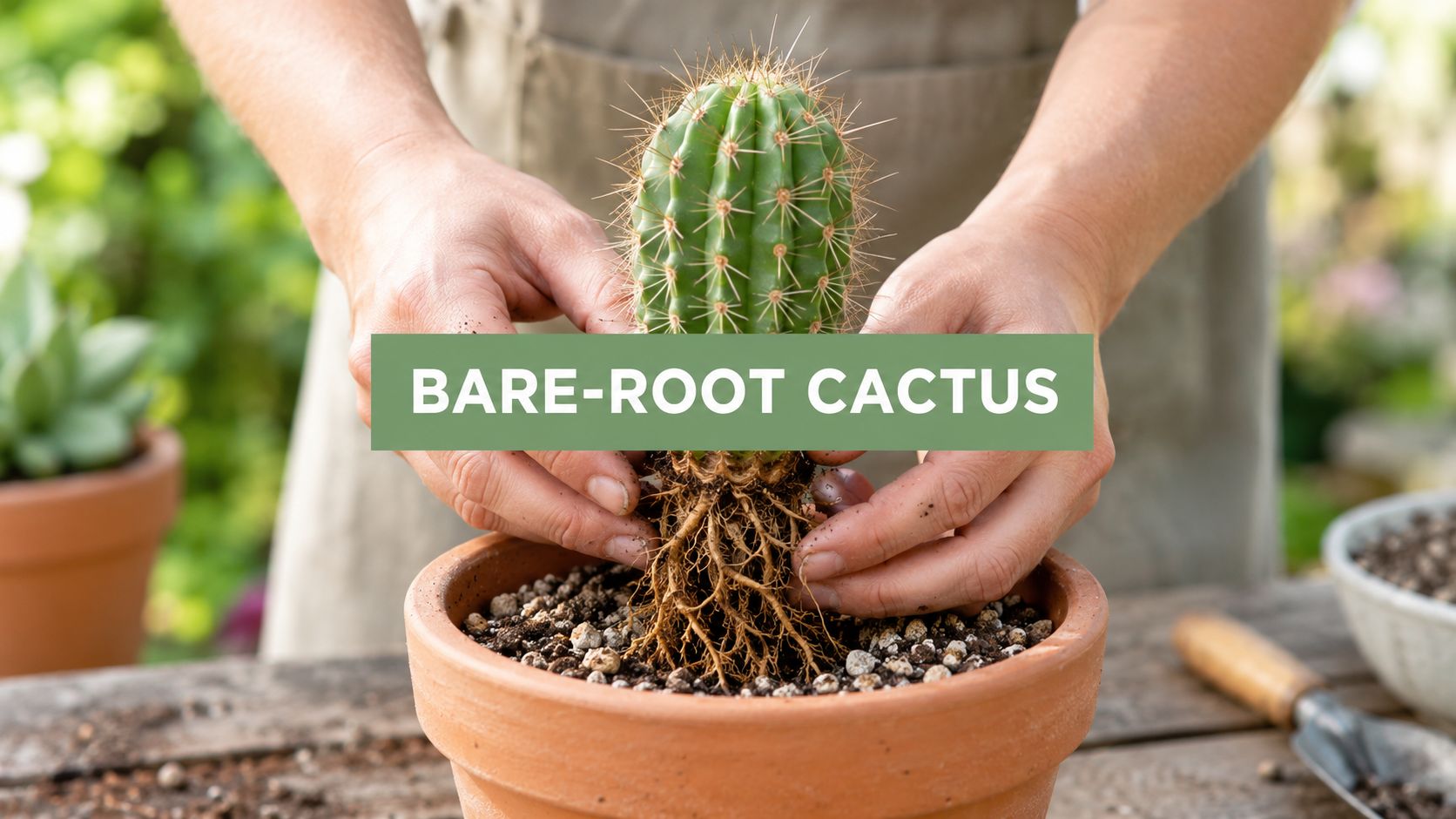
A good shipping process starts at plant selection. The plant should be healthy, firm, and dry enough for travel. For many cacti, shipping bare-root or with reduced loose soil is the practical choice because wet soil in a dark box creates problems quickly.
The next step is containment. Spines need a buffer so they don’t catch on the packaging and snap, and the cactus needs support so it can’t roll or hammer against the box walls. That’s especially important with rounder barrel forms.
What you should expect on arrival
When your package arrives, expect the cactus to look slightly travel-worn, not distressed. Minor cosmetic dust, a bit of settling, or some flattened wrapping material is normal. Mushiness, foul odor, or a clearly broken plant body are not.
Open the package with gloves and move slowly. Don’t grab the plant by the crown. Support it from the lower body using folded paper, tongs made for cactus handling, or another protective barrier.
A sensible shipping and service standard should also tell you what happens if transit doesn’t go as planned. The policies matter as much as the packing. You can review that directly on shipping and returns information.
The first hour after unboxing
Do these steps in order:
- Inspect the body for firmness, color, and any obvious damage.
- Check the roots or soil line for excess moisture.
- Set the cactus in a dry, bright area out of harsh immediate afternoon stress while it acclimates.
- Wait before watering if it arrived bare-root or recently packed.
Don’t rush to “help” a shipped cactus with water. Most problems after delivery come from overcorrecting, not neglect.
That patience matters. A cactus can handle a shipping pause better than it can handle being planted into dense soil and watered too soon.
Planting and Long-Term Care for a Thriving Cactus
A fire barrel cactus usually settles in well if the first planting is handled with restraint. The problems I see after delivery rarely come from shipping itself. They come from wet soil, a pot that holds water too long, or placing the plant in weak light after it arrives.

The plant wants three things from day one: strong light, fast drainage, and patient watering. Get those right, and long-term care stays fairly simple. Get one wrong, especially drainage, and the cactus spends months trying to recover.
What to do right after unboxing
If your cactus arrived bare-root, give it time before planting. A dry rest period helps any small root breaks callus, which lowers the chance of rot once it goes into soil.
Check these points before you plant:
- Body firmness: The cactus should feel solid and evenly filled out.
- Root condition: Dry roots are normal after transit. Damp, sour-smelling roots are not.
- Skin and spine condition: Minor scuffs can happen in transit. Collapsing tissue is a different issue and needs attention before planting.
Use thick gloves or folded paper for handling. Fire barrel spines catch skin fast, and rushed handling usually ends with a dropped plant or a hand full of glochids and spines.
Container planting that works
Container growing gives you the most control, which is why many online buyers start there. It is often the better choice for patios, rentals, and regions with wet winters.
Choose a pot with a drainage hole and keep the fit close. An oversized pot holds extra soil, and extra soil holds extra moisture. That slows drying time around a root system that already prefers short wet periods and long dry ones.
Use a gritty cactus mix with a high mineral content. Pumice, perlite, coarse sand, and small gravel all help keep oxygen around the roots. Organic material has a place, but too much peat or compost turns the pot into a moisture reserve.
Plant with the base slightly above the final soil line rather than buried deep. Then wait to water if the roots were disturbed during shipping or repotting.
A clay pot dries faster than glazed ceramic or plastic. That trade-off matters. Clay gives beginners more room for error with watering, while glazed pots hold moisture longer and need a stricter watering schedule.
If you are unsure whether the mix is dry enough, wait another few days. Dry soil is easier to correct than rot.
In-ground planting for desert landscapes
In-ground planting works well in hot, dry climates if the site drains quickly. It works poorly in low spots, near lawn spray, or in beds that stay damp after rain.
Pick a location with direct sun and open airflow. Fire barrel cactus keeps a tighter shape with strong exposure. In too much shade, it can lose its compact form over time, and that change is slow to reverse.
For planting in the ground:
- Mound the planting area slightly if native soil is heavy or slow to drain.
- Use mineral material around the root zone so water moves away from the base.
- Keep the crown above grade to avoid trapped moisture at the soil line.
- Skip wood mulch at the base because it holds moisture where the plant should stay dry.
- Check nearby irrigation patterns before planting. Shrub emitters and lawn overspray cause more failures than heat does.
This video gives a useful visual reference for cactus handling and setup during the planting process.
Watering and light over the long haul
Long-term success comes down to discipline. New owners often want to water on a schedule or move the cactus into softer light to protect it. That instinct causes more trouble than neglect.
During active growth, water thoroughly and let the mix dry fully before watering again. In winter, keep the plant much drier, especially if nights are cool. Indoor growers need to be even more careful because pots dry slower inside, and light is usually weaker than people expect.
Sun exposure also needs judgment. A cactus grown in strong outdoor light can usually stay there. A plant that spent time in shade, a greenhouse, or a box during shipping should be introduced to intense afternoon sun more gradually to avoid scorch.
At The Cactus Outlet, we tell buyers to judge care by the plant’s response, not by habit. Firm growth, stable color, and a dry root zone between waterings are the signs that matter. That approach gives a new fire barrel the best chance to settle in, root well, and stay attractive for years.
Troubleshooting Common Fire Barrel Cactus Problems
Most fire barrel cactus problems announce themselves early. The useful skill is reading the plant before the issue gets advanced.
Soft base and yellowing
Symptom: The lower body starts feeling mushy, and the color turns dull or yellowish.
Cause: Excess moisture around the roots is the most likely culprit. That usually comes from dense soil, a pot without proper drainage, or watering too soon after planting.
Solution: Unpot the cactus if needed, inspect the roots, remove wet soil, and let the plant dry before replanting in a much grittier mix. After that, water less often.
Stretching and thinning
Symptom: The plant loses its compact look and seems to grow upward in a weak, elongated way.
Cause: Insufficient light. This is common when a cactus is placed indoors away from direct exposure or outdoors in a spot that never gets enough sun.
Solution: Move it gradually into brighter conditions. Don’t shock a shaded plant with immediate all-day extreme exposure, but don’t leave it in dim light either. New growth will tell you if the correction worked.
A stretched cactus rarely “shrinks back” into old shape. The goal is to improve future growth, not erase past growth.
White cottony spots
Symptom: You see small white clusters tucked into ribs or around the base.
Cause: Mealybugs or a similar pest issue. They tend to hide where airflow is poor and inspection is infrequent.
Solution: Isolate the plant from nearby specimens, clean affected areas carefully, and monitor repeatedly instead of treating once and forgetting it. One pass is often not enough.
Scarred skin and broken spines
Symptom: The body has scratches or some spines snap during handling.
Cause: Usually shipping friction, careless planting, or grabbing the plant with bare hands and then dropping pressure points.
Solution: Cosmetic scarring is often just that, cosmetic. Focus on stable care and avoid repeated handling. The plant doesn’t need constant repositioning once set.
Frequently Asked Questions About Fire Barrel Cacti
Can I grow a fire barrel cactus indoors
Yes, but indoor success usually comes down to light quality and duration. A bright room is often not enough. These plants hold their shape best where they get strong direct sun for much of the day, or supplemental grow lighting if your space falls short.
Watch the plant instead of trusting the room description. If new growth starts to lean, pale out, or lose its dense barrel form, the cactus needs more light than the spot is giving it.
How long will it take to look impressive
The answer starts with the size you order. Small fire barrel cacti are a good fit for buyers who want to grow the plant into its final look over time and keep the upfront cost lower. Larger specimens give you presence on day one, but you are paying for years of nursery space, water management, and slow growth.
That trade-off matters online. If you want a strong patio or entry display right after delivery, buy size first. If you enjoy the growing process, a smaller plant makes sense.
Are fire barrel cacti safe around pets and children
They are better treated as a placement-sensitive plant than a casual houseplant. The main issue is the spine structure, which can hook skin, paws, and clothing much more easily than new buyers expect.
Some people also get mild skin irritation after handling cactus tissue or sap. Use gloves, keep the plant out of traffic paths, and avoid placing it where a child or pet can brush against it while turning a corner.
Why does my cactus look different from the listing photo
Listing photos show the species, size class, and overall form you should expect. They do not show a cloned, identical plant. Spine color, rib definition, and body shape can shift with age, season, sun exposure, and recent watering history.
A cactus that just came out of the box can also look slightly compressed or dusty from transit. Give it a little time to settle before judging appearance. Firm tissue, sound roots, and correct identification matter more than a perfect photo match on day one.
Should I repot immediately after delivery
Only if the condition of the plant or packaging calls for it. If your fire barrel cactus arrives bare-root, recently boxed, or slightly stressed from shipping, a short rest period in a dry, shaded area is often the better call before planting. If it arrives in broken packaging or wet soil that should not stay around the roots, deal with that right away.
This is one of the most common questions we get at The Cactus Outlet, and the right answer depends on what arrived at your door, not a fixed rule.
If you’re ready to buy with a clearer sense of variety, size, shipping, and care, browse current selections at The Cactus Outlet. A well-chosen fire barrel cactus can work as a long-term container specimen, a gift with real presence, or a serious garden focal point when you match the plant to the space from the start.