
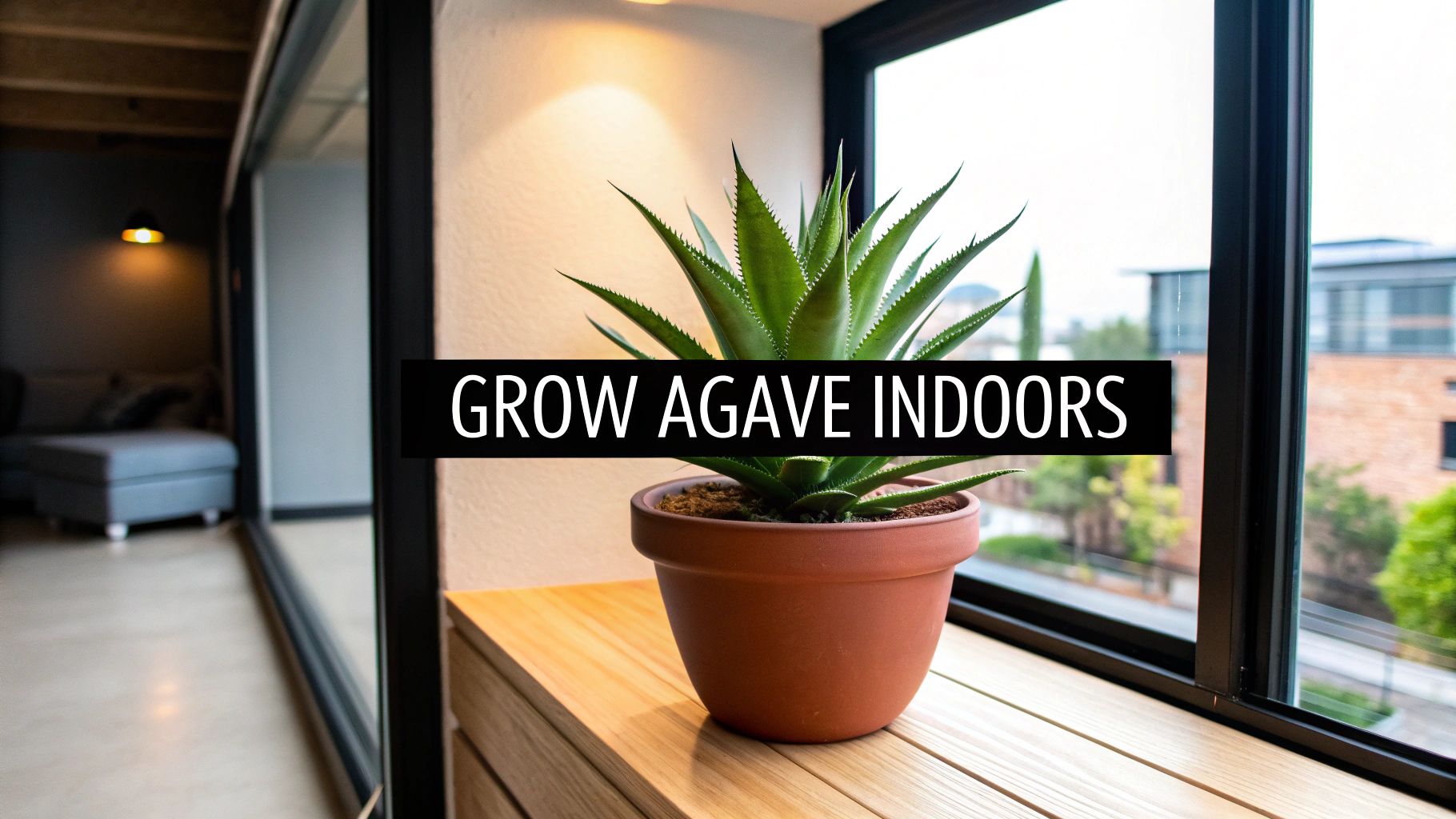

Bringing an agave indoors is one of the easiest ways to add a bold, sculptural element to your home. These desert natives are tougher than they look and are perfectly suited for the very conditions found in many houses: lots of bright light and not a lot of water. If you think they only belong baking in a desert landscape, think again. With just a little know-how, an agave can become a stunning, low-maintenance centerpiece in any room.
Bringing The Desert Home: An Introduction To Indoor Agave
For a long time, agaves were mostly seen in outdoor rock gardens or sprawling across arid plains. Now, they’re finally getting the recognition they deserve as fantastic indoor plants. Their sharp silhouettes and architectural forms are a natural fit for all kinds of styles, from modern and minimalist to bohemian. I learned this myself when a small Queen Victoria Agave completely transformed a boring, sunny corner of my living room into a real focal point. It asked for almost nothing but gave back so much personality.
Beyond their dramatic appearance, these plants are the definition of self-sufficient. They store water in their thick, fleshy leaves, which makes them incredibly forgiving if you forget to water them now and then. This resilience makes growing agave indoors a perfect starting point for new plant owners, but it's also a rewarding choice for experienced gardeners looking for a high-impact, low-effort plant.
The Rising Popularity of Indoor Agaves
The buzz around growing agave indoors isn't just about how they look; it's also tied to a bigger trend. As products like agave nectar have exploded in popularity, so has a general fascination with the plant itself. The global market for agave nectar hit an impressive USD 174.0 million in 2023, with North America being the biggest consumer. This commercial interest has had a great side effect for hobbyists: unique and interesting agave species are now easier to find than ever.
This newfound accessibility means you can find an agave that’s just right for your space. With more than 200 species out there, the variety in size, shape, and color is incredible. To get a better sense of the options, you can explore the wonderful world of agaves in our detailed guide.
Key Takeaway: The very traits that make agave a powerhouse agricultural crop—its ability to withstand drought and grow slowly—are exactly what make it such an exceptional and forgiving houseplant for our modern homes.
To get you started on the right foot, let's quickly cover the essentials. This table breaks down the basic care your indoor agave needs to thrive, giving you a snapshot of what we'll dive into throughout this guide.
Indoor Agave Care At A Glance
| Care Aspect | Requirement | Quick Tip |
|---|---|---|
| Light | 6+ hours of bright, indirect sunlight | A south-facing window is perfect. If you don't have one, a grow light works great. |
| Water | Infrequent; let the soil dry out completely | Give it a good soak once every 3-4 weeks, and even less during the winter. |
| Soil | Fast-draining cactus/succulent mix | Mix in some extra pumice or coarse sand to help with drainage and stop root rot. |
| Pot | Any container with drainage holes | Terracotta pots are a fantastic choice because they help pull excess moisture from the soil. |
Think of these as the foundational pillars of agave care. Get these right, and you're well on your way to success.
Choosing The Right Agave For Your Indoor Space
The first, and most important, decision you'll make is picking the right plant. With over 200 agave species out there, it’s easy to get overwhelmed. But let’s be clear: the massive Century Plant (Agave americana) you see dominating outdoor landscapes is not going to be happy on your windowsill.
The real secret is matching the plant to your home. You need to think about size, how much light you get, and even safety. A small, slow-growing agave will be a much better long-term companion than a fast-growing giant that you'll be struggling to rehome in a year.
Top Agave Species For Indoor Growers
To make things easier, here are a few tried-and-true winners that I’ve seen do exceptionally well indoors. They’re picked for their manageable size, incredible looks, and ability to handle life inside.
- Queen Victoria Agave (Agave victoriae-reginae): Honestly, this might be the perfect indoor agave. It forms a stunningly tight rosette of dark green leaves marked with crisp white lines. It grows incredibly slowly and rarely gets bigger than a foot across, making it ideal for a bright windowsill or desk.
- Thread Leaf Agave (Agave filifera): This one is all about texture. It gets its name from the fine, white threads that peel away from the edges of its leaves. It stays pretty compact and will eventually form attractive clumps, giving you a full, lush look in its pot.
- Whale's Tongue Agave (Agave ovatifolia): If you've got a bit more room and a spot that gets blasted with sun, this is a showstopper. Its broad, cupped, powder-blue leaves form a shape that looks a lot like an artichoke. While it can get big outdoors, its growth slows way down inside, keeping it a reasonable size for years.
These plants aren't just beautiful; they have an incredible history. People have been cultivating agaves for centuries, and their adaptability is what makes them great houseplants today. They’re perfectly happy in typical home temperatures (65°F-80°F) as long as they get at least six hours of bright light, which a simple grow light can provide if you need it. If you want to dive deeper into their agricultural history, this detailed government report on agave cultivation is a fascinating read.
What To Look For When Buying An Agave
A few seconds of inspection at the nursery (or as soon as you unbox an online order) can save you a world of trouble later.
- Give it a gentle squeeze. A lower leaf should feel firm and plump, never soft or squishy. A mushy base is the classic sign of root rot, and that’s a tough battle to win.
- Play detective. Look deep into the center of the rosette and under the leaves. You’re searching for tiny, cotton-like fluff (mealybugs) or fine webbing (spider mites). Always start with a pest-free plant.
- Check the roots if you can. If it’s in a flimsy plastic pot, you can often slide the plant out for a quick peek. Healthy roots are white or light-colored. Run away from anything with dark, mushy, or completely dried-out roots.
Pro Tip: Don't just grab the biggest plant on the shelf. A smaller, healthier, more compact agave will almost always adapt better to your home and grow more beautifully than a larger, potentially stressed-out specimen.
Ultimately, your success starts with knowing your space—especially your light. This little flowchart can help you figure out if you've got the right spot.
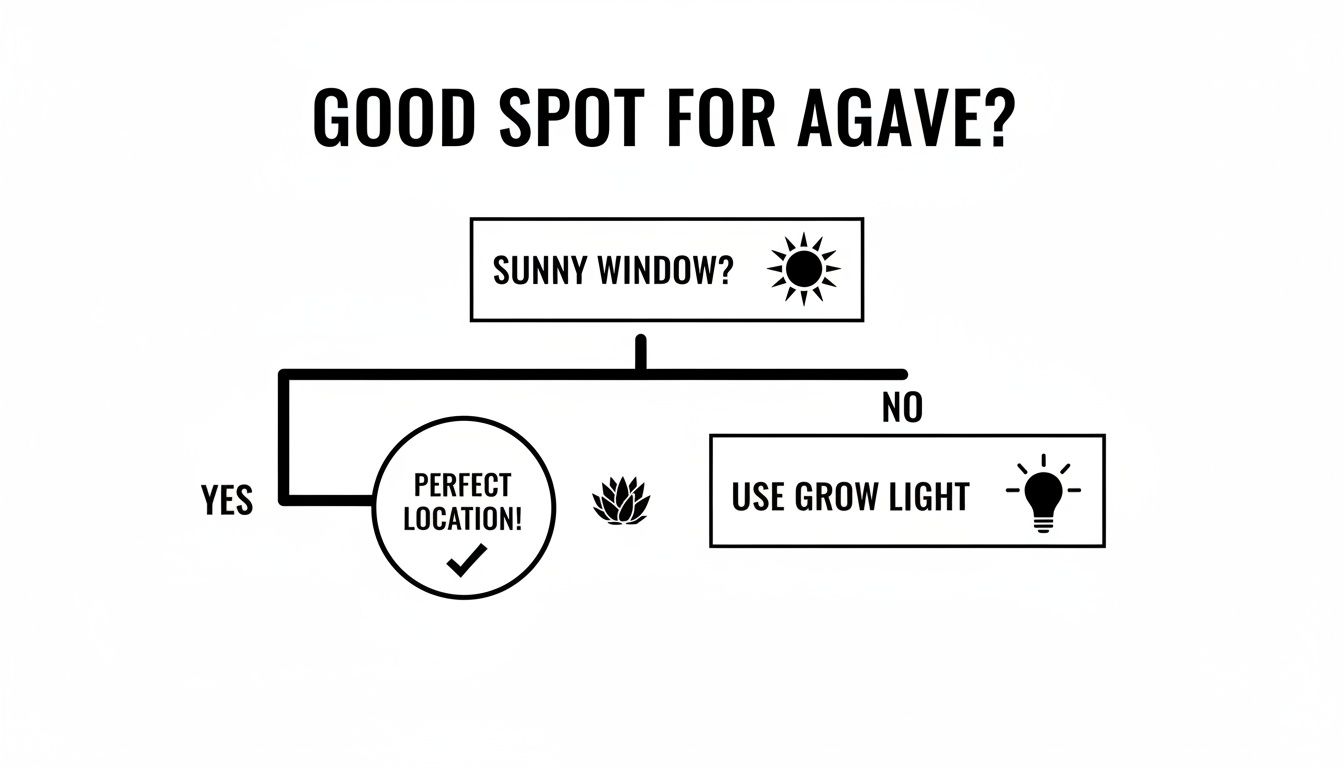
As you can see, it all comes down to light. Whether it’s from a window or a bulb, giving your agave the bright light it craves is the foundation for everything else.
Creating The Perfect Indoor Desert Environment
To get an agave to thrive inside your home, you have to think like an architect and build its environment from the ground up. These plants aren't asking for much—just a convincing imitation of their native desert habitat. This really boils down to three key things: the intense sun, gritty soil, and infrequent, deep rains they've adapted to over millennia. Nail these, and your agave won't just survive; it will truly flourish.
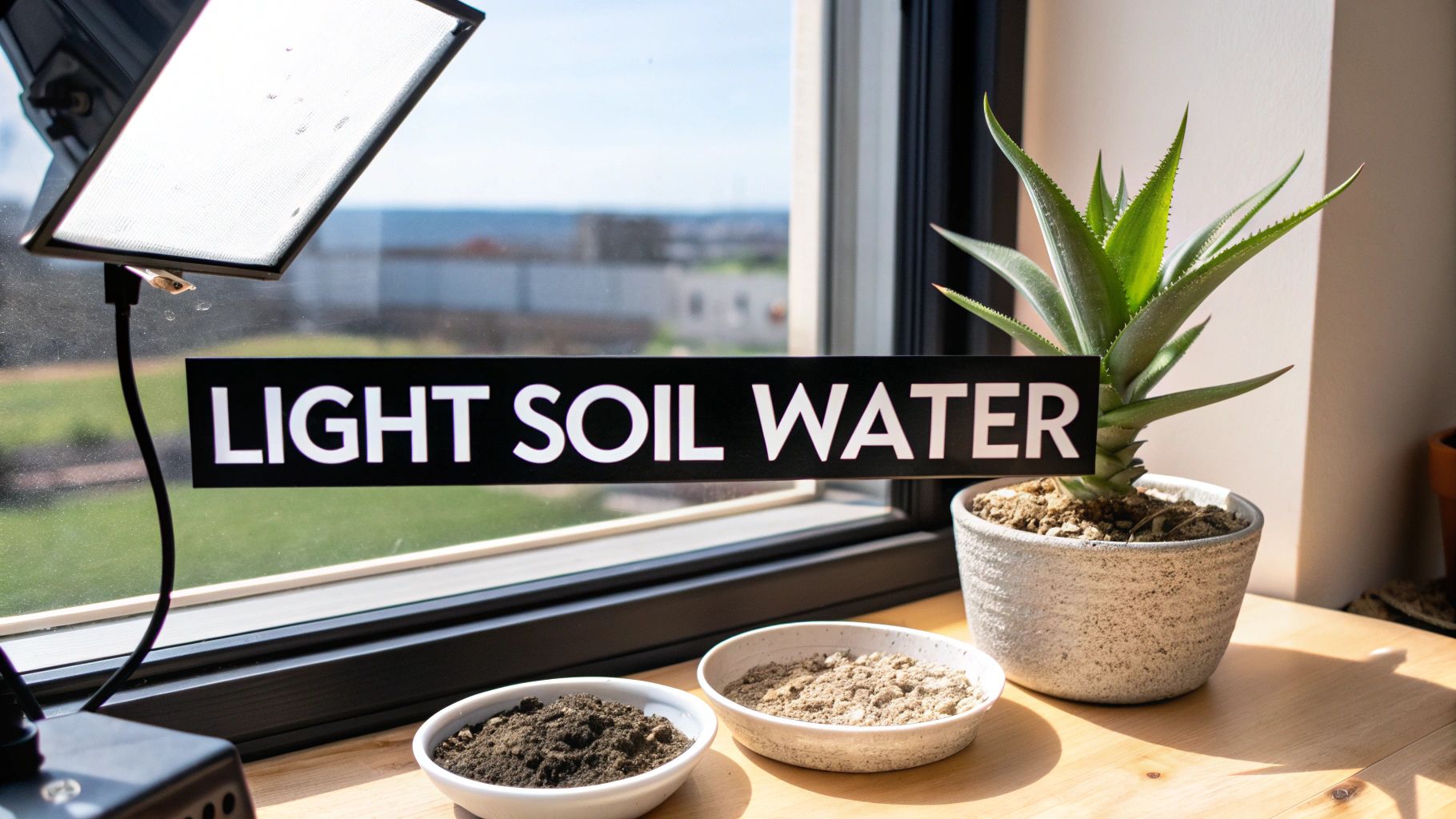
The single most critical ingredient for a happy indoor agave is light—and lots of it. These are full-sun plants that crave the kind of bright, direct light they'd get in the desert. In a typical house, the absolute best spot is right in front of an unobstructed, south-facing window. You're aiming for at least six hours of direct sun hitting the leaves each day.
A west-facing window is a solid runner-up, offering that strong afternoon sun. If you notice your agave looking pale or its leaves getting long and stretched out, that's a cry for help. This stretching, known as etiolation, is the plant’s desperate attempt to reach for a better light source.
Mastering The Light Equation
But what if your home just doesn't have a sun-drenched window? Don't worry, you can still absolutely grow a beautiful agave. High-quality full-spectrum LED grow lights are a fantastic substitute and can work even better by providing consistent light.
When you're picking a grow light, find one that provides strong, direct light. You'll want to position it directly above the plant, about 6-12 inches from the top leaves. Keep it on for 12-14 hours per day to mimic a long, sun-filled summer day. This consistent, powerful light encourages the tight, compact growth that makes these plants so stunning.
Agaves are sensitive to their environment, and maintaining consistent conditions is key. Indoors, factors like temperature can fluctuate. To precisely manage the temperature fluctuations common in indoor desert environments, integrating a smart thermostat can be highly beneficial, helping to create a stable climate that mimics their natural habitat year-round.
Building The Ideal Soil Foundation
Right after light, the soil is the next make-or-break element. Standard potting mix is basically a death sentence for an agave. It holds onto way too much water and will almost certainly lead to root rot. You need a mix that drains almost instantly, letting water rush through while giving the roots just enough to hold onto.
You can buy pre-made cactus and succulent mixes, but I've always had the best results with my own DIY blend. It gives you total control over the drainage and aeration your agave needs to stay healthy.
My go-to recipe is incredibly simple:
- One part standard cactus/succulent mix as the organic base.
- One part pumice or perlite to create air pockets and stop the soil from compacting.
- One part coarse sand or small gravel to guarantee that water drains away quickly.
Mix these three parts together until they're completely combined. The final blend should feel gritty and loose in your hands, not dense or spongy. This is the kind of foundation that will keep your agave’s roots healthy and dry, just how they like it.
The Art Of Watering Your Agave
The final piece of the puzzle is water, and this is where most people new to agaves go wrong. The most common mistake, by far, is overwatering. Always remember: these plants are built to handle drought, not to sit around with wet feet.
The golden rule is the "soak and dry" method. Water the plant thoroughly until you see water running freely from the pot's drainage hole. Then, and this is the important part, don't even think about watering it again until the soil is completely bone dry all the way through. For most indoor spots, this works out to a deep watering every 3-4 weeks during the spring and summer growing season.
When fall and winter roll around, the plant goes dormant and you need to scale back even more. You might only need to water it once every 6-8 weeks. Your agave will give you subtle hints when it's thirsty—the leaves might look a little less plump or even a bit wrinkly.
Here's a foolproof trick to check if it's time: stick a wooden skewer or a chopstick deep into the soil.
- If it comes out clean and dry, it's time to water.
- If it comes out with any damp soil clinging to it, wait longer.
This simple test takes all the guesswork out of it. By mastering light, soil, and the rhythm of desert rain, you're creating a perfect little ecosystem where your agave can thrive for years to come.
Potting, Repotting, And Long-Term Care
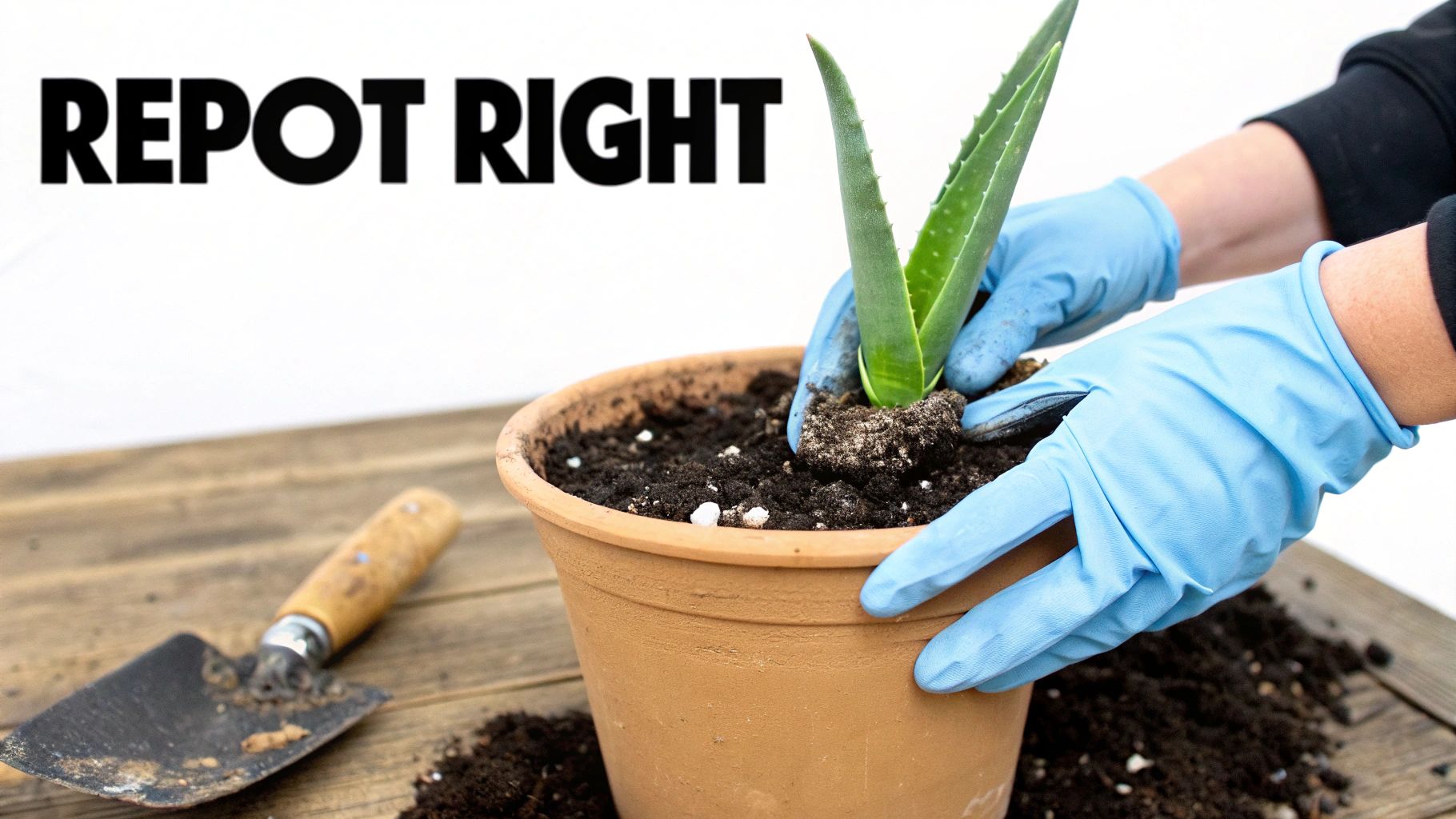
Giving your agave the right home is just as critical as getting the light and water right. The container you choose and your repotting strategy are the final pieces of the puzzle, creating a stable foundation that will support your plant for years to come.
The first big decision is the pot itself. Honestly, while any container with a drainage hole can work, the material makes a world of difference. Unglazed terracotta is a fantastic choice because it's porous, actively wicking excess moisture away from the soil and helping the roots breathe. Think of it as an extra layer of insurance against root rot, the number one killer of indoor agaves.
Glazed ceramic or plastic pots are fine alternatives, but they hold moisture much longer. If you go this route, you’ll need to be extra careful with your watering and ensure your soil is exceptionally fast-draining. For beginners, terracotta is definitely the most forgiving option.
When And How To Repot Your Agave
One of the best things about agaves is that they are slow growers. This is great news for maintenance, as they don’t need to be repotted very often—typically only once every 2-4 years or when they become seriously root-bound.
You’ll know it’s time when you see roots peeking out of the drainage hole or if the plant has stalled out and stopped growing entirely. The best time to tackle this is in the spring or early summer, right as the active growing season kicks off. This gives the plant plenty of time to recover and settle into its new home before its winter rest.
Repotting a spiky agave can feel a little intimidating, but a bit of prep makes it simple and safe.
- Protect Yourself: First things first, get some thick gardening gloves. Those spines are no joke. For larger plants, I've found that wrapping the whole plant in an old towel or a moving blanket is a great trick to bundle the leaves and keep them safely out of your way.
- Pick the Right Size Pot: Go for a new pot that is only 1-2 inches wider in diameter than the old one. It’s tempting to give it lots of room to grow, but a pot that's too large will hold too much moisture and invite root rot.
- Ease It Out: Gently tip the current pot on its side and carefully slide the agave out. If it’s a bit stuck, a few firm taps on the side of the pot usually do the trick to loosen it.
- Check the Roots: Now’s your chance to play plant doctor. Gently knock away the old soil and take a good look at the roots. Healthy ones are firm and white or light tan. Trim off anything that looks black, mushy, or completely dried out.
- Settle It In: Place a layer of fresh, gritty soil in the new pot. Center the agave, making sure the base of the plant sits at the same soil level it did before. Backfill around the sides with more soil, gently tamping it down to get rid of any sneaky air pockets.
After you've repotted, hold off on watering for about a week. This gives any roots that were nicked or bruised a chance to heal over, which dramatically reduces the risk of rot.
Long-Term Care And Feeding
Once your agave is happily potted, ongoing care is refreshingly simple. One of the biggest mistakes I see people make is over-fertilizing. These plants evolved in nutrient-poor soils and just don't need much.
A common misconception is that more fertilizer equals more growth. For agaves, this can lead to weak, stretched-out leaves that are more susceptible to pests. Less is definitely more.
Feed your agave with a balanced fertilizer made for cacti and succulents, and make sure to dilute it to half-strength. You only need to do this once or twice during the entire spring and summer growing season. Stay away from fertilizers high in nitrogen, as this encourages soft, weak growth. And never, ever fertilize in the fall or winter when the plant is dormant.
If you want to dive deeper into what makes the perfect growing medium, you can explore our guide on cactus and succulent soil mix.
Finally, a couple of simple housekeeping tasks will keep your agave looking sharp. Rotate the pot a quarter turn every time you water to ensure all sides get equal sunlight, which promotes symmetrical growth. If dust collects on the leaves, just wipe them down with a damp cloth. It’s not just for looks—clean leaves can photosynthesize more effectively.
Troubleshooting Common Indoor Agave Problems
Even with the best intentions, things can sometimes go sideways with your indoor agave. The good news? These plants are incredibly tough and usually give you clear signs when something is wrong. Learning to read those signs is the key to fixing small issues before they become big problems.
Most of the time, if your agave looks unhappy, the cause traces back to the fundamentals: water and light. A droopy, sad-looking plant is almost always telling you its environment isn't quite right.
Decoding Your Agave's Symptoms
The most common puzzle growers face is telling the difference between an overwatered and an underwatered agave. The symptoms can look surprisingly similar at first, but figuring it out quickly is crucial.
-
Yellowing Leaves and a Mushy Base: This is the classic, unmistakable sign of overwatering. If you see lower leaves turning yellow and feeling soft, or if the base of the whole plant feels wobbly, you've got root rot. This is a plant emergency.
-
Wrinkled or Crispy Leaves: On the flip side, if the leaves look shriveled, thin, or feel crispy at the tips, your agave is probably just thirsty. This is a much easier fix than overwatering.
-
Pale Color and Stretched Growth: Is your agave's vibrant color fading? Are the new leaves coming in long, skinny, and spaced far apart? This is called etiolation. Your plant is desperately stretching for more light and needs to be moved to a much sunnier spot or placed under a grow light.
Key Insight: Root rot is the number one killer of indoor agaves. It is always, always safer to underwater than to overwater. An agave can bounce back from being too dry, but recovering from rot is a tough battle.
Still not sure what you're seeing? This table breaks down the key differences to help you make the right call.
Overwatering vs Underwatering Symptoms
| Symptom | Likely Overwatering | Likely Underwatering |
|---|---|---|
| Leaf Texture | Leaves are soft, mushy, and may feel swollen. | Leaves are wrinkled, thin, and may feel limp. |
| Leaf Color | Lower leaves turn a sickly yellow or translucent. | Leaves may look dull, lose their vibrant color, or have brown, crispy tips. |
| Plant Base | The base of the rosette feels soft and may be black or brown. | The base of the plant is firm, but the soil is pulling away from the pot's edge. |
| Overall Look | The plant looks droopy and unwell, often accompanied by a musty soil smell. | The plant looks deflated and thirsty. |
If you've identified root rot, you need to act fast. The steps are very similar to saving other succulents, so for a full game plan, check out our guide on how to revive a dying cactus.
Common Pests on Indoor Agaves
Pests aren't a huge issue for indoor agaves, but they can occasionally show up, usually as hitchhikers on a new plant. The two you're most likely to see are mealybugs and spider mites.
- Mealybugs: These little pests look like tiny bits of white cotton. They love to hide deep in the rosette or on the undersides of leaves.
- Spider Mites: Much harder to see with the naked eye, these mites reveal themselves by the fine, spider-like webbing they leave between the leaves.
For a small infestation, your best bet is to dip a cotton swab in 70% isopropyl alcohol and dab it directly on the pests. For a bigger problem, a thorough spray with insecticidal soap or neem oil is a great, less harsh solution.
A Note On Agave Safety
Don't forget that many agaves have sharp terminal spines and serrated leaf edges. Think carefully about where you place your plant, especially if you have curious children or pets running around. A high plant stand or a sturdy shelf can keep it safely out of reach while still giving it the sun it craves.
It's fascinating how the same toughness that makes agave a great houseplant also makes it a valuable crop. What we do indoors often mirrors commercial farming, where challenges like field productivity are offset by high consumer demand. Agave-related markets are thriving, and with online channels making up 45% of sales in 2023, it's easier than ever for home growers to access unique species like the cold-hardy Agave utahensis.
Your Top Questions About Growing Agave Indoors
Even with the best guide, a few questions always seem to pop up once you get your new agave home. Let's tackle some of the most common things people ask, so you can feel completely confident as your plant settles in.
Think of this as the a-ha moment section, clearing up those lingering "what ifs." We'll cover everything from growth spurts (or lack thereof) to whether your agave needs a summer vacation on the patio.
How Fast Do Agaves Actually Grow Inside?
One of the best parts about keeping agave indoors is their incredibly slow and steady pace. This isn't a plant that's going to outgrow its spot in a few months. Their exact growth rate really depends on the specific variety and how much light you give them, but as a rule, they take their time.
For example, a small, tight species like the Queen Victoria Agave might only unfurl a few new leaves over the entire year. This slow-motion growth means you won't be constantly repotting. In fact, a happy agave can often live in the same container for 2-4 years without any fuss. Just sit back and enjoy its sculptural form.
Can I Move My Indoor Agave Outside for the Summer?
You absolutely can, and your agave will probably thank you for it with a little growth spurt and richer color! But—and this is a big but—you can't just plop it into the bright sun. Moving it from a cozy indoor spot to intense, direct outdoor light will scorch its leaves, leaving permanent burn marks.
The secret is to "harden it off" over a week or two.
- Start by placing it in a fully shaded spot outside for just a few hours a day. Think under a covered porch or a large tree.
- Slowly, over the next 1-2 weeks, inch it into spots that get a little more sun, like morning-only sun.
- Once it's used to the brighter conditions, it can handle more direct light. Just remember to bring it back inside long before the first frost is on the forecast!
Will My Indoor Agave Ever Bloom?
Probably not, and that's completely okay. It's best to go into this not expecting a flower show. Most agaves are monocarpic, which is a fancy way of saying they bloom only once in their entire life, and then they die. This dramatic, final act can take decades to happen in the wild.
An agave needs to store up a massive amount of energy to produce its massive flower stalk—something that's nearly impossible to achieve with indoor light levels. The real, lasting beauty of an agave is in its striking, architectural leaves, not a flower that signals the end.
The good news? Right before a mature agave flowers, it usually sends out a ton of offsets, or "pups," to carry on its lineage.
How Can I Get More Agave Plants from the One I Have?
Making more agaves is one of the most rewarding parts of growing them, and it’s surprisingly simple. The easiest way is to harvest the "pups" that pop up around the base of the mother plant. It's a fantastic way to expand your collection or share with fellow plant lovers.
Here’s how you do it: Wait until a pup is at least a few inches tall and feels sturdy. If you can, gently wiggle the soil away to see if it has its own roots starting. Use a clean, sharp knife to slice it away from the parent plant, getting as close to the main stem as you can.
Let the cut end of the pup sit out in the air for a few days to dry and form a callus. This prevents rot. Then, just stick it in a small pot with some gritty, fast-draining cactus mix. Water it lightly and then leave it alone until you see new growth—that’s your sign it has successfully rooted and a new plant is on its way.
At The Cactus Outlet, we're passionate about helping everyone succeed with these amazing plants. Dive into our hand-picked collection of agaves that are perfect for indoor living and find the ideal architectural plant for your space. Start your agave journey with us today!