

You bought a firestick plant for the color. Or maybe you inherited one with a new house, admired its coral-red branches, and set it near a sunny window without thinking much about it.
Then a stem snapped. White sap appeared. Now you’re searching firestick plant toxic because you want a straight answer, not vague warnings.
Here it is. Yes, the firestick plant is toxic. The risk comes from its milky latex sap, not from some abstract “poisonous plant” label. If you understand how that sap behaves, what symptoms to watch for, and exactly what to do after contact, you can make good decisions quickly and calmly.
The Allure and Dangers of the Firestick Plant
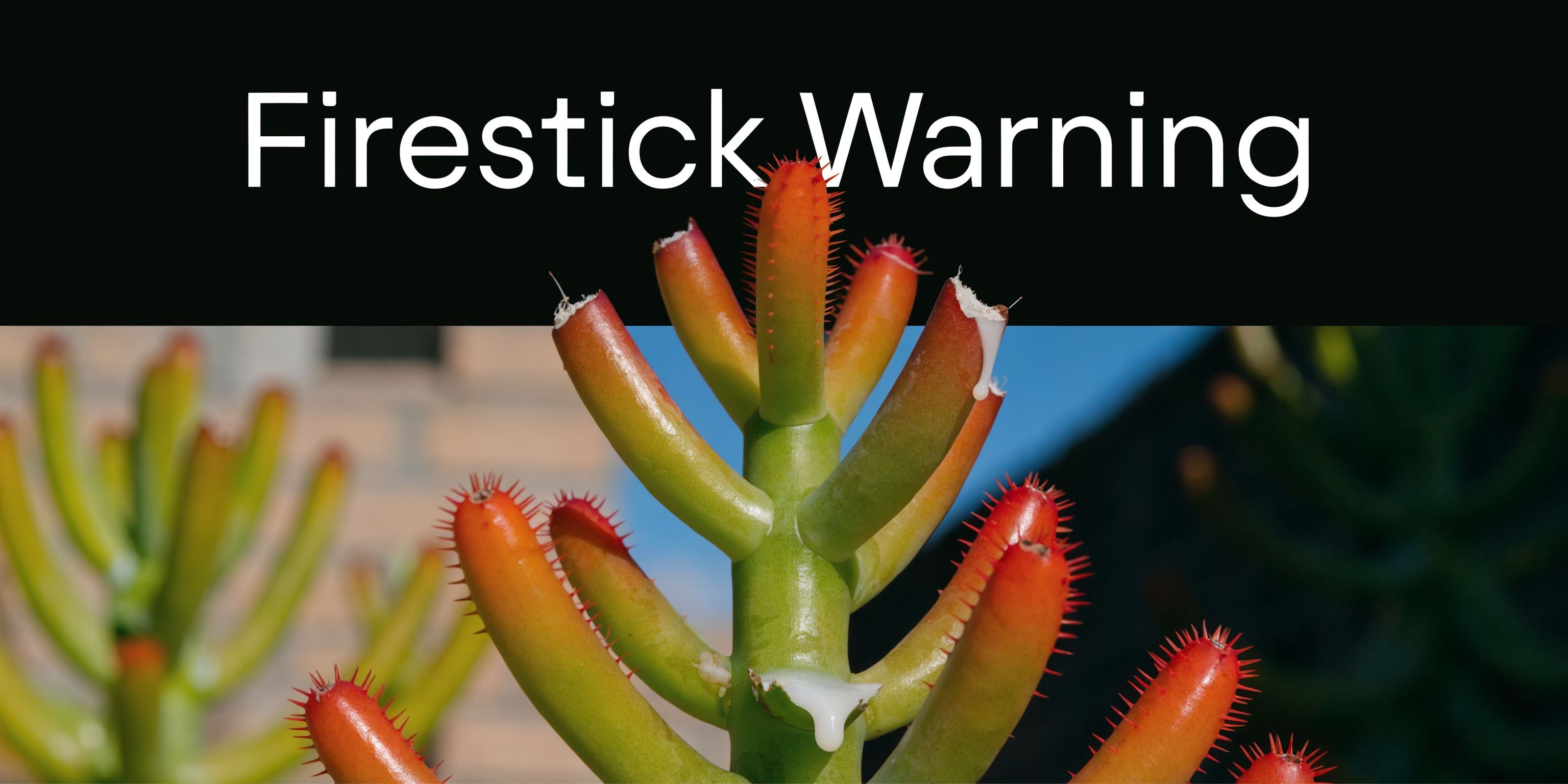
The firestick plant, Euphorbia tirucalli, is easy to love on sight. In bright light, its leafless branches glow in shades of red, orange, and yellow. It has a sculptural look that fits modern interiors, desert-style gardens, and drought-tolerant garden designs.
It also creates confusion because many people assume it’s a harmless cactus. It isn’t a true cactus. If you want a quick guide to that distinction, this overview of types of euphorbia cactus helps explain why euphorbias deserve different handling.

What makes it dangerous
The problem is the sap. Firestick plant stems release a milky latex when damaged. That latex contains diterpene esters, which are potent irritants that can trigger severe skin reactions and dangerous eye injuries. A background source used for gardeners also notes that after watering, pressure inside the stems can make sap project outward up to 1 to 2 meters when branches snap (carlsbadproperties.com).
That detail matters. People often expect sap to ooze downward. Firestick can behave differently.
A simple way to think about it
Think of the sap like a sticky chemical irritant mixed with oil from a hot pepper. It clings. It spreads from fingers to tools, from gloves to doorknobs, from sleeves to skin. Washing late is much less helpful than washing immediately.
That’s why casual contact turns into bigger exposure than people expect. You prune one branch, brush your cheek, then adjust your glasses. The injury can move from a minor skin problem to an urgent eye problem in seconds.
Practical rule: Never treat broken firestick stems as “just plant juice.” Treat them like an active skin and eye hazard.
Why gardeners get caught off guard
Three things make this plant deceptively risky:
- It looks dry and harmless. The stems seem clean until they break.
- It’s sold as an ornamental. That makes people assume routine handling is safe.
- It rewards touch. People reposition it, prune it, repot it, and share cuttings.
None of that means you must panic or throw the plant away. It means this is a plant that deserves a protocol. Gloves, eye protection, careful placement, and immediate cleanup are not overreactions. They’re normal care for a species with irritating latex.
Identifying Symptoms of Firestick Plant Exposure
If contact happens, the first question is usually, “Is this serious, or will it pass?” The answer depends on where the sap landed and who was exposed.
For humans, the biggest difference is skin versus eyes. For pets, the most common concern is chewing or licking stems, though sap on fur or skin can also cause problems.

Symptoms in humans
Skin contact
Firestick sap can cause severe irritation, not just mild itchiness. People commonly notice burning, redness, inflammation, and tenderness. Some reactions progress to blistering or a more dramatic dermatitis-type rash.
One reason it feels so persistent is that the sap sticks to skin, clothing, and gloves. If you don’t remove it promptly, you can keep re-exposing yourself without realizing it.
Watch for these signs after skin contact:
- Burning sensation that starts quickly
- Redness and swelling around the contact area
- Ongoing irritation even after a quick rinse
- Blistering or raw-feeling skin in stronger exposures
Eye contact
This is the exposure that should never be minimized. The verified data for this article includes documented cases of temporary blindness and ocular damage from firestick sap. In one reported case, a 67-year-old man developed sudden eye irritation, redness, and blurred vision after sap dripped into his eye and needed urgent treatment.
Eye exposure may cause:
- Immediate pain
- Marked redness
- Blurred vision
- Light sensitivity
- Swelling and inflammation inside the eye
Eye exposure to firestick sap is an urgent situation, not a wait-and-see situation.
Symptoms in pets
The ASPCA classifies pencil cactus, another common name for firestick plant, as toxic to dogs, cats, and horses. A gardener-focused warning source also notes mouth and stomach irritation, drooling, vomiting, skin blisters, and severe eye problems in animals, with Australian veterinary reports describing frequent incidents from chewing (leafyheaven.com).
If a pet chews or ingests it
You may see:
- Drooling
- Pawing at the mouth
- Vomiting
- Mouth irritation
- Stomach upset
Some pets act restless. Others become withdrawn because their mouth hurts.
If sap gets on the face, skin, or eyes
You might notice:
- Squinting
- Rubbing the face
- Red skin
- Blistered or irritated areas
- Distress after brushing against a broken stem
When symptoms are easy to miss
Some exposures don’t look dramatic at first. A person may think they only got “a little” on their fingers. A dog may only lick once. Then the irritation builds.
Use context to guide you. If a stem snapped and sap was visible, assume exposure is possible even before symptoms fully appear. Early action is safer than waiting for proof.
| Exposure type | What you may notice first | Why it matters |
|---|---|---|
| Skin | Burning, redness, rash | Sap can linger and keep irritating tissue |
| Eye | Pain, tearing, blurred vision | Eye injury can escalate quickly |
| Pet ingestion | Drooling, mouth irritation, vomiting | Oral and stomach irritation can be significant |
| Pet skin or eye contact | Face rubbing, redness, squinting | Pets often spread sap by rubbing |
Emergency First Aid for Accidental Sap Contact
Many articles stop short at this point. They warn you, then leave you with “seek help if needed.” That isn’t enough.
A San Diego Master Gardener discussion of firestick injuries points out a real gap: many online sources mention pain lasting 3 to 4 days and possible permanent eye damage, yet they don’t give clear first-aid steps. That same source notes rising concern because home gardeners keep getting exposed through improper handling (mastergardenersd.org).

If sap gets on your skin
Act fast, but don’t scrub aggressively.
- Stop handling the plant immediately. Put down tools and move away from the work area.
- Remove contaminated gloves or clothing carefully. Don’t pull a sap-covered sleeve across your face.
- Rinse the area with cool running water. Let water flow over the skin rather than splashing it around.
- Wash with soap. Use plenty of soap and repeat the rinse.
- Avoid touching other body parts. Especially your eyes, mouth, phone, and door handles.
- Monitor the reaction. If burning, swelling, or blistering worsens, contact a medical professional.
Don’t use very hot water. It can make irritated skin feel worse. Don’t test creams or home remedies immediately on freshly exposed skin unless a clinician has advised them.
If sap gets in your eye
Treat this as urgent.
- Start flushing the eye immediately.
- Use clean running water or sterile eyewash if available.
- Keep flushing continuously.
- Remove contact lenses if they come out easily during rinsing.
- Get medical attention right away.
The verified data includes emergency guidance that ocular exposure may require 20+ minutes of irrigation. Don’t stop early because symptoms seem to improve. Keep rinsing while arranging care if possible.
If you’re deciding whether to rinse first or search online first, rinse first.
If a pet is exposed
Use a calm, practical approach:
- Move the pet away from the plant
- Check the mouth, face, and paws
- Prevent more licking or chewing
- If sap is on fur or skin, rinse the affected area carefully
- Contact your veterinarian or pet poison support promptly if symptoms appear
If a pet is squinting, pawing at the eye, or suddenly distressed after contact, treat that as urgent.
What not to do
- Don’t wait for severe symptoms before washing
- Don’t rub the eye
- Don’t assume a tiny exposure is harmless
- Don’t keep gardening with contaminated hands
Quick decontamination is the part you control. It won’t replace medical care when needed, but it can reduce how much sap stays in contact with skin or eyes.
Mastering Safe Handling and Pruning Protocols
Most firestick injuries happen during ordinary plant chores. Pruning, taking cuttings, repotting, and moving a crowded pot are the big ones.
The safest approach is to handle firestick like a plant technician would. That means gear first, then a controlled process, then cleanup.

Build your protective setup
At minimum, use:
- Gloves that resist cuts and sap contact. If you’re choosing hand protection for pruning tools, this guide to cut-resistant gloves is useful for understanding materials and coverage.
- Protective eyewear. Goggles are better than basic glasses.
- Long sleeves and long pants
- Closed-toe shoes
- Sharp pruners or secateurs that make clean cuts
If you’ve ever wondered why euphorbia handling feels different from cactus care, this comparison of cacti vs euphorbia similar but different explains the practical difference well.
How to prune with less risk
The most important timing rule is simple. Don’t prune right after watering. Verified nursery benchmarks cited in a firestick warning article state that after irrigation, sap spray velocity from a broken stem can exceed 5 m/s, and that cuttings should be air-dried for 7 to 14 days, reducing irritancy by 60% and supporting 95% rooting success (chefmarian.com).
Use that information as a working routine:
- Let the plant sit dry rather than freshly watered.
- Wear eye protection before making the first cut.
- Stand slightly to the side, not directly in front of the branch.
- Make deliberate cuts instead of twisting stems by hand.
- Keep children, pets, and bystanders away from the area.
Field habit: Assume every fresh cut can spray.
Propagating safely
If you’re taking cuttings, don’t rush them into soil.
A safer propagation flow looks like this:
- Cut cleanly
- Set the cutting aside in a secure, ventilated area
- Let the end dry and callus for 7 to 14 days
- Keep the cutting where pets and children can’t investigate it
- Wash up and clean your surfaces before moving on
That waiting period is good horticulture and good safety practice.
Repotting and cleanup
Repotting can break hidden stems near the base. Handle the plant by the pot when possible, not by the branches.
After any work session:
- Wipe down tools carefully
- Bag fallen pieces
- Wash gloves or discard single-use ones
- Launder sap-contaminated clothing separately if needed
- Rinse your hands again even if you wore gloves
The goal isn’t just avoiding the first splash. It’s preventing the second exposure from a contaminated tool, sleeve, or countertop.
Creating a Safe Environment for Children and Pets
Some homes can manage a firestick plant safely. Some really can’t.
If you live with toddlers, a chew-prone puppy, a cat that launches onto windowsills, or a household where guests casually brush past plants, placement matters as much as pruning technique.
The ASPCA notes that pencil cactus toxicity may be considered “over-rated” for pets compared with severe human reactions, but it still causes significant oral and stomach irritation. The same source also highlights an important gap: there isn’t enough data on variables like pet size or breed sensitivity, which is one reason prevention matters so much (aspca.org).
Smarter placement choices
A good location is one that removes temptation and accidental contact.
Consider these setups:
- High, stable placement indoors where trailing cords, curtains, or play activity won’t knock the pot over
- Dedicated plant rooms that pets and young children don’t enter
- Back-of-border garden placement well away from paths, patios, and play zones
- No use near pet runs, doors, or mail routes where stems may snag or break
Why “my pet never eats plants” isn’t enough
Pets don’t need to eat much to have a bad experience. Some lick sap from a broken piece. Some rub against a damaged branch. Cats may investigate fallen cuttings. Dogs may chew once and stop, but that can still be enough to cause distress.
This is similar to other household plant and food hazards. People often underestimate them because exposure seems unlikely until it happens. If you’re building a safer home for pets, it helps to understand unrelated but common risks too, such as onion toxicity, because prevention works best when you think in systems rather than one-off dangers.
Teach, separate, label
Older children can learn a simple rule: look, don’t touch.
For shared households, label the plant clearly. If someone else waters, prunes, or moves it, they should know what it is before they grab it bare-handed.
Beautiful and Safe Succulent Alternatives
Some readers will decide that firestick’s color is worth the extra precautions. Others will decide they’d rather skip the risk entirely. That’s a reasonable choice.
The good news is you can still get strong texture, sculptural form, and indoor-friendly style from succulents that don’t come with the same latex hazard. If you’re exploring options for your home, this roundup of best succulents for indoors is a good place to compare shapes and care needs.
What to look for instead
If you like firestick for its visual impact, focus on replacements that offer one or more of these traits:
- Architectural shape
- Interesting leaf texture
- Compact indoor growth
- Simple watering needs
Three commonly chosen alternatives are Haworthia, Echeveria, and Burro’s Tail (Sedum morganianum). They don’t mimic firestick exactly, but they scratch a similar design itch.
Plant safety comparison
| Plant Name | Toxicity Level | Primary Appeal | Care Level |
|---|---|---|---|
| Firestick plant | Toxic to humans and pets | Fiery stem color, branching form, drought-tolerant look | Moderate, with added safety precautions |
| Haworthia | Non-toxic alternative | Crisp rosettes, striped textures, compact size | Easy |
| Echeveria | Non-toxic alternative | Symmetrical rosettes, soft pastel or blue-green tones | Easy to moderate |
| Burro’s Tail | Non-toxic alternative | Cascading stems, soft trailing habit | Moderate, especially when handling fragile leaves |
How the alternatives compare in real life
Haworthia works well if you want a tidy desk or windowsill plant. It gives you a geometric look without asking much from you.
Echeveria fits readers who love display styling. It looks polished in shallow pots and grouped arrangements.
Burro’s Tail suits hanging planters or high shelves. It’s not dangerous in the way firestick is, but it is delicate. The leaves drop easily if bumped.
A safer plant isn’t always a better plant. It’s the better plant for your household if it matches how you live.
That’s the key decision. Choose beauty that fits your space, not beauty that depends on constant vigilance if your home setup makes that unrealistic.
Your Final Safety Checklist and Conclusion
Before you touch a firestick plant, run through this list in your head:
- Wear gloves and eye protection
- Don’t prune right after watering
- Keep your face out of the line of a fresh cut
- Wash skin immediately if sap gets on you
- Flush eyes right away and seek urgent medical care for eye exposure
- Keep pets and children away during pruning and propagation
- Secure cuttings while they dry
- Clean tools, clothing, and surfaces after handling
- Place the plant where casual contact won’t happen
- Choose a non-toxic alternative if your household setup makes exposure likely
The firestick plant is striking, drought-tolerant, and widely admired for good reason. It’s also a plant that demands respect. If you understand the sap, respond quickly to exposure, and handle it with a real safety routine, you can reduce the risk sharply.
Knowledge is what makes this plant manageable. Not fear. Not guesswork. Just informed care.
If you’re expanding your collection and want clear plant information before you buy, explore The Cactus Outlet for cacti and succulents with detailed listings, care guidance, and options for both collectors and home gardeners.