


A new Parry's agave can look ready for a sunny spot as soon as it arrives, but the wrong sunny spot can stay wet after rain or watering. That's the detail to get right first. Agave parryi care is mostly about matching bright exposure with soil that drains freely, then adjusting watering and winter protection to the conditions around the plant.
If your plant is arriving bare root, have its planting place and gritty mix ready before unpacking it. A dry, prepared root zone makes it easier to settle the plant without rushing to water or leaving it in a damp container.
Choosing Full Sun and a Protected Planting Site
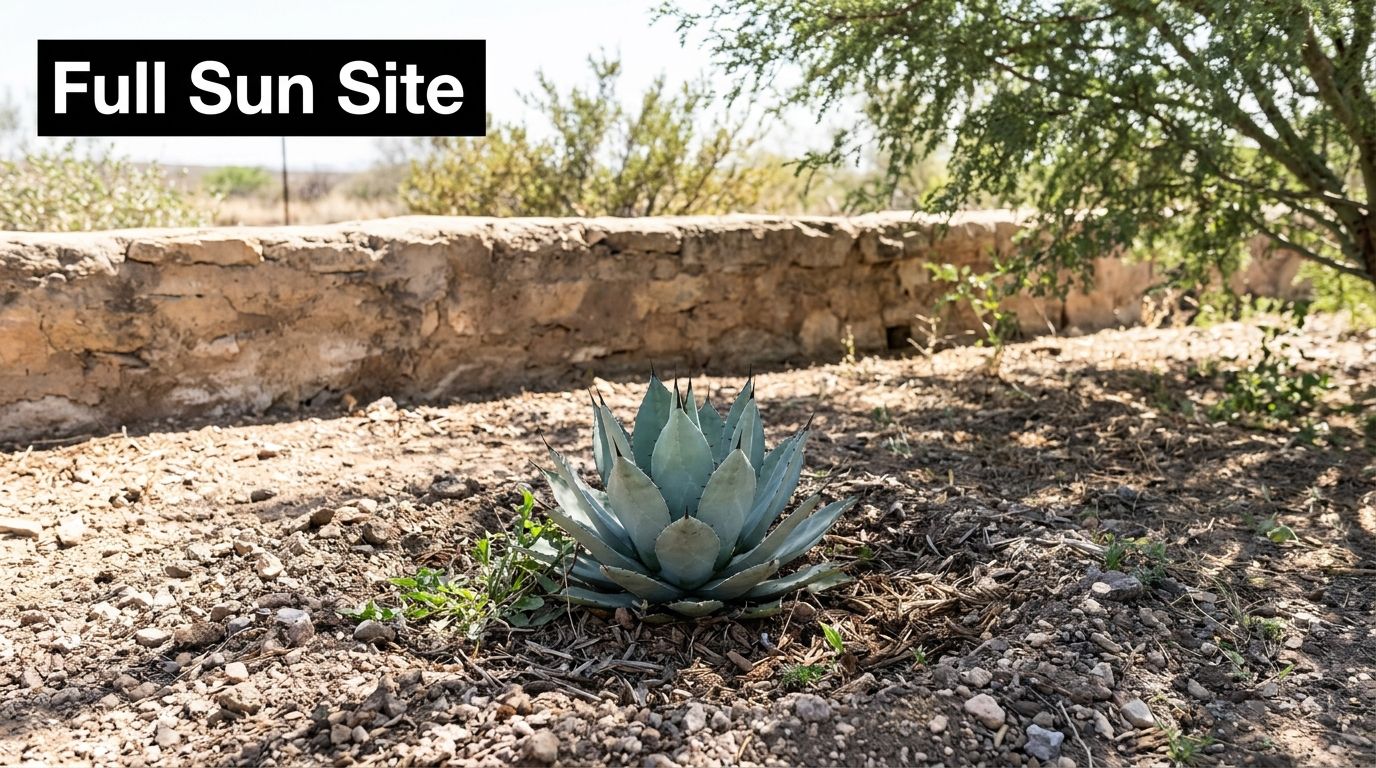
A common mistake is to put a young agave in a spot that looks sunny but catches runoff from a roof, downspout, or sprinkler line. The plant may get plenty of light while its roots sit in wet soil. Choose a place that stays bright and sheds water.
Parry's agave comes from high-elevation, semi-arid environments, not continuously moist garden beds. The University of Arizona Campus Arboretum records it across elevations of approximately 1,200–2,800 meters (3,937–9,186 feet), with a native range in Arizona, parts of New Mexico and Texas, and the mountains of Chihuahua and Durango in Mexico. That habitat helps explain its tolerance of intense sunlight, dry air, and substantial temperature variation. The Arboretum notes that full sun supports strong growth, though occasional shade can help during extreme heat. (University of Arizona Campus Arboretum profile of Agave parryi)
Read the site before planting
Watch how light and water move through the space over the course of a day. South-facing walls and paving can reflect heat onto the leaves, which may be useful in a cool site but intense during hot weather. If the plant will be exposed to harsh reflected heat, choose a position where it can get occasional afternoon shade without being left in deep shade overall.
Skip low points where runoff gathers, and keep the plant clear of sprinkler spray. A gentle slope or raised bed helps water move away from the crown. For a container, pick a bright location where you can keep the pot out of standing water.
If the agave has been growing in lower light, don't move it straight into the most intense sun. Increase its exposure gradually and check the leaves for bleaching or scorched patches. A useful planting spot is sunny after the soil has drained, not sunny despite staying wet.
Building a Fast-Draining Soil Mix and Container
A bare-root Parry's agave needs a root zone that sheds excess water before wet weather sets in. A watering routine cannot compensate for soil that stays saturated. Missouri Botanical Garden recommends sandy or gritty, well-drained soil and warns that poor drainage can lead to root rot. (Missouri Botanical Garden guidance on Agave parryi soil and water)
Use a porous cactus mix with sand, pumice, or other gritty mineral material, plus a smaller share of loam or peat. This gives roots support while allowing water to pass through and the mix to dry between waterings. For help selecting ingredients, consult this guide to cactus and succulent soil mix.
Check the container before filling it
Choose a pot with drainage holes that are open and clear. Unglazed clay often dries faster than moisture-retaining containers, but pot material is only part of the equation: mix composition and growing conditions also affect drying. Keep the pot out of standing runoff. Use feet or risers if water could gather underneath.
Test the prepared mix before planting. Fill the pot, water it thoroughly, and check that water exits through the holes without pooling on the surface. Slow drainage is a warning. Adjust the mix or clear blocked holes before placing the agave in the pot.
For a garden bed, choose gritty soil or a raised, sloped spot where water can drain away from the crown. Don't amend only the planting hole if the surrounding ground holds water. Runoff from that soil can still collect around the roots, especially during cold, wet weather. The practical check is simple: water must pass through, and the planting area must be able to dry.
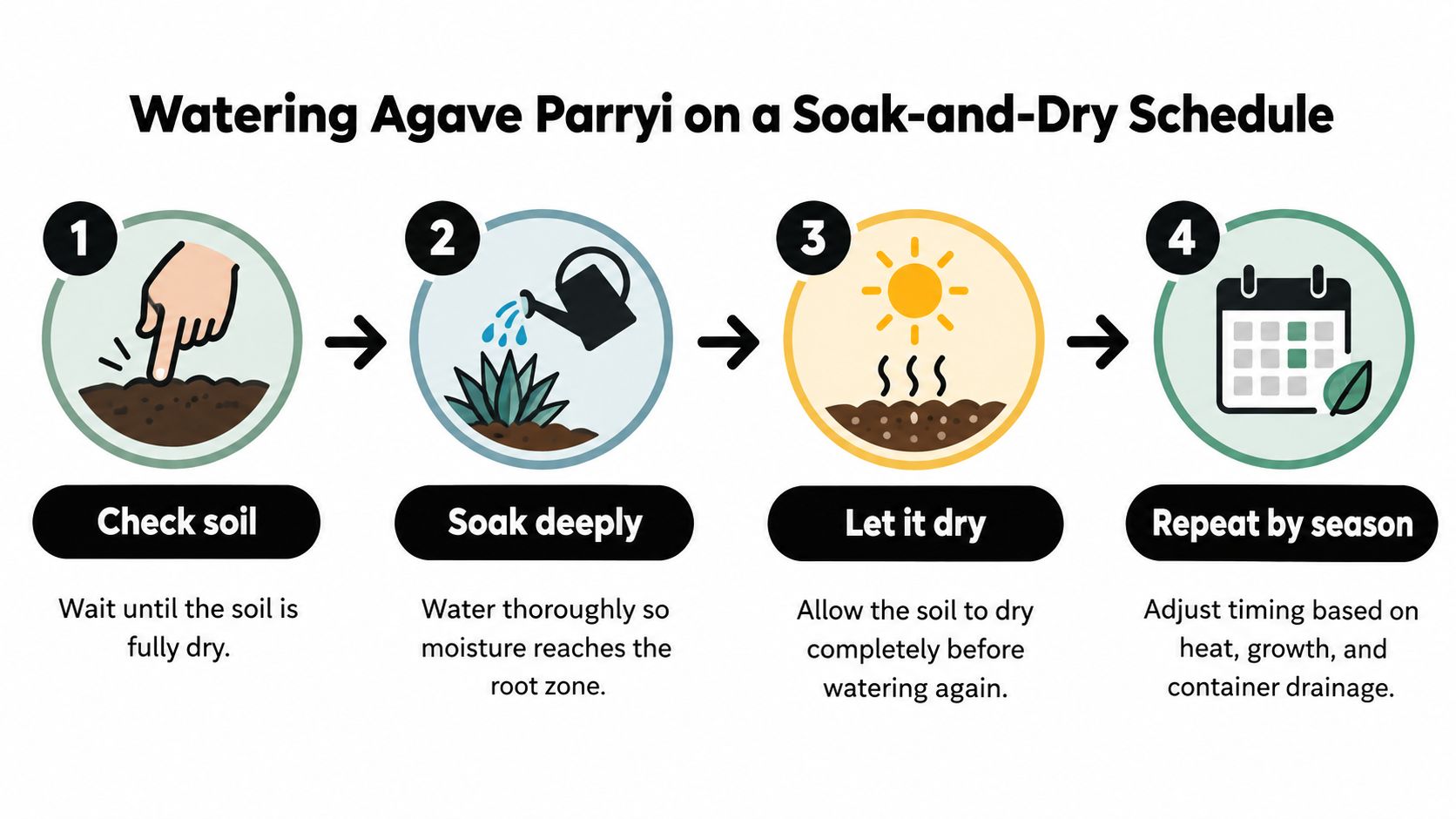
Watering Agave Parryi on a Soak-and-Dry Schedule
A small pot on a hot patio may dry quickly, while a larger container in cool weather can stay damp much longer. Check the root zone instead of watering on a fixed day. Water thoroughly, then let the growing medium dry completely before watering again.
Judge the mix, not the calendar
When the mix is dry, soak it until moisture reaches the roots. For a container, keep watering until it drains freely through the holes, then empty the saucer. Let the medium dry fully before watering again. Established plants need infrequent irrigation, and in cold winter conditions reduce or stop watering. Wet soil in cold weather raises the risk of root rot, so drainage and shelter from rain matter as much as temperature.
Check dryness below the surface. Lift the pot and compare its weight with how it feels just after watering. Probe the mix a few inches down, and check its color and texture. A dry surface can hide damp soil lower in a deep pot. If the lower mix still feels moist, wait.
The roots need air as well as water. Poor drainage or watering again before the root zone dries can leave them sitting wet, especially during cool spells. Let the soil dry, then water thoroughly. Adjust the interval to the pot, weather, and how quickly the mix drains, rather than following a rigid schedule. If a newly arrived plant is bare-root, wait until it is planted and settled before starting this routine, and avoid keeping its roots damp in the meantime.
Feeding and Planting a Bare-Root Agave
When a bare-root plant arrives, expect to see its roots without nursery soil or a nursery pot. The Cactus Outlet ships plants bare root, so prepare the planting spot and container before opening the package. Follow any handling instructions included with the order, and avoid leaving the roots exposed while you finish setting up.
Check the roots gently for damage, then position the plant in the prepared mix or ground. Set the crown at the same depth it sat in its previous medium, rather than burying the base deeper. Keep the crown clear of soil and make sure the plant is stable without packing the mix tightly around the roots.
Let the plant settle before feeding
Many growers wait to give the first deep watering until the plant is positioned, the mix has settled, and any root damage has been checked. That pause helps avoid turning a planting-day adjustment into prolonged moisture around disturbed roots. Once you do water, return to the soak-and-dry approach instead of keeping the medium continuously damp.
Parry's agave isn't a heavy feeder. During active growth, a light, balanced cactus or succulent fertilizer can be used at the rate on its label. Don't add extra fertilizer to compensate for slow establishment, and stop feeding during cold or dormant months.
For the first month, keep the plan simple: plant carefully, leave the roots undisturbed, observe how the mix dries, and hold off on extra water or fertilizer unless conditions call for it. A bare-root plant may need time to settle in before it looks established. Resist the urge to fix that adjustment period by handling, watering, or feeding it repeatedly.
Protecting Parry's Agave From Wet Cold
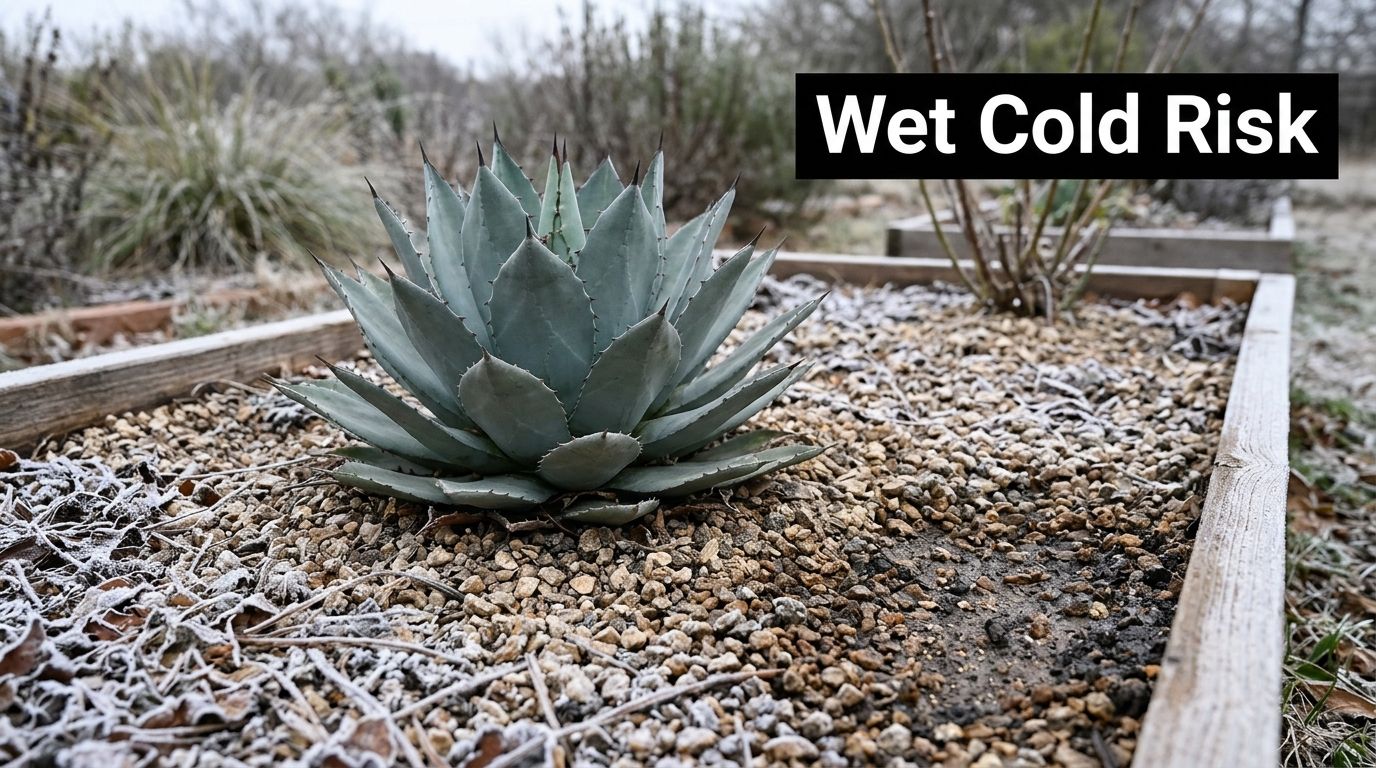
Moisture during a freeze matters as much as the thermometer, and often more than a dry cold snap. Saturated soil can leave roots oxygen-deprived while freezing damages the plant. A site that sheds rain and snowmelt is therefore a better starting point than a warmer but waterlogged position.
Hardiness figures are planning guides, not guarantees. Missouri Botanical Garden lists Parry's agave as reliably hardy in USDA Zones 7–10 and reports that some plants have survived temperatures as low as -20°F (about -29°C) when conditions are dry. North Carolina Extension Gardener lists cold tolerance to -5°F (about -21°C) when the plant is kept dry. These differences underline why cultivar, establishment, freeze duration, and winter moisture all matter. (Missouri Botanical Garden cold-hardiness profile for Agave parryi)
Prepare for wet freezing
Before winter weather, focus on keeping water from lingering around the plant:
- Stop routine irrigation before a freeze. Don't add water just before cold weather arrives.
- Check the container. Clear the drainage holes and raise the pot above standing water.
- Shelter a potted plant when needed. If prolonged wet freezing is forecast, move it under a roof or into an unheated, bright shelter.
- Choose a breathable cover. Don't seal plastic against the leaves.
- Keep in-ground planting positions open to drainage. A slope, raised bed, or overhang can help limit water reaching the crown.
For buyers comparing options for a colder garden, the guide to cold-hardy agaves offers a useful starting point. Treat a published low-temperature report as a threshold for planning, not a promise for a newly planted or wet specimen. The practical question is whether the forecast brings dry cold or cold combined with prolonged moisture.
Troubleshooting Rot, Sunburn, and Stretched Growth
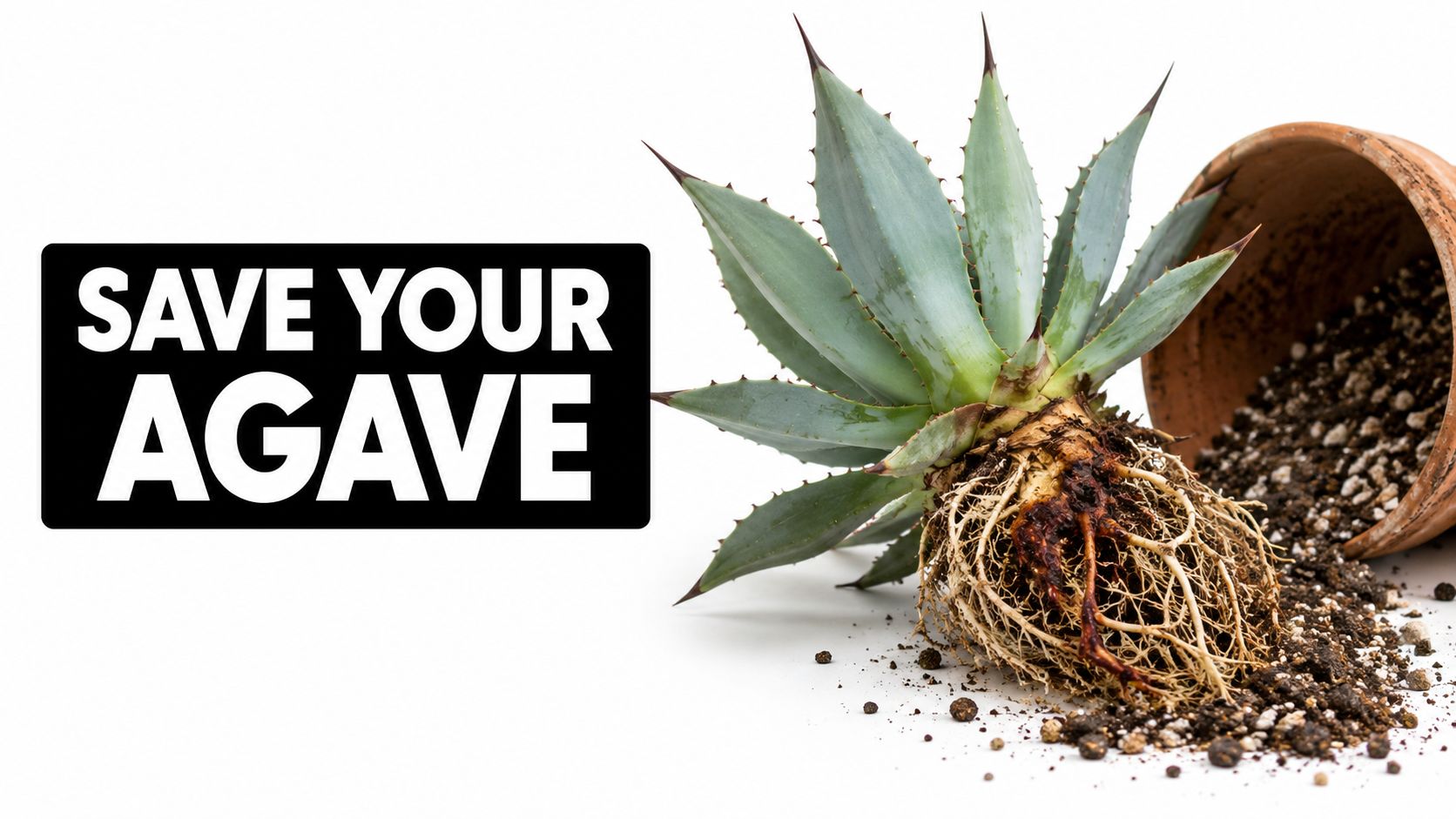
When an agave's base or crown turns soft or dark, check for trapped moisture before adding water. Pause irrigation and gently inspect the base for soft tissue. Remove damaged tissue if needed, then let the plant and mix dry before resuming a soak-and-dry routine. Start by checking drainage holes, the mix, and where water flows around the plant.
Wet soil can keep roots and the crown from drying, even when watering is infrequent. Look for blocked holes, compacted mix, or runoff collecting near the plant. A bare-root agave may still be settling into its new mix, so avoid repeated watering while the root zone remains damp. The guide to preventing post rot with FenceScape discusses keeping water from lingering around structures, a useful reminder to keep drainage pathways clear.
Match the symptom to the cause
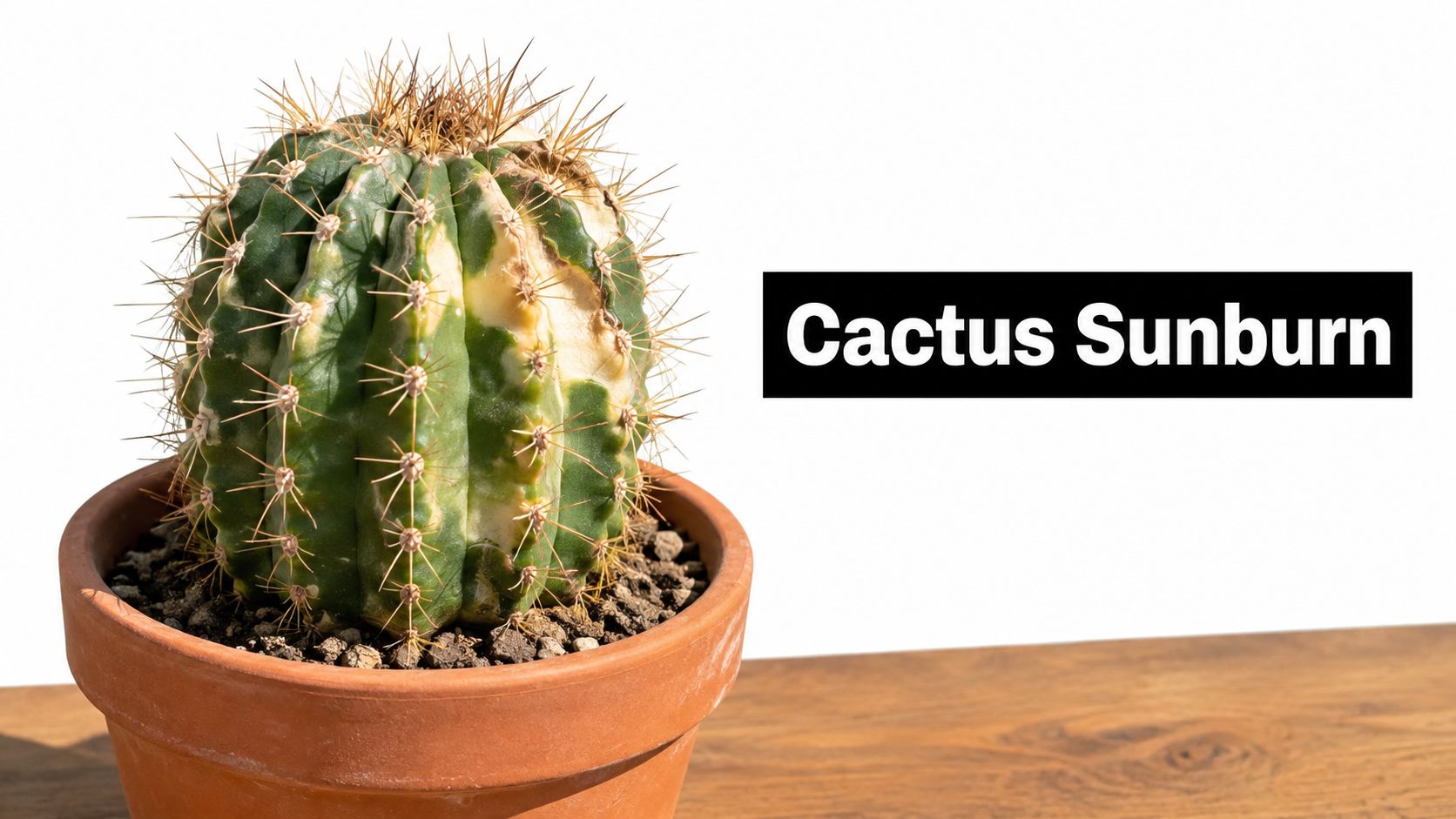
Leaves that bleach or scorch after a move into strong sun often reflect a sudden change in exposure. Increase direct light gradually so the plant can adjust. Pale, stretched growth suggests inadequate light; give the agave brighter exposure rather than more irrigation.
Check leaf bases for scale or mealybugs during inspection. Remove pests by hand when practical. If you use a treatment, follow its product label.
Match the correction to the symptom. More water will not fix a dark, soft crown when the roots stay wet, and shade will not correct stretched growth caused by low light. Identify the symptom, check the growing conditions, and make one targeted correction at a time.
Matching Plant Size to Your Site and Next Steps
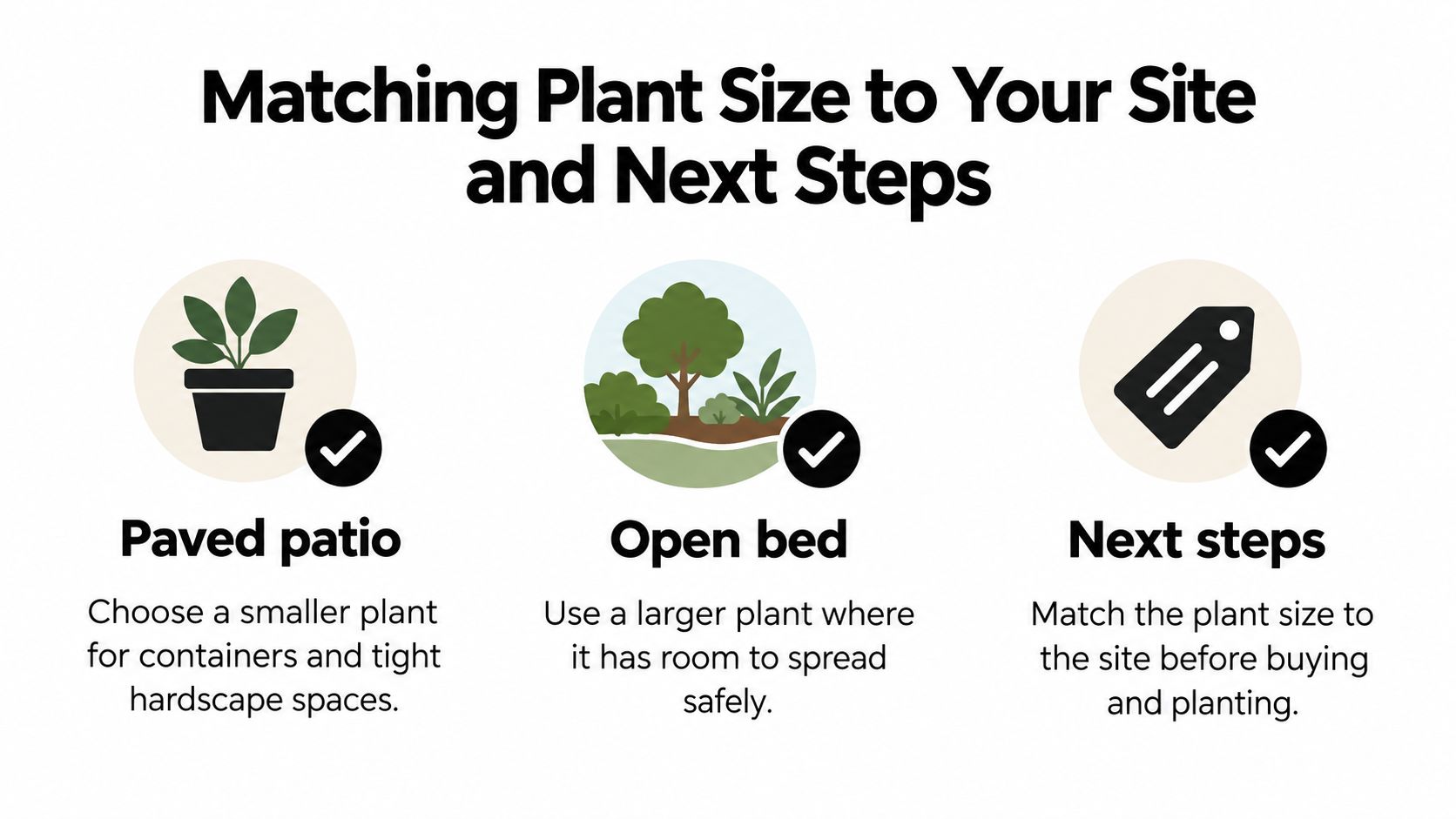
The right plant size depends on where you'll grow it and how you'll manage it. A paved patio or tight hardscape space may call for a smaller plant in a container that can be moved if winter rain becomes a concern. An open garden bed may suit a larger specimen, provided the planting site has room for it and drains well.
Before choosing a container, consider its weight when filled and how you'll move it under shelter. Leave access for future repotting, and make sure the plant's position works with paths and nearby hardscape. In a planting bed, plan for a clear, dry planting position rather than choosing a spot only because it's convenient to view.
Plan for arrival, not just appearance
A bare-root shipped plant won't arrive in nursery soil or a nursery pot, and it may need time to settle after planting. Plan for that establishment period rather than expecting it to look immediately like a mature garden specimen. For more context on choosing agaves for an outdoor design, use this agave landscaping guide.
Before arrival, check that the site gets suitable sun and doesn't collect runoff. Prepare a gritty mix or a drained container, and decide where you'll move or cover the plant if wet freezing is forecast. Then review the available agaves to match plant size and form to your space.
The Cactus Outlet offers premium agaves shipped bare root with careful packaging, and its agave collection can help you compare options for a container or garden bed. Before ordering, confirm your site's exposure, have the planting setup ready, and make a winter-cover plan.
For a Parry's agave, success starts with a bright, dry planting place and a container or bed that drains freely. Visit The Cactus Outlet to review the agave selection and choose a plant that fits your site, then prepare its gritty growing space before it arrives.