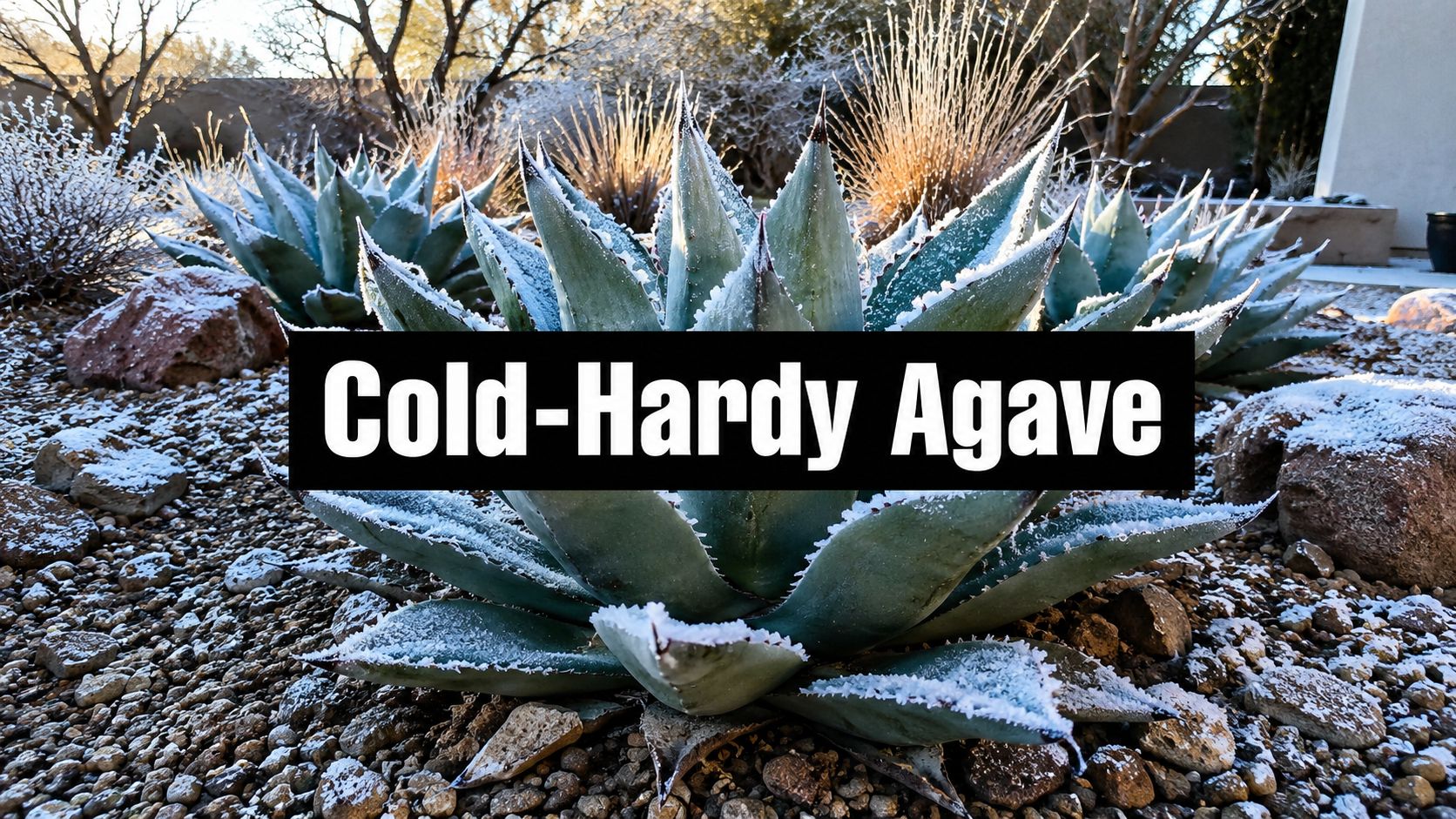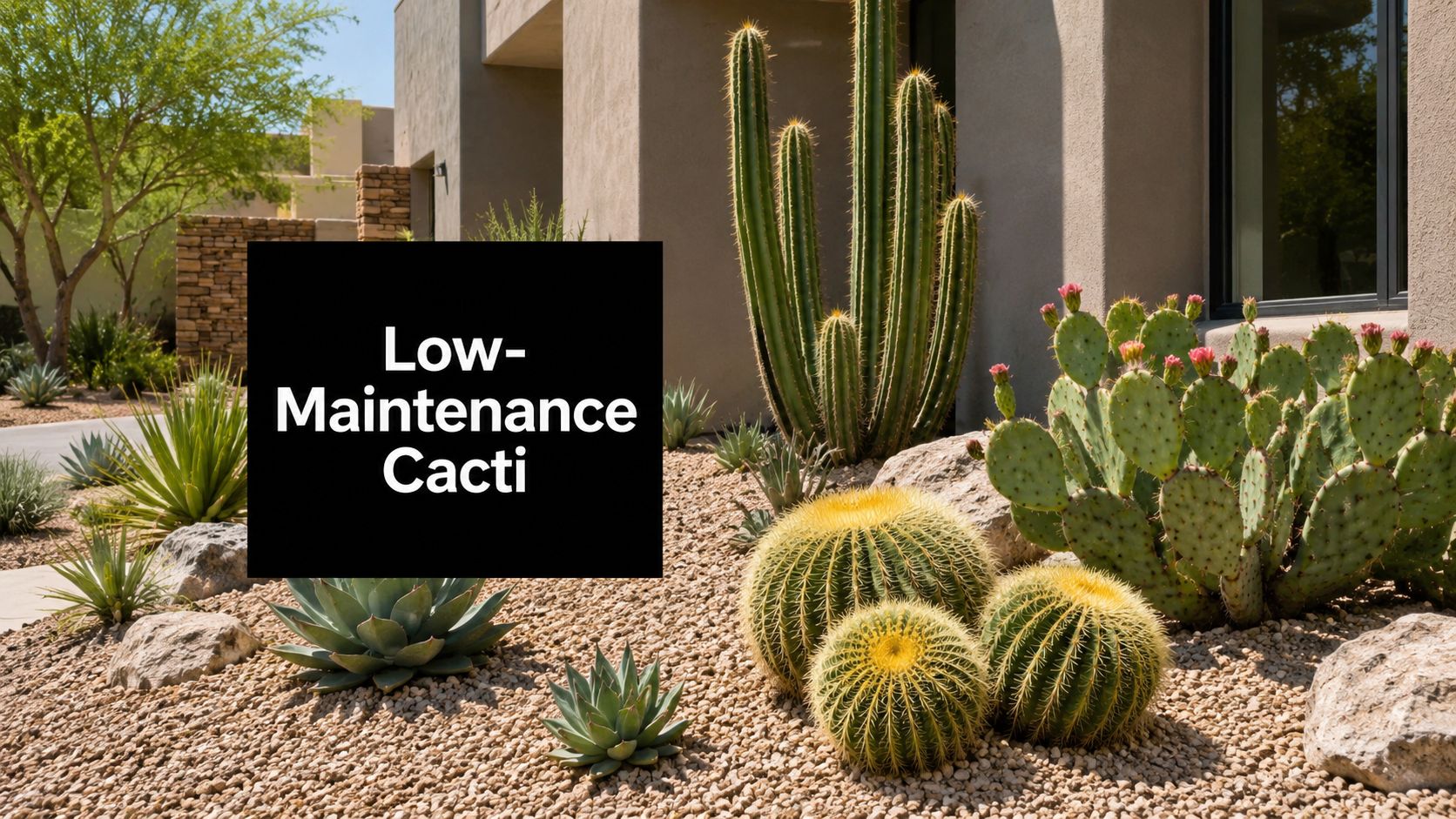



Learning how to care for an Agave americana is pretty straightforward. If you give it what it wants—plenty of sunlight, well-draining soil, and a good "soak-and-dry" watering routine—you'll be rewarded with a stunning, low-maintenance plant, whether it's living indoors or out in your garden.
A Look Into Agave Americana’s Roots

The Agave americana has a rich history packed into its iconic, sculptural form. It's often called the 'century plant,' but that's a bit of an exaggeration. It typically flowers after 10–30 years, not a full 100, marking the end of its life with a spectacular bloom.
Native to Mexico and the American Southwest, this plant was a vital resource for pre-Columbian peoples. In fact, ancient Hohokam farmers developed ingenious rock mulching methods to conserve precious water and help their agave thrive in the harsh desert. You can even read the full research about these water-saving techniques to see how far back this cultivation goes.
To get your agave to flourish, you just need to replicate its native conditions:
- Full sun (6+ hours of direct light daily)
- Sharp drainage (a sandy or gritty soil mix is a must)
- Occasional deep watering, allowing the soil to dry out completely in between
Why Bother Growing Agave Americana?
Honestly, few plants offer so much visual impact for so little effort. These succulents can handle a level of neglect that would spell doom for most common houseplants. Their bold, architectural shape makes them a fantastic focal point in a garden bed or a modern indoor display.
As an expert, I can tell you this: The hardy nature of Agave americana means you get all the drama with none of the fuss. It's a plant that truly gives back more than it takes.
You don't need any fancy, expensive soils. My tried-and-true recipe is a simple blend: one part standard potting soil, one part coarse sand, and one part perlite. This combination perfectly mimics its natural desert habitat and, most importantly, prevents the dreaded root rot.
For a deeper dive into different agave varieties and soil mixes, be sure to explore our guide to the wonderful world of agaves.
Quick Maintenance Tips from a Pro
Keeping your agave happy is simple if you stick to a few basic rules. These are the little things that prevent problems before they even start.
- Don't overwater! Wait until the top two inches of soil are completely dry to the touch before you even think about grabbing the watering can.
- Keep it clean. Gently brush away any fallen leaves or debris that get stuck down in the base of the leaves. This prevents moisture from getting trapped, which can lead to rot.
- Go easy on the fertilizer. A single feeding with a low-nitrogen blend in early spring is all it needs for the entire year.
- Protect the young ones. If you have small pups and a surprise cold snap is coming, toss a cloth cover over them on chilly nights to protect them from frost.
Following these simple tips will help your Agave americana become a real showstopper. Just picture one in a pot on your patio, its striking blue-gray leaves catching the light of the setting sun. And when it produces pups, you can easily divide them in the spring to get more vibrant plants for free.
Embrace its resilience, and you’ll have an iconic plant that elevates any space it's in.
Ready to give your Agave americana a home where it can truly thrive? Getting the environment right from the start is the single most important thing you can do for your new plant. These aren't fussy plants by any means, but nailing their light, temperature, and soil needs will make all the difference.
Light And Temperature
Agave americana is a sun worshipper, plain and simple.
If you're planting it outdoors, find a spot that gets at least 6 hours of direct, bright sunlight every day. They are built for the heat and can handle scorching summer sun without breaking a sweat. In fact, the more sun you give them, the more robust their growth and vibrant their color will be. They are incredibly drought-tolerant and thrive in arid, desert-like conditions.

For those of us in cooler climates, you can absolutely grow these beauties in containers. Just be mindful of the cold. While mature plants can often tolerate a brief dip down to 15°F (-9°C), it's risky. A prolonged freeze can turn the leaves to mush. If you expect a hard frost, it's best to bring your potted agave indoors or provide it with some serious protection.
Bringing it inside for the winter? A south-facing window is your best friend. It provides the intense light these plants crave. If you don't have a sunny window, a grow light is a great alternative to prevent your agave from getting stretched out and pale.
To make it simple, here’s a quick-reference chart for setting up your agave's new home.
Agave Americana Ideal Conditions
| Care Factor | Outdoor Recommendation | Indoor Recommendation |
|---|---|---|
| Light | 6+ hours of direct sunlight | Brightest spot possible; south-facing window or grow light |
| Temperature | Thrives in heat; protect from freezes below 15°F (-9°C) | Standard room temperature; keep away from cold drafts |
| Soil | Sandy, rocky, extremely well-draining soil | Cactus/succulent mix amended with perlite or pumice |
| Water | Deeply but infrequently; allow soil to dry out completely | Water only when soil is 100% dry; reduce in winter |
Following these guidelines will set your agave up for a long, healthy life, whether it lives in your garden year-round or spends its winters as a houseplant.
Soil And Potting
When it comes to soil, the number one rule for agaves is drainage, drainage, drainage. They absolutely despise having "wet feet," and waterlogged soil is the fastest way to invite root rot, a condition that is often fatal.
For agaves planted in the ground, this means choosing a spot with sandy or gravelly soil. If you have heavy clay soil, you'll need to amend it heavily. Dig a hole much larger than the root ball and mix in generous amounts of sand, perlite, or small gravel to improve its structure. Building a raised bed or mound is another excellent strategy to ensure water drains away from the plant's sensitive crown. Good landscaping and drainage solutions are key for in-ground success.
If you're potting your Agave americana, never use standard potting soil straight from the bag—it holds way too much moisture.
Expert Tip: Your best bet is to use a specially formulated cactus and succulent mix. For even better results, I like to create my own blend by mixing one part potting soil with two parts mineral grit, like perlite or pumice. This creates a lean, airy medium that dries out quickly, mimicking the plant's natural habitat.
We’ve actually detailed our favorite recipe here: The Cactus Outlet's Perfect Cactus & Succulent Soil Mix.
Finally, always choose a pot with a large drainage hole. Terracotta is an excellent choice because its porous nature helps the soil dry out more evenly. This simple choice can make a huge difference in preventing moisture-related problems down the line.
When it comes to watering your Agave americana, think "feast or famine," just like it would experience in its native desert environment. The biggest mistake you can make with these plants is overwatering them. Their roots are built for dry conditions and will quickly rot in soil that stays constantly wet.
The golden rule is the "soak and dry" method. When it's time to water, give the soil a thorough soaking until water runs freely from the drainage holes. This ensures the entire root system gets a good drink. Then, and this is the crucial part, let the soil dry out completely before you even think about watering it again.
How Often to Water Your Agave
How often you'll need to water depends heavily on your climate, the time of year, and whether your agave is in a pot or in the ground.
-
Growing Season (Spring and Summer): During the active growing months, you might find yourself watering every 2-4 weeks. A simple finger test works best—stick your finger 2-3 inches deep into the soil. If it feels bone dry, it's time to water. If you feel any moisture at all, wait longer.
-
Dormant Season (Fall and Winter): As the weather cools, your agave's growth will slow dramatically, and so will its need for water. You can scale back watering to once every month or two, or even less if you live in a wet winter climate. For outdoor plants, natural rainfall might be all they need.
Expert Tip: When in doubt, don't water. Agaves are far more resilient to drought than they are to root rot. An underwatered agave might look a little shriveled, but an overwatered one is often a goner before you realize there's a problem.
For a deeper dive into the specifics of watering succulents, check out our comprehensive guide on How to Water Succulent Plants.
Potted vs. In-Ground Agaves
Container-grown agaves will need more frequent watering than those planted in the landscape. The soil in pots dries out much faster, especially in terracotta, which wicks moisture away. In-ground plants, on the other hand, have a much larger volume of soil to draw from and can often thrive with just seasonal rainfall once established.
Always water the soil directly, not the plant itself. Pouring water into the central rosette can trap moisture at the base of the leaves, creating a perfect breeding ground for fungal rot, which can be fatal to the plant.
Caring for an Agave americana is mostly a hands-off affair, but getting a few key things right will make all the difference. Think of it less as a strict routine and more as setting the stage for the plant to do what it does best.
Light, Temperature, and Finding the Perfect Spot
These agaves are true sun worshippers. They crave full, direct sun—at least 6 to 8 hours a day is the sweet spot. If you're planting one in your yard, pick the sunniest, most open spot you have. A south-facing or west-facing location that gets blasted by the afternoon sun is ideal.
For those of us growing them in pots, the same rule applies. Place your container where it will get maximum sun exposure. If you're keeping it indoors (which can be tricky long-term), it absolutely must be in your sunniest window. A south-facing window is non-negotiable. Without enough light, you'll see it start to stretch and lose its beautiful, compact shape.
Agave americana is quite tough when it comes to temperature. It can handle blistering heat without a problem. It’s also surprisingly cold-hardy for a succulent, tolerating brief dips down to 15°F (-9°C) once established. However, a prolonged, hard freeze can cause serious damage, so if you live in a colder climate, a container is your best bet. This allows you to bring it indoors or to a protected spot during the winter.
Soil and Potting: The Foundation of Good Health
The single most important rule for any agave is excellent drainage. Their roots will quickly rot in soggy, waterlogged soil. It's the fastest way to kill one.
If you're planting in the ground, heavy clay soil is a no-go. You'll need to amend it heavily with sand, gravel, or perlite to improve drainage. The ideal soil is sandy or gritty. Many of us here at The Cactus Outlet have had great success creating a simple mix of native soil and a generous amount of decomposed granite or small pebbles.
For container growing, never use standard potting soil straight out of the bag. It holds way too much moisture. Instead, grab a bag of commercial cactus and succulent mix. To make it even better, I like to add extra grit—about a 1:1 ratio of cactus mix to perlite, pumice, or coarse sand. This creates a lean, fast-draining medium that mimics their natural habitat.
When choosing a pot, make sure it has a drainage hole. No exceptions! Terracotta pots are a fantastic choice because the porous clay helps the soil dry out more evenly.
Watering: The "Less is More" Approach
Overwatering is the number one mistake people make with Agave americana. These plants are built to withstand drought, storing water in their thick leaves.
During the growing season (spring and summer), the best method is the "soak and dry" technique. Water the plant thoroughly until you see water running out of the drainage hole. Then, let the soil dry out completely before you even think about watering it again. How often will that be? It depends entirely on your climate, the pot size, and sun exposure. It could be every 2 weeks or even once a month.
Pro Tip: Don't trust a watering schedule. Instead, trust your finger. Stick it about two inches deep into the soil. If you feel any moisture at all, wait longer. The top few inches should be bone dry.
In the fall and winter, when the plant is dormant, you need to cut back on watering dramatically. For agaves planted outdoors, natural rainfall is usually enough. For potted plants, you might only need to water once every 4 to 6 weeks, just enough to keep the leaves from shriveling.
Fertilizing: A Light Touch is Best
Agave americana doesn't need much in the way of fertilizer. In their native environment, they thrive in poor, rocky soils. Too much fertilizer can lead to weak, unnatural growth and can even prevent them from flowering.
If you feel the need to fertilize, a light feeding once a year in the spring is plenty. Use a balanced liquid fertilizer diluted to half-strength, or a specialized cactus and succulent formula. If your agave is planted in the ground, it likely doesn't need any fertilizer at all, especially if the soil is amended.

Repotting and Propagation
Your agave will only need repotting every 2-3 years, or when it becomes visibly root-bound. They actually prefer to be slightly snug in their pots. When it is time, choose a new pot that is only one size larger—about 2 inches wider in diameter. Repotting in the spring is best.
Propagation is one of the most rewarding parts of owning an Agave americana. They do the work for you by producing "pups," or small offsets, around the base of the mother plant.
- Wait for the Pups to Grow: Let the pups grow to a decent size (at least a few inches tall) before separating them.
- Make a Clean Cut: Use a sharp, clean knife to sever the pup from the main plant, trying to get some roots along with it.
- Let it Callous: Allow the cut end of the pup to dry and form a callous for several days in a shady spot. This is a critical step to prevent rot.
- Plant it: Plant the calloused pup in a small pot with a fast-draining cactus mix.
- Wait to Water: Don't water it for at least a week to allow roots to begin forming. After that, give it a light watering and treat it like a mature plant.
Pests and Diseases: Staying Vigilant
Agave americana is generally pest-free, but there are a couple of things to watch out for, especially the agave snout weevil. This nasty pest burrows into the base of the plant to lay its eggs, and the larvae then eat the plant from the inside out. By the time you notice the plant collapsing, it’s often too late.
The best defense is prevention. A systemic insecticide applied to the soil in the spring can offer protection. Always inspect plants for signs of weevils before buying, and never plant a new agave in a spot where a previously infested one was removed.
Scale insects and mealybugs can also sometimes appear. You can often handle small infestations by dabbing the pests with a cotton swab soaked in 70% isopropyl alcohol. For larger issues, insecticidal soap or horticultural oil can be effective. Just remember, the primary cause of disease is almost always root rot from overwatering, so proper soil and watering are your best defense.
This document details the vocabulary for a constructed language, organized alphabetically for ease of reference. Each entry includes the word, its pronunciation in the International Phonetic Alphabet (IPA), and its definition.
A
a /a/ - conj. A conjunctive particle, meaning "and."
aba /aba/ - n. father, dad
abash /abaʃ/ - v. to get dressed
abak /abak/ - n. bed
abal /abal/ - v. to run
abana /aba'na/ - n. clothes
abanga /abɑŋ'a/ - n. bed
abanin /aba'nin/ - n. bedroom
abar /abaɾ/ - v. to give birth
abe /abɛ/ - prep. on
abeg /abɛg/ - v. to take
aben /a'bɛn/ - v. to live
aber /abɛr/ - v. to have, to own, to possess, to get, to receive
abi /a'bi/ - n. place
abid /a'bid/ - v. to come
abidan /abi'dan/ - n. arrival
abil /abɪl/ - n. time
abin /a'bin/ - n. animal
abis /a'bis/ - adj. here, this
abo /abo/ - adv. on
aboi /abɔɪ/ - n. person
abot /abot/ - n. cat
abu /a'bu/ - n. number
abuk /a'buk/ - n. home
abum /abʊm/ - v. to find
abus /a'bus/ - n. people
afan /afan/ - adj. small, little
afe /afeɪ/ - v. to live
affy /afai/ - n. bed
afi /afi/ - v. to sing
afon /afon/ - v. to go
afu /afu/ - n. house
aga /aga/ - a. young, new
agag /agag/ - v. to have, to own, to possess, to get, to receive
agan /agan/ - n. flower
agar /agar/ - n. flower
agur /agur/ - n. morning
agut /agut/ - v. to know, to be aware of
aj /aʒ/ - conj. because, due to
ak /ak/ - prep. for
akab /akab/ - n. to eat
akabam /aka'bam/ - v. to eat (past tense)
akam /akam/ - v. to see
akama /aka'ma/ - n. sight
akan /akan/ - v. to know
akh /ax/ - n. home
akhe /axe/ - v. to want
akhen /axen/ - n. something you want, desire
akl /akl/ - n. person
akla /akla/ - adj. alive
akli /akli/ - v. to be
ako /ako/ - n. place
akom /akom/ - n. body
akoma /akoma/ - n. mind
aksu /aksu/ - n. water
akus /a'kus/ - adv. out, outside
al /al/ - v. to do, to make
alaf /alaf/ - adj. good
alad /alad/ - n. man
alak /alak/ - n. money
- "Alak!" = "Fuck!"
alam /alam/ - n. thing, something
alan /alan/ - n. dog
ale /ale/ - n. thing, something
alem /aləm/ - v. to be able to, can
algon /algon/ - n. book
ali /ali/ - n. house
alor /aloʀ/ - n. city, town
alu /alu/ - adj. alive
am /am/ - adv. very, really, extremely
an /an/ - art. the (definite article)
anna /ˈa.n:a/ - n. food
ant /ant/ - prep. on
ap /ap/ - conj. so, therefore
apah /apa/ - n. time, period
apo /apo/ - n. mother
ar /aɾ/ - pron. you
as /as/ - adv. how, what
asha /aʃa/ - adv. here, in this place
ashka /aʃka/ - num. four
asl /asl/ - n. place
asta /asta/ - v. to see
astam /as.tam/ - v. to show
asya /a.sja/ - n. woman
at /at/ - prep. to, in, into
atish /atiʃ/ - n. fish
atras /atras/ - n. land
au /aʊ̯/ - interj. hello, goodbye
B
- ba
- bag
- bak
- ban
- bat
- be
- bi
- bu
C
- ch
- cha
- chak
- chan
- che
- chi
- chu
D
- da
- dam
- dap
- de
- den
- do
- don
E
- e
- esh
- eska
F
- fa
- fan
- fe
- fek
- fet
- fi
- for
- fu
- fum
- fus
G
- ga
- ge
- geh
- gen
- go
I
- i
- id
- ifa
- ik
- im
- in
- in
- ir
- ish
- it
- itz
- iz
J
- ja
- ja
- je
- ji
- jin
- jo
- ju
K
- ka
- kah
- kai
- kan
- ke
- kes
- ki
- ko
- kom
- ku
L
- la
- le
- leem
- li
- lin
- lok
- lon
- loq
- lu
M
- ma
- me
- mi
- milo
- mu
N
- na
- nak
- nan
- ne
- ni
- nin
- nuk
O
- o
- of
- oh
- ok
- on
- oo
P
- pa
- pai
- pak
- pan
- par
- paz
- pe
- pi
- pik
- po
- por
- pu
- pua
S
- sa
- se
- shi
- si
- sin
- so
- son
- su
T
- ta
- tak
- tan
- tara
- te
- ti
- to
- to'
- tu
- tuk
U
- ul
- um
- un
- up
- ur
So, you've decided to bring home an Agave americana, also known as the Century Plant. A fantastic choice! These architectural beauties make a bold statement, but getting their care right from the start is key to helping them thrive. Let's walk through everything you need to know, from the ground up.
Site Selection: Light and Temperature
First things first, where is your new agave going to live? These plants are sun worshippers, plain and simple.
For an outdoor agave, you need to find the sunniest, warmest spot in your yard. Think of their native desert habitat—they crave at least 6 hours of direct, unfiltered sunlight every day. A south-facing wall that reflects heat is often a perfect microclimate.
If you're growing your Agave americana indoors, a south-facing window is non-negotiable. It’s the only spot that will provide the intense light it needs to maintain its vigorous growth and iconic shape. If you see it stretching out or losing its compact form, it's begging for more light.
As for temperature, these are tough plants. They can handle scorching summer heat, easily tolerating temperatures well over 100°F (38°C). They’re also surprisingly cold-hardy for a succulent, capable of surviving brief dips down to 15°F (-9°C) once established. However, if you live in a climate with prolonged freezes, you'll need to either plant it in a pot that can be moved indoors or provide heavy winter protection.
Soil and Potting
Getting the soil right is probably the most critical step. Agaves absolutely despise "wet feet," and root rot is their number one enemy. Standard potting soil from a bag is a death sentence.
You need a soil mix that drains lightning-fast. For potted plants, I swear by a simple, effective mix:
- 50% cactus/succulent soil
- 50% mineral grit like perlite, pumice, or coarse sand
This 50/50 blend creates the perfect balance, allowing water to flow through quickly while providing just enough substance for the roots to anchor. Always, and I mean always, use a pot with a drainage hole. No exceptions.
If you're planting directly in the garden, you'll likely need to amend your native soil. Dig a hole much larger than the root ball and mix in generous amounts of sand, gravel, or decomposed granite to improve drainage, especially if you have heavy clay soil.
Watering: The "Soak and Dry" Method
When it comes to watering, forget a fixed schedule. The best advice I can give is to learn the "soak and dry" method. It mimics the infrequent but heavy downpours of their natural environment.
Here’s how it works: Water the plant thoroughly until you see it running out of the drainage hole. Then, and this is the important part, let the soil dry out completely before you even think about watering again. You can check by sticking your finger a few inches into the soil. If you feel any moisture at all, wait.
During the active growing season (spring and summer), this might mean watering every 7-10 days if it's hot and the plant is in a small pot. In the winter, when the plant is dormant, you’ll cut back dramatically. I often go 4-6 weeks or even longer between waterings for my dormant agaves. Overwatering in winter is the fastest way to kill one.
Expert Tip: A potted agave that feels unexpectedly light when you lift it is a good sign that the soil is bone dry and it's ready for a drink.
Fertilizing: Less Is More
Agaves are not heavy feeders. They are adapted to thrive in nutrient-poor soils, so it's easy to overdo it with fertilizer.
A light feeding with a balanced, low-nitrogen liquid fertilizer, diluted to half-strength, is plenty. Apply it just once or twice during the spring growing season. That's it. Fertilizing in the fall or winter can encourage weak, leggy growth that's susceptible to cold damage and pests.
Repotting and Propagation
Your agave will eventually outgrow its pot, but thankfully, not too quickly. You'll know it's time when you see roots growing out of the drainage hole or when the plant looks like it's about to burst the container. This is usually every 2-3 years. The best time to repot is in the spring, just as new growth begins. Choose a pot that’s only about 2 inches wider in diameter than the previous one.
Propagation is one of the most rewarding parts of owning an Agave americana. They do the work for you by producing offsets, or "pups," around the base of the mother plant.
Once a pup is a decent size (at least a few inches tall with its own small root system), you can separate it.
- Gently excavate the soil around the pup's base.
- Use a clean, sharp knife to cut the stolon (the thick root) connecting it to the mother plant.
- Let the pup's cut end dry and form a callus for a few days in a shady spot. This prevents rot.
- Plant the pup in its own pot with a well-draining soil mix. Wait about a week before giving it its first light watering.