

You love the look of a cactus garden, but you live where winter is real. The forecast drops hard, the soil stays cold for weeks, and every nursery tag seems to assume you garden in the desert. So you hesitate. You figure cacti belong in gravelly western environments, not in a Zone 7 yard that gets winter rain, sleet, and the occasional freeze-thaw mess.
That hesitation makes sense. It just points at the wrong problem.
A cold hardy cactus in Zone 7 usually doesn't die because the air got cold. It dies because the roots sat wet while the cold arrived. That's the difference that changes everything. If you understand that one trade-off, genetics plus drainage, you can stop guessing and start building conditions that these plants can survive in.
Most failed cactus plantings in Zone 7 follow the same pattern. The plant itself was tough enough. The bed wasn't. Gardeners put a hardy species into regular garden soil, maybe add some compost because that's what works for perennials, then wonder why the crown turns soft by late winter. The cold gets blamed. The trapped moisture caused the damage.
Can Cacti Really Survive a Zone 7 Winter
A Zone 7 gardener plants a hardy prickly pear in October, leaves it in ordinary flower-bed soil, and heads into winter feeling optimistic. By March, the pads are collapsed at the base and the crown is soft. I have seen that failure enough times to know what happened. The cactus did not go into winter with the dry, fast-draining root run it needed.
Yes, cacti can survive a Zone 7 winter outdoors for years. The Missouri Botanical Garden lists several hardy Opuntia and related cacti as suitable for cold-winter gardens in the right conditions, including dry sites with excellent drainage, in its cactus plant finder and culture guidance. Survival comes from a two-part equation. The species has to be genetically hardy enough for your lows, and the planting has to stay dry enough through winter for that hardiness to matter.
That second part decides a lot of outcomes in real gardens. Zone 7 is often harder on cacti than colder, drier climates because winter moisture hangs around. Rain, sleet, melting snow, and slow-draining soil keep the crown wet and the roots cold at the same time. Once that happens, rot starts subtly and shows up later.
The mistake most Zone 7 gardeners make
The common mistake is treating a cactus like any other drought-tolerant perennial. It gets tucked into a flat bed beside salvias and coneflowers, planted with compost-rich soil, then mulched with bark that holds moisture around the base. The plant may look fine for months. The damage shows up after repeated wet-cold cycles, when the crown turns soft or the lower pads detach.
Practical rule: In Zone 7, winter cactus survival depends on two things. Cold-hardy genetics and roots that stay dry.
That is why the same species can sail through winter in one yard and fail in another a few miles away. A raised gravel bed on a slope gives the plant a real chance. Heavy soil in a low spot usually does not.
What actually works
Gardeners who keep cacti alive long term in Zone 7 usually rely on a few simple choices:
- Plant on a mound or berm so water drains away from the crown fast.
- Use mineral-heavy backfill with grit, gravel, or crushed stone instead of compost-heavy mixes.
- Keep fall watering light so growth firms up before winter.
- Skip moisture-trapping mulches like shredded bark right against the plant.
- Expect a rough winter appearance because many hardy cacti shrink, wrinkle, or bronze during dormancy.
That last point throws people off. A winter-dormant cactus often looks stressed even when it is handling cold exactly as it should. Pads may flatten and lose some fullness because the plant is reducing internal water. In spring, a healthy plant firms back up once warmth returns and the roots are still sound.
So yes, cacti can live through a Zone 7 winter. The growers who succeed do not rely on the hardiness label alone. They build a bed that sheds winter water fast, because dry roots give a hardy cactus the conditions it needs to prove it.
Understanding Cold Hardiness in Zone 7
Zone 7 gives cactus growers enough winter cold to expose weak plant choices and sloppy site prep. USDA Zone 7 has average minimum temperatures between 0°F and 10°F, according to this Zone 7 cactus planting reference. That matters, but for cacti it is only half the calculation. The other half is whether the root zone stays dry enough for the plant to sit dormant without rotting.

Hardiness is not a simple label
Cold hardiness in cactus is a two-part equation. First, the species needs the genetics to tolerate freezing conditions. Second, the planting site has to keep winter moisture from hanging around the roots and crown long enough to cause rot.
Nursery tags usually cover the first part. They rarely tell you much about the second.
In practical terms, a cactus that handles Zone 7 in a gravelly raised bed may fail fast in a flat bed with rich soil. I have seen growers blame the plant, when the problem was a root zone that stayed damp for days after every winter rain. Hardy cacti want mineral soil with air spaces, fast drainage, and very little organic matter around the crown.
A useful way to judge your site is simple. After a cold rain, check how long the bed stays wet a few inches down. If it is still holding moisture well into the next day, that spot is already working against the plant.
In Zone 7, a hardiness rating only means something if the roots can spend winter on the dry side.
What this means in the garden
Read a hardiness label as a starting point. Then judge the bed with the same level of skepticism you would use for any other high-risk plant.
Use this quick comparison when planning:
| Condition | Likely result |
|---|---|
| Hardy cactus in fast-draining mineral soil | Better odds of a clean dormant period and healthy spring recovery |
| Hardy cactus in rich, moisture-retentive soil | Rot risk rises quickly during winter wet spells |
| Tender cactus in perfect drainage | May survive a mild winter, but losses are still common in stronger freezes |
| Hardy cactus in a low, soggy bed | Repeated winter stress, weak growth, and short plant life |
The practical definition of cold hardy cactus zone 7
If you're searching for cold hardy cactus Zone 7, use a stricter definition than the tag at the nursery. Look for this combination:
- A species with proven cold tolerance
- A planting site that sheds water quickly after rain
- A root zone built with mineral material, not fertility in mind
- A dry approach to fall and winter care
That framework is what separates a cactus that merely survives a cold snap from one that comes back year after year. In Zone 7, long-term success usually comes from giving a hardy plant the dry winter footing its genetics were built for.
Top 7 Cold Hardy Cacti for Your Garden
A Zone 7 cactus bed can look excellent in July and still fail by February. The plants that last are the ones with two things working in their favor. Cold-tolerant genetics and roots that stay dry enough to rest through winter.

The most dependable picks
-
Eastern prickly pear (Opuntia humifusa)
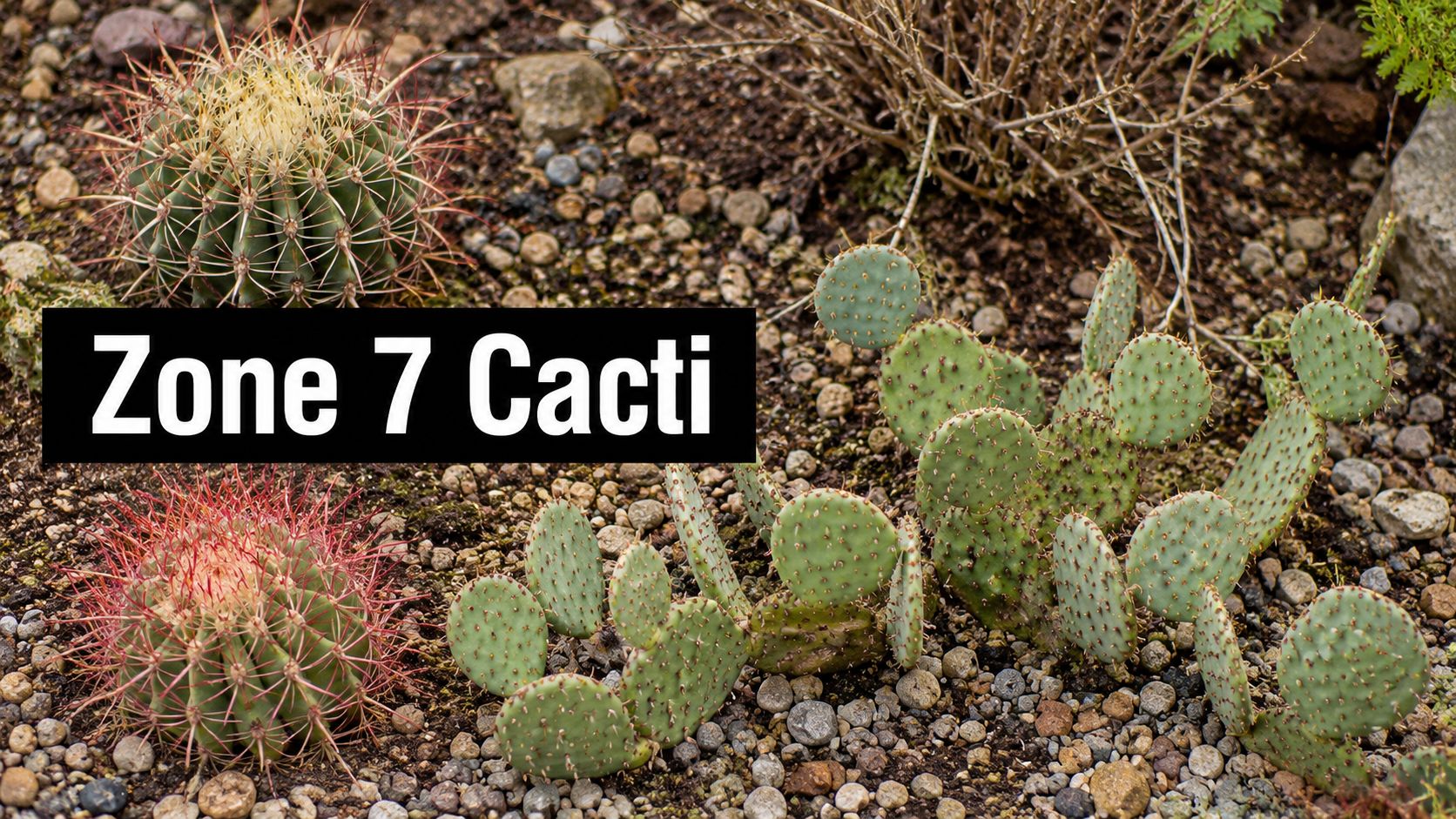
If you want the safest first plant, start here. The Missouri Botanical Garden plant profile for Opuntia humifusa lists it as hardy well below typical Zone 7 winter lows. It stays low, spreads steadily, flowers well, and usually handles winter contraction without drama. In a wet bed, it can still rot. In a lean, raised bed, it is hard to beat. -
Texas Turk's cap cactus (Ferocactus hamatacanthus)
This species gives you a different look from the usual prickly pear pads. It is often listed for warmer zones, so I treat it as a trial plant in Zone 7, not a guaranteed survivor. Give it the hottest, driest pocket you have, preferably with reflected heat and very sharp drainage. If you garden on the colder end of Zone 7, this is a calculated risk. -
Other hardy Opuntia selections
This is still the strongest group for long-term reliability. Species and named selections such as Opuntia phaeacantha, Opuntia polyacantha, and hardy hybrids have a long track record in dry inland gardens. They flatten and wrinkle in winter, which worries beginners, but that shrinkage is part of how they get through cold.
Good bets for a dry, exposed bed
-
Escobaria species
Small escobarias fit where a broad prickly pear would overwhelm the space. The Lady Bird Johnson Wildflower Center notes cover several native Escobaria species from cold, dry regions, which is the kind of background you want to see for Zone 7 use. These plants reward restraint. Too much compost, summer water, or winter moisture usually shortens their life. -
Pediocactus species
Few cacti look more built for a hard dormant season. The trade-off is fussiness. Pediocactus often resent winter wet, humid conditions, and rich soils more than they resent cold itself. They are better for gardeners willing to build a very mineral bed and leave the plants alone. -
Cold-hardy Opuntia hybrids
Good hybrids can combine flower color, pad form, and reliable hardiness. Badly labeled hybrids create confusion fast. Buy these only from growers who test plants outdoors and can tell you what survived in real winter conditions. If they cannot describe the parentage or the site conditions, keep shopping. -
Select cold-tolerant clumping cactus types
Clumping species can look excellent in gravel gardens and between rocks, especially where you want tighter scale. They also trap leaves, ice, and wet debris more easily than open, low pads. That means more cleanup and more attention to placement near the crown.
Shop for proven winter performance, not summer looks.
What to notice before you buy
A healthy hardy cactus should look firm, well-rooted, and properly grown for stress tolerance, not pushed with rich fertilizer. Plants raised too soft in greenhouse conditions often struggle during their first outdoor winter.
Check these points before you bring one home:
- Documented hardiness: Look for a species name, not just "hardy cactus."
- Outdoor trial history: Ask where it has been overwintered successfully.
- Winter habit: Shrinkage, wrinkling, or pad collapse can be normal survival behavior.
- Growth form: Open, low plants usually dry faster after storms than dense clusters.
- Clean crown: Avoid plants packed with dead material around the base.
If you are building your first bed, start with Opuntia humifusa and one or two other hardy opuntias. Get the planting mix right first. A gritty mineral blend matters more than collecting rare species, and a cactus and succulent soil mix guide will help you judge whether your soil is fast enough for winter survival.
Creating the Perfect Cactus Bed
A Zone 7 cactus usually does not die from cold alone. It dies from cold and wet hitting at the same time. That is the bed-design problem to solve.

Start with the dry spot
Pick the place that dries first after winter rain. Full sun helps, but drainage matters more than squeezing in one extra hour of afternoon light. A slight slope is good. A raised berm is better. A spot beside a downspout, lawn edge, or snowmelt path is trouble, even if it looks sunny in July.
Cold hardiness is always a two-part equation. The species has to be genetically hardy enough, and the roots have to stay dry enough to use that hardiness.
Build for fast drainage from top to bottom
The goal is a bed that sheds water quickly and keeps air in the root zone through winter. In practice, that means a mineral-heavy mix, not a rich planting bed. Use coarse sand, crushed granite, pumice, gravel, chicken grit, or expanded shale based on what is cheap and available locally. Avoid fine play sand, peat-heavy bagged soil, and compost-rich blends that stay damp and settle tight.
If you want a reference point for proportions and texture, this cactus and succulent soil mix guide gives a useful starting framework. Then adjust for your own soil. Clay yards usually need a raised bed built above grade. Sandy ground may only need extra gravel and better crown protection.
I do not dig a narrow hole and backfill it with pretty cactus mix. In heavy soil, that creates a bowl that holds water. Build wide. Build high. Let excess water move out of the bed instead of collecting around the roots.
Shape matters as much as soil
Flat beds are risky in a wet winter climate. Give the planting area a crown so water runs off instead of sitting. Even a modest mound changes survival rates because the crown and upper roots dry faster after rain, sleet, and thaw cycles.
Rock can help here if it is used well. A few larger stones can support a berm, reflect heat, and keep pads off wet soil. Too many tight rocks packed around the crown can trap debris and slow drying. That trade-off matters.
What usually works, and what usually fails
Use this as a reality check before you plant:
- Good choices: Raised beds, gravel berms, rocky slopes, south- or west-facing pockets, sites protected from roof runoff
- Risky choices: Level ground in clay soil, mixed borders with regular irrigation, low spots that collect winter moisture
- Common mistakes: Peat-based cactus soil, heavy compost, wood mulch near the crown, small amended holes in otherwise dense ground
If the finished bed looks a little too lean and stony for other garden plants, you are probably close to the right mix for hardy cactus.
Plant high and keep the crown clean
Set each cactus slightly above grade so the crown sheds water. Then top-dress with angular gravel, not bark or shredded mulch. Gravel keeps the base drier, reduces soil splash, and warms faster after cold rain.
Leave space around the plant. Crowded companions, fallen leaves, and winter debris hold moisture where you do not want it. In Zone 7, a clean, raised, fast-draining bed does more for survival than chasing the lowest hardiness rating on the tag.
Winterizing Your Cacti for Survival
A Zone 7 cactus often looks fine after the first hard freeze, then collapses in late winter. That pattern fools a lot of gardeners. Cold gets blamed, but wet roots usually started the damage weeks earlier.
That is the winter equation. Genetics matter, and winter dryness matters just as much. A cactus rated hardy to low temperatures still fails if its crown stays damp and the root zone never dries.
Shut down water before the weather does
By late summer, the goal changes from growth to hardening off. Stop regular irrigation early enough that pads firm up and excess moisture leaves the root zone before cold rains settle in. In my own beds, cacti that enter winter slightly lean and tight handle freezes far better than plants kept lush into fall.
A key difference emerges between established in-ground plants and containers. Beds with sharp drainage can coast into dormancy with little intervention beyond cutting off water. Pots need closer watching because cool, wet potting mix stays wet longer than many gardeners expect.
Fall rain creates a different problem. You cannot stop the rain, but you can keep it from soaking the crown over and over. A simple sheet of clear polycarbonate set high above the plant, open on the sides, can make the difference between a firm spring plant and a rotten one. The cover should block direct precipitation, not trap humid air.
Mulch for drying, not insulation
Organic mulch works against you here. Bark, wood chips, and shredded leaves hold moisture at the base of the plant, collect debris, and slow the drying cycle after every storm.
Use mineral topdressing instead. A layer of angular gravel around the crown keeps pads cleaner, reduces soil splash, and lets the surface dry faster after winter rain. The material matters. Rounded pea gravel rolls and shifts. Crushed rock stays put and leaves more air gaps.
The point is not to keep the soil warm. The point is to keep the crown dry.
Protect from winter wet before you protect from cold
Extra cover makes sense during long wet stretches, for plants in containers, and for species that are borderline hardy in your part of Zone 7. The best protection is overhead, simple, and vented. A cold frame lid propped open, a roof overhang, or a temporary rain shelter works better than wrapping the plant tightly.
Avoid plastic pressed directly against the cactus. Condensation collects fast, especially during freeze and thaw cycles, and that moisture sits exactly where rot starts. Frost cloth can help during a sharp cold snap if it stays off the plant and comes off once temperatures moderate.
For broader seasonal pointers, this guide to winter cactus care is a useful companion read.
A simple winter checklist
- Stop irrigation before fall cold sets in: Let the plant dry down and finish the season firm, not soft.
- Keep the crown clear: Remove fallen leaves, dead annuals, and anything else that holds dampness against the base.
- Use gravel topdressing: Mineral mulch helps the surface dry faster than bark or compost.
- Watch runoff after every storm: Roof drips, plowed snow, and splash from nearby beds can soak a cactus that was otherwise planted well.
- Expect some winter shrinkage: Many hardy cacti shrivel, flatten, or bronze in cold weather and recover once warmth returns.
In Zone 7, a slightly wrinkled cactus with dry roots is usually in better shape than a full, glossy plant sitting in damp soil.
Solving Common Cold Climate Cactus Problems
Most Zone 7 cactus problems come down to diagnosis. If you can read the symptoms correctly, the fix gets a lot clearer.
Crown rot and root rot
Symptom: The base turns soft, dark, or collapsed. Pads detach easily, and the plant may smell sour.
Cause: Winter moisture stayed around the crown or roots too long.
Solution: Remove the plant from wet soil, cut away damaged tissue back to firm material, let healthy sections dry and callus, then replant in a much drier, more mineral bed.
This is the classic failure pattern in cold climates. People blame the freeze. Rot usually started first.
Freeze damage
Symptom: Tissue looks translucent, scarred, or permanently collapsed after a hard cold spell.
Cause: The species wasn't hardy enough for the exposure, or the plant went into winter too hydrated.
Solution: Wait before cutting. Some tissue that looks rough at first will firm up as weather improves. Remove only what stays mushy or dead, and rethink plant choice or fall watering habits.
Winter stress that looks worse than it is
Not every ugly cactus is a dying cactus. Shriveling, flattening, bronzing, and a generally deflated look can be normal winter dormancy behavior in hardy species. If the crown stays firm and dry, patience is often the right move.
Pests and hidden moisture traps
Watch for debris lodged in dense spines or around the crown. Dead leaves, grass clippings, and heavy organic mulch hold dampness in exactly the wrong place. Clean around the base, improve air movement, and keep surrounding plants from shading the cactus too heavily in winter.
Choosing and Buying Healthy Hardy Cacti
Buying well saves time. It also saves a season or two of frustration. A healthy hardy cactus should look firm, rooted, and proportionate to its container. It doesn't need to look lush. In fact, a slightly tougher, more compact plant often adapts better outdoors than one that's been pushed with water and fertilizer.

What to inspect before you commit
Check the crown first. It should be firm, not soft or sunken. Look for clean tissue, solid color for the species, and no signs of blackened spots or mush at the base. Minor cosmetic scarring can be harmless. Active rot is not.
Then look at the overall habit:
- Firm structure: Pads or stems should feel solid, not watery or collapsing
- Clean base: No algae, slime, or dark wet tissue at soil level
- No pest clutter: Watch for insects tucked into areoles and spine clusters
- Rooted, not freshly stuck: A properly established plant handles transplanting better
If you're buying online, seller quality matters almost as much as plant quality. A specialist nursery should identify plants clearly, package them securely, and offer care guidance that matches real growing conditions. This guide on the best place to buy cactus online is a good benchmark for what informed buyers should expect.
If your local conditions are complicated, especially where surrounding site health is also a factor, it can help to look at broader site care through resources like The Green Advantage's plant solutions, which can sharpen your thinking about drainage, plant stress, and long-term site performance.
A quick visual walk-through can help if you're comparing nursery stock and trying to spot quality before ordering:
A final buying note. Don't chase the rarest plant first. Start with proven hardy species, get one winter under your belt, and let your site teach you what it can support. That approach builds a better cactus garden than impulse buying ever will.
If you're ready to put together a real cold-climate cactus planting, browse The Cactus Outlet for healthy cactus and succulent options, then match the plant to a bed built for drainage first. That's the combination that gives a Zone 7 cactus garden its best chance to thrive.